11 Essential Tips for Visiting Hawaiʻi Volcanoes National Park
Visiting Hawaiʻi Volcanoes National Park is an unforgettable experience. These practical tips will help you make the most of your time exploring the home of Kīlauea and Mauna Loa.
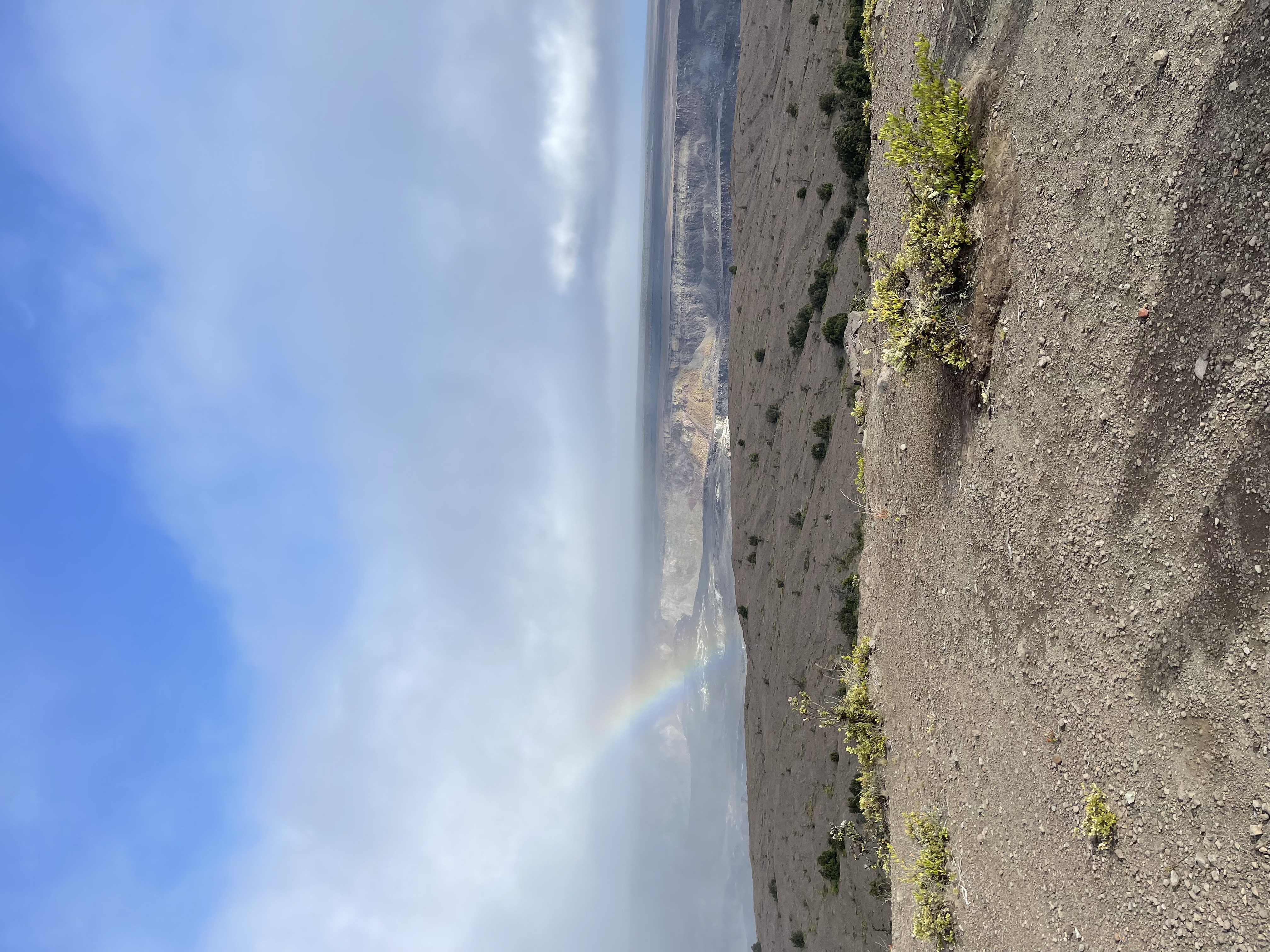
Hawaiʻi Volcanoes National Park is a place of profound transformation, where the Earth is actively re-shaping itself before your eyes. Home to two of the world's most active volcanoes, Kīlauea and Mauna Loa, this UNESCO World Heritage Site offers a dizzying array of landscapes, from steaming craters and lush rainforests to stark, windswept deserts of hardened lava. To make the most of your visit to this dynamic and often unpredictable environment, a little planning goes a long way. These essential tips will help you navigate the park with confidence.
1. Check Current Conditions Before You Go
This is the single most important tip. The park's conditions can change daily, or even hourly. An eruption can start, a trail can close due to high sulfur dioxide (SO₂) levels, or a road can be shut down. Before you even get in the car, check the official National Park Service (NPS) website for the "What's Happening" and "Current Conditions" pages.
For eruption updates, the most reliable source is the Hawaiian Volcano Observatory (HVO), part of the U.S. Geological Survey (USGS). Their website provides daily updates, webcams, and hazard information. Rely on these official sources, not social media rumors.
2. Arrive Early or Stay Late
The park is open 24 hours a day, 7 days a week. The best times to visit are early in the morning (before 9 a.m.) or later in the afternoon (after 4 p.m.). Midday, especially between 10 a.m. and 2 p.m., sees the highest concentration of visitors, leading to crowded viewpoints and full parking lots at popular spots like Kīlauea Iki Overlook and Thurston Lava Tube (Nāhuku).
Staying after sunset offers a unique reward: the glow of lava. When an eruption is active within Halemaʻumaʻu crater, the night sky reflects a mesmerizing, fiery orange. The best viewing is typically from overlooks along the crater rim, such as Uēkahuna and Kīlauea Overlook. Bring a flashlight or headlamp with a red light setting to protect your night vision.
3. Dress in Layers and Prepare for Rain
The summit of Kīlauea sits at 4,000 feet (1,219 meters) elevation. This means weather is often cool, windy, and wet, regardless of conditions at sea level. It's common for a sunny day in Kona to be a foggy, rainy day in the park.
- Base Layer: A t-shirt or light long-sleeve shirt.
- Mid Layer: A fleece or warm sweater.
- Outer Layer: A waterproof and windproof jacket. This is non-negotiable.
- Pants: Long pants are recommended for warmth and protection on trails.
- Footwear: Sturdy, closed-toe walking shoes or hiking boots are essential. The volcanic terrain is uneven and sharp.
Always have rain gear in your car. A passing shower can appear out of nowhere and disappear just as quickly.
4. Seeing Lava: Manage Your Expectations
The vision of molten rock rivers is what draws many to the park, but seeing surface lava flows is rare and depends entirely on the whims of Pele (the Hawaiian deity of volcanoes). Since 2018, eruptions have been confined to the summit caldera of Kīlauea, within Halemaʻumaʻu crater. This means you can often see a glowing lava lake from a distance, but not walk-up flows.
- Check the USGS/HVO website: Before your trip, see if there is an active eruption. If there is, the NPS website will list the designated viewing areas.
- Bring Binoculars: The main lava lake is often viewed from over a mile away. Binoculars will dramatically improve your experience.
- Be Patient: The glow is most dramatic after dark. Find a spot, get comfortable, and let your eyes adjust.
- No Lava? No Problem: Even without a visible eruption, the park is incredible. The scale of the craters, the steaming bluffs, and the vast lava fields are attractions in themselves.
5. Drive the Two Main Roads: Crater Rim & Chain of Craters
The park's primary features are accessible via two main roads. Driving them both gives you a comprehensive overview of the park's diverse ecosystems.
Crater Rim Drive
This road circles the Kīlauea caldera, providing access to the main visitor center, overlooks, and trailheads. A section of the road is closed west of the Steam Vents due to damage from the 2018 eruption, so you'll drive it as two separate out-and-back segments. Highlights include:
- Kīlauea Visitor Center
- Steam Vents and Steaming Bluff
- Kīlauea Iki Overlook
- Thurston Lava Tube (Nāhuku)
Chain of Craters Road
This is a must-do drive. It descends 3,700 feet over 19 miles, from the lush rainforest at the summit to the stark, beautiful coastline where past lava flows have met the sea. Allow at least three hours round-trip, without major stops. There are no services (no food, water, or gas) along this road, so be prepared. Highlights include pit craters, expansive lava fields, and the Hōlei Sea Arch.
6. Hike a Trail (Even a Short One)
To truly experience the park, you need to get out of your car. There are trails for every fitness level.
- Easy: The paved path from the Kīlauea Visitor Center to Uēkahuna is a great start. The 0.5-mile loop through Thurston Lava Tube (Nāhuku) is also a classic, though it gets crowded.
- Moderate: The Kīlauea Iki Trail is arguably the best day hike in the park. This 4-mile loop takes you through rainforest on the crater rim before descending to the floor of the still-steaming crater itself. Walking across the solidified lava lake from the 1959 eruption is a surreal experience.
- Strenuous: For experienced hikers, trails like the Halemaʻumaʻu Trail or parts of the Kaʻū Desert Trail offer solitude and challenging terrain. Always check with rangers before attempting a backcountry hike.
7. Pack Your Own Food and Water
Options for food inside the park are extremely limited. The Volcano House offers a restaurant and lounge with incredible views, but it can be pricey and require reservations. There is a small convenience store at the Volcano gas station near the park entrance, but that's about it.
Your best bet is to pack a picnic lunch and plenty of snacks. Most importantly, bring more water than you think you'll need, especially if you plan on hiking or driving the Chain of Craters Road. There are water bottle filling stations at the visitor center, but none further into the park.
8. Know Your Entrance Fees and Passes
Like most National Parks, Hawaiʻi Volcanoes has an entrance fee.
| Fee Type | Cost (as of late 2023) |
|---|---|
| Private Vehicle Pass | $30 |
| Motorcycle Pass | $25 |
| Individual (Walk/Bike-in) | $15 |
Your pass is valid for 7 days. If you plan to visit multiple National Parks within a year, the "America the Beautiful" annual pass for $80 is an excellent value. Hawaiʻi residents can purchase a Tri-Park Pass for $55, which grants year-long access to Hawaiʻi Volcanoes, Haleakalā, and Puʻuhonua o Hōnaunau. You can pay by credit card at the entrance station.
9. Respect the ʻĀina and Cultural Sites
Hawaiʻi Volcanoes National Park is not just a geological wonder; it is a sacred cultural landscape. Kīlauea is the home of the deity Pele. For Native Hawaiians, the entire area is wahi kapu, a sacred place.
- Stay on Marked Trails: This protects fragile ecosystems and prevents you from accidentally disturbing cultural sites.
- Do Not Build Rock Piles (Ahu): In Hawaiian culture, ahu are sacred constructions built for specific purposes. Building your own is considered disrespectful.
- Do Not Take Rocks or Sand: It is disrespectful and illegal to remove any natural resources from the park. Leave Pele's domain as you found it.
- Behave with Reverence: Speak softly at viewpoints and give space to anyone who may be there for cultural or spiritual practices.
10. Explore the Kahuku Unit
Looking to get off the beaten path? The Kahuku Unit is a separate section of the park located about an hour's drive south of the main entrance, on the slopes of Mauna Loa in the district of Kaʻū. This former ranch land offers a completely different experience with its own network of hiking trails through rolling green pastures and historic lava flows. It's free to enter and is generally open Thursday through Sunday. It's a great option for escaping the summit crowds.
11. Plan Your Broader Itinerary
The park is a cornerstone of any Big Island trip, but it's just one part of what makes the island so special. Whether you're planning a full luxury vacation or a more rugged adventure, consider how your park visit fits into your overall plans. The team at https://highendhawaii.com can offer insights on integrating a park visit with other island activities, from stargazing on Mauna Kea to snorkeling in Kona. Because the park is on the Hilo (east) side of the island, many visitors choose to spend a night or two in Volcano Village or Hilo to explore the area without a long drive from the Kona coast.
Related Reading:
- A Guide to Lava Viewing at Kīlauea: /blog/kilauea-eruption-viewing-guide
- Big Island Stargazing: Mauna Kea vs. Mauna Loa: /blog/big-island-stargazing-mauna-kea
- The Best Hikes on the Big Island: /blog/best-big-island-hikes