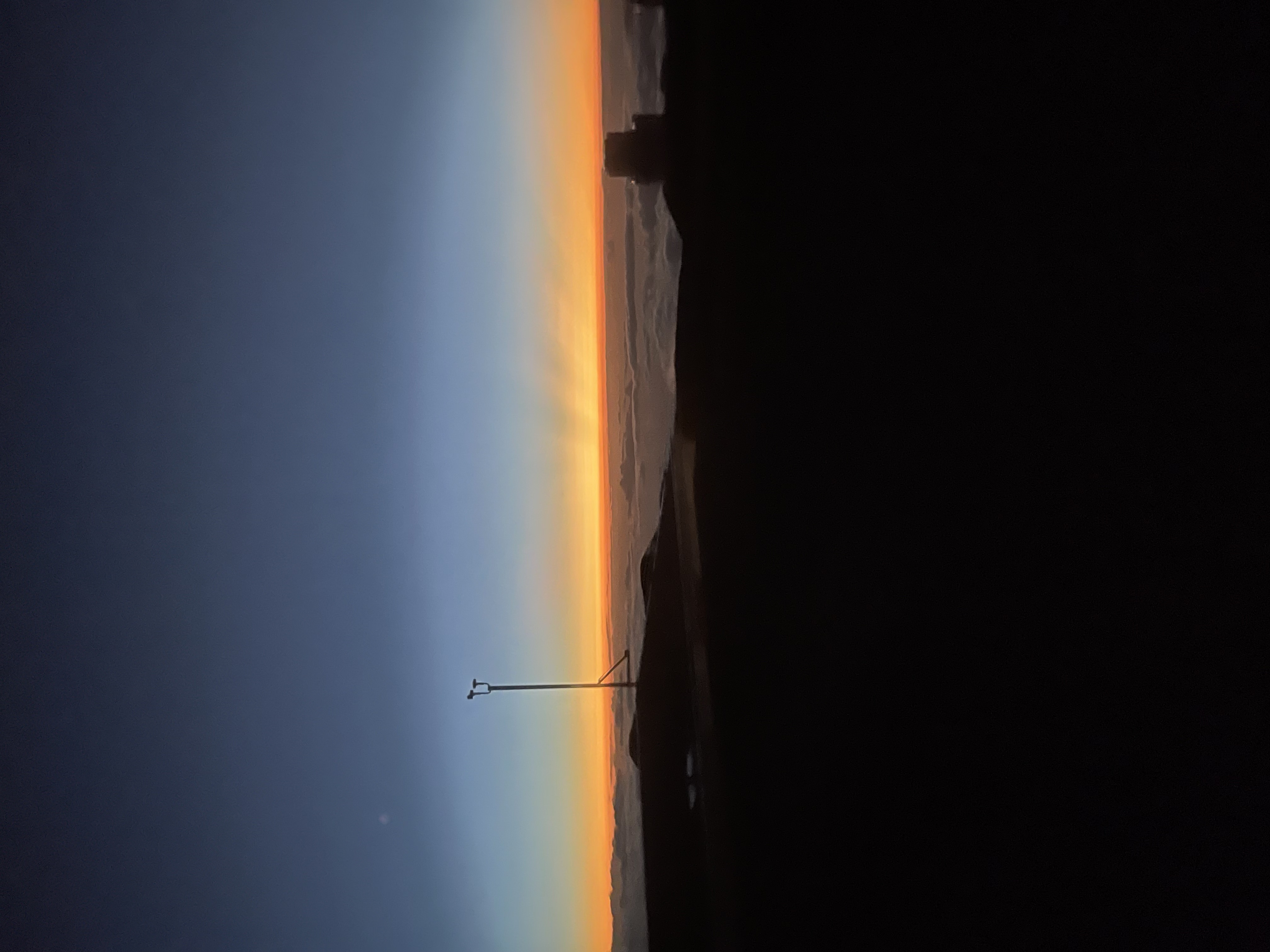
Mauna Kea Stargazing: The Complete Guide for Visitors
Stargazing on Mauna Kea is a bucket-list experience, but it requires careful planning. Here's our guide to seeing the stars from Hawaiʻi's tallest peak, safely and respectfully.
Seeing the night sky from the slopes of Mauna Kea is an unforgettable experience, a view into the cosmos that feels both infinite and intimate. But reaching this sacred and remote place isn't like a trip to the beach. It requires careful planning, a healthy respect for the mountain's cultural importance, and an understanding of the very real risks of high altitude.
This guide provides an honest, practical look at how to experience Mauna Kea stargazing. We'll cover the crucial decision of whether to aim for the summit or the visitor station, discuss tour options, and explain how to visit respectfully and safely.
Why Mauna Kea is a World-Class Stargazing Site
Mauna Kea hosts some of the world's most advanced astronomical observatories for several key reasons, which also make it a spectacular place for the naked eye or a humble pair of binoculars.
- Altitude: The summit rises 13,796 feet (4,205 meters) above sea level, placing it above 40% of Earth's atmosphere and most of the water vapor. This results in a clearer, more stable view of the stars.
- Dry Air: The air is exceptionally dry, which is crucial for infrared and submillimeter astronomy. For the casual stargazer, this means less atmospheric distortion and brilliantly sharp stars.
- Dark Skies: Its mid-ocean location, far from major cities, and strong island-wide lighting ordinances protect it from light pollution. The darkness is profound.
- Laminar Airflow: The gentle, stable airflow over the mountain creates exceptionally clear and non-twinkling views, a quality astronomers call 'good seeing'.
These conditions, established by organizations like the USGS and the University of Hawaiʻi, make the mountain a unique window to the universe.
Summit vs. Visitor Station: The Key Decision
Visitors have two main options for stargazing on Mauna Kea, and the best choice for you depends on your health, budget, and tolerance for adventure.
Maunakea Visitor Information Station (VIS)
Located at a lofty 9,200 feet (2,800 meters), the Onizuka Center for International Astronomy Visitor Information Station is the most accessible and recommended option for the vast majority of visitors.
- Accessibility: Any standard rental car can make the drive to the VIS. The road is paved all the way.
- Acclimatization: Stopping here for at least 30-60 minutes is mandatory for anyone heading to the summit to help acclimatize to the altitude. For many, this is the final destination.
- Stargazing Programs: The VIS has historically hosted free nightly stargazing programs with volunteer astronomers and telescopes. Note: These programs have been intermittent and subject to change. Always check the official Maunakea Visitor Information Station website for the most current status before you go.
- Safety: The altitude is still significant, but far less risky than the summit. It's a safer, more comfortable experience for families, those with health concerns, and casual visitors.
Even without a formal program, you can pull over (safely) near the VIS, turn off your car, and enjoy a breathtaking view of the Milky Way.
The Summit of Mauna Kea
Reaching the summit at 13,796 feet is an extreme undertaking. The air has 40% less oxygen than at sea level. The weather can change in an instant, with freezing temperatures and high winds common even in summer.
- Vehicle Requirement: The final 8 miles of road to the summit are steep, unpaved, and require a true 4-Wheel Drive vehicle with low-range gearing. All-Wheel Drive (AWD) vehicles are not sufficient and are not permitted.
- Rental Car Prohibitions: Virtually all Big Island rental car agreements explicitly prohibit driving on the Mauna Kea summit road. Driving here violates your contract and means you are liable for all damages and towing costs, which can be thousands of dollars.
- Altitude Sickness: Acute Mountain Sickness (AMS) is a serious risk. The State of Hawaiʻi and NPS strongly advise against pregnant women, children under 13, and individuals with heart or respiratory conditions from traveling to the summit. Scuba diving within 24 hours is also a contraindication.
For these reasons, the only practical and safe way for most visitors to reach the summit for sunset and stargazing is by taking a guided tour.
Mauna Kea Stargazing Tours: Are They Worth It?
For most visitors, especially those wanting to experience the summit, the answer is a resounding yes. While not cheap, tours handle all the logistics and safety concerns.
Pros of a Guided Tour:
- Transportation: They use proper 4WD vans or vehicles, navigating the difficult summit road safely.
- Expertise: Guides are knowledgeable about astronomy, geology, and the cultural history of the mountain. They point out constellations and celestial objects you might otherwise miss.
- Equipment: Tours provide heavy-duty parkas, gloves, and often hot beverages. Many bring along powerful telescopes for guest use.
- Safety: Reputable tour operators are trained to recognize and respond to altitude sickness. They handle the driving so you can focus on the experience.
- Dinner & Acclimatization: Most tours include a dinner stop at a lower elevation to help you acclimatize properly before ascending.
Cons of a Guided Tour:
- Cost: Tours are a significant expense, often running several hundred dollars per person.
- Schedule: You're on their timeline. You can't stay longer if you wish, or leave early if you're cold.
Given the vehicle restrictions and safety risks, a tour is the most responsible way to visit the summit. Some tours focus on a summit sunset followed by stargazing at a lower elevation, while others conduct their entire stargazing program near the VIS. Check itineraries carefully.
Self-Driving to Mauna Kea
If you decide to drive yourself, you are almost certainly limited to the Visitor Information Station at 9,200 feet, which is still a fantastic experience.
- Vehicle: A standard 2WD car is sufficient for the paved road to the VIS.
- Fuel: Fill up your gas tank in Hilo, Kona, or Waikoloa. There are no services on Saddle Road or Mauna Kea.
- Timing: Leave the coast with plenty of daylight. The drive to the VIS takes about 1-1.5 hours from most major towns. Aim to arrive before sunset to find a parking spot and get settled.
- Supplies: Bring more than you think you need.
- Layers: Warm jackets, long pants, closed-toe shoes, beanies, and gloves. Temperatures drop into the 30s or 40s (°F) at the VIS.
- Food & Water: Bring plenty of water to stay hydrated (it helps with altitude) and snacks or a picnic dinner.
- Flashlights: A red-light flashlight is essential to preserve your night vision and not disturb others. You can cover a regular flashlight with red cellophane.
Always drive slowly and carefully, especially after dark. The roads are unlit, and wild animals can be present.
Cultural Significance and Kuleana (Responsibility)
Mauna Kea is a sacred place in Hawaiian culture, considered the realm of the gods and the home of deities like Poliʻahu, the goddess of snow. It is a place of deep cultural and spiritual importance, and visitors have a kuleana (responsibility) to treat it with the utmost respect.
- Stay on Marked Paths: Do not wander off trails or roads. The landscape is fragile, and some areas are sacred shrines.
- Be Quiet and Respectful: This is a place of reverence, not a party. Keep your voice low. The summit is a place of silence.
- Pack It In, Pack It Out: Leave no trace. Take all of your trash with you. There are limited facilities.
- Commercial Activity: Setting up your own commercial tour or large-scale event is prohibited.
Visiting Mauna Kea is a privilege. Approaching it with a sense of humility and respect enhances the experience for everyone and honors the host culture. Learn more about how to be a responsible traveler at the official Big Island tourism site.
Related Reading
- Stargazing at the Volcano: A Guide to the Night Sky in Hawaiʻi Volcanoes National Park
/blog/volcano-stargazing-guide - The Best Hikes on the Big Island
/blog/best-big-island-hikes - 7-Day Big Island Itinerary: Volcanoes, Beaches, and Stars
/blog/big-island-7-day-itinerary