Big Island Climate Zones: A Guide to Hawaiʻi's Microclimates
Most places on earth have one or two climate zones. The Big Island of Hawaiʻi has a staggering ten, creating a world of microclimates to explore on a single island.
Driving across the Big Island of Hawaiʻi can feel like teleporting across continents. In a single day, you can go from a sun-drenched desert coast to a misty rainforest, then ascend through cool, temperate uplands to a freezing, alpine tundra. This incredible diversity is due to the island's collection of microclimates—it hosts 10 of the world's 13 major climate zones.
For visitors, this means one thing: be prepared for anything. Understanding the island's distinct weather patterns isn't just a fun geographical fact; it's the key to packing smart, planning your itinerary, and getting the most out of your trip. This guide will walk you through the what, why, and where of the Big Island's remarkable climate zones.
Why Does the Big Island Have So Many Climates?
Two massive forces work in concert to create the Big Island's weather tapestry: towering volcanoes and consistent trade winds.
-
The Volcanoes: The sheer scale of Mauna Kea and Mauna Loa, both rising over 13,000 feet from sea level, is the primary driver. These massive shield volcanoes create a physical barrier that dramatically alters weather patterns across the island.
-
The Trade Winds: Hawaiʻi lies in the path of north-easterly trade winds. These winds carry moisture-laden air from the Pacific Ocean. When this air hits the windward (eastern) slopes of the volcanoes, it's forced to rise, cool, and condense, dropping immense amounts of rain on areas like Hilo and the Hāmākua Coast.
-
The Rain Shadow: As the now-dry air passes over the volcanic peaks and descends on the leeward (western) side, it warms up and dries out. This creates a vast "rain shadow," resulting in the arid, sunny conditions found on the Kona and Kohala coasts. It's why you can have one of the wettest cities in the United States (Hilo) and a near-desert on the same island, just 60 miles apart.
Elevation is the final piece of the puzzle. For every 1,000 feet you ascend, the temperature drops by about 3.5°F (6.5°C). This gradient creates everything from the temperate ranchlands of Waimea to the polar tundra at the summits.
The Köppen Climate Classification
Scientists use the Köppen-Geiger climate classification system to categorize the world's climates. According to the State of Hawaiʻi, the Big Island contains ten of these distinct zones, a variety unmatched by any area of similar size on Earth. These range from Tropical Continuous Wet (like a rainforest) to Periglacial (like an arctic zone).
While we won't detail all ten technical zones, we'll group them into practical regions you'll experience as a traveler. Knowing which zone you're heading to will help you know what to wear and what to expect.
A Tour Through the Big Island's Major Climate Zones
Let's explore the island's primary climate regions, from the warm shores to the icy peaks.
The Coasts: Hot & Dry to Hot & Wet
The most populated and visited areas of the Big Island are along its coasts, which are split into two dramatically different climate types.
Hot Semi-Desert (Leeward/West): Kailua-Kona & The Kohala Coast
This is the Hawaiʻi you see on postcards. The western side of the island sits firmly in the volcanoes' rain shadow, receiving as little as 10 inches of rain per year in some spots.
- Weather: Expect abundant sunshine, high temperatures (80s°F/27-32°C year-round), and low humidity. It's the driest and sunniest part of the island.
- What to Wear: Swimsuits, shorts, t-shirts, sun hats, sunglasses, and reef-safe sunscreen. A light sweater might be needed for evenings, but it's generally very warm.
- Activities: Snorkeling, diving, sunbathing, swimming with manta rays, and enjoying spectacular sunsets. Most of the island's major resorts are located here for a reason.
Tropical Continuously Wet (Windward/East): Hilo, Puna & The Hāmākua Coast
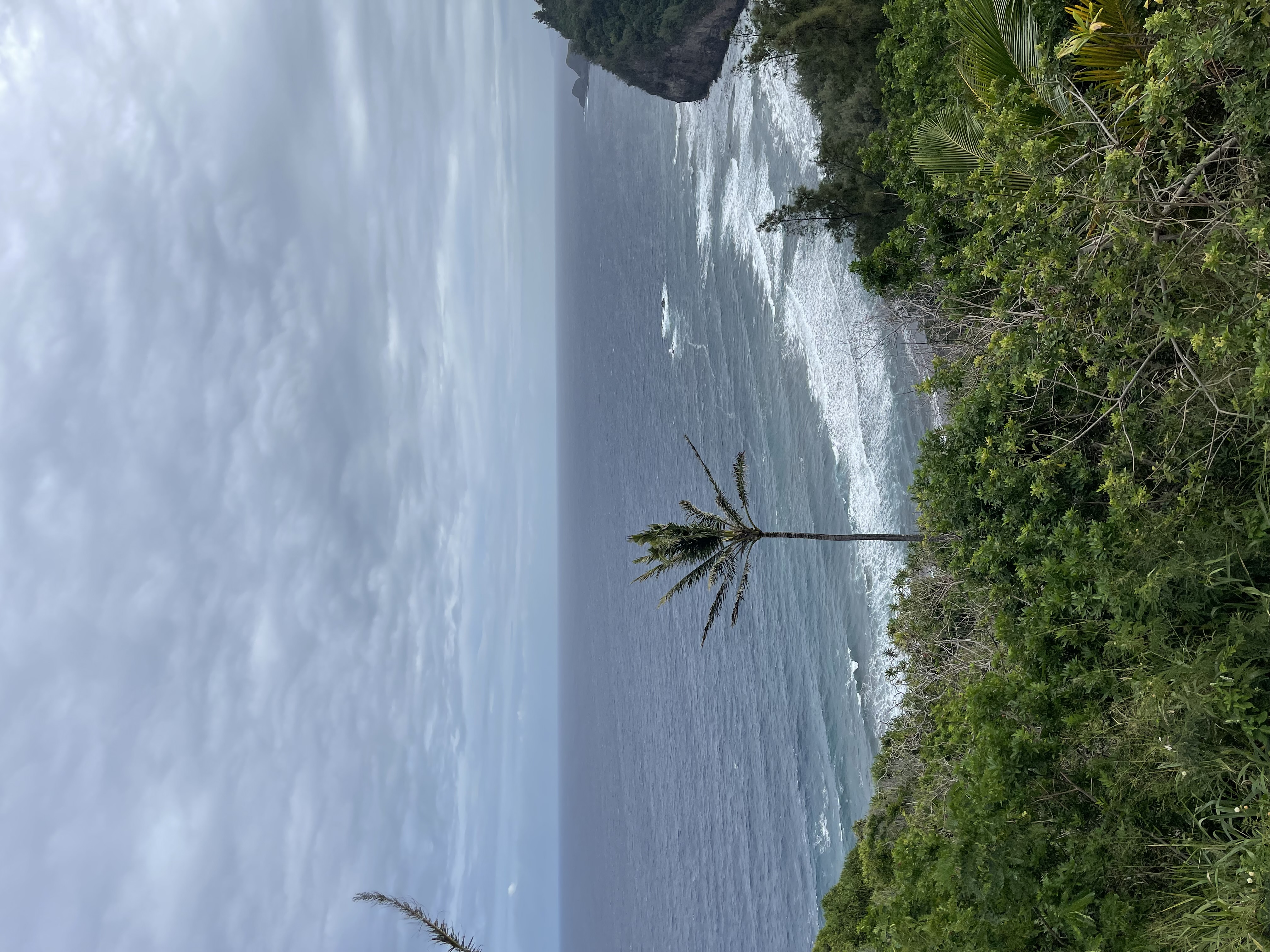
Cross to the east side, and you're in a different world. Hilo is famous for its rainfall, which averages over 130 inches annually. This constant moisture fuels a landscape of lush rainforests, cascading waterfalls, and vibrant flora.
- Weather: Warm and very humid, with frequent rain showers. The rain is often brief and passing, and it's rare for it to rain all day, but you should always be prepared for a downpour. Temperatures are similar to the Kona side but feel warmer due to the humidity.
- What to Wear: Light, breathable clothing that dries quickly. A waterproof rain jacket is essential. Bring sturdy, waterproof footwear for exploring muddy trails.
- Activities: Chasing waterfalls (ʻAkaka Falls, Rainbow Falls), exploring Hawaiʻi Volcanoes National Park, visiting botanical gardens, and driving the scenic Hāmākua Heritage Corridor.
The Uplands: Temperate & Mild
As you drive inland and gain elevation, the tropical heat gives way to cooler, temperate climates.
Temperate Zones: Waimea & Kaʻū
Waimea is a perfect example of a microclimate crossroads. The town itself is split by the rain line. The "wet side" is green and misty, receiving moisture from the trade winds that funnel between the mountains. The "dry side" is golden ranchland, heading toward the desert-like Kohala Coast. Temperatures here are mild and pleasant, often in the 60s and 70s°F (15-25°C).
The district of Kaʻū in the south also has significant temperate zones, with rolling hills, ranches, and the famous Kaʻū coffee farms. It’s generally cooler and breezier than the coast.
- Weather: Spring-like and comfortable. Can be windy, especially in Waimea. Mornings are often clear, with clouds and mist rolling in during the afternoon.
- What to Wear: Jeans, long-sleeved shirts, and a light jacket or fleece. It’s noticeably cooler than the coast, especially in the evenings.
- Activities: Horseback riding, visiting farmers' markets, coffee tasting, and simply enjoying the pastoral scenery.
The Summits: Cool, Alpine, and Polar
The highest elevations on the Big Island are home to climates found nowhere else in the tropics.
Polar Tundra & Periglacial: Mauna Kea & Mauna Loa Summits
Above 10,000 feet, you enter a true alpine environment. The air is thin, the sun is intense, and the landscape is a stark, red-rock desert reminiscent of Mars. At the summits of Mauna Kea and Mauna Loa, you are in a polar tundra climate zone.
According to the U.S. Geological Survey (USGS), temperatures at the summit regularly drop below freezing at night, and snow is common during the winter months. The weather can change in an instant, with high winds and sudden cloud cover creating dangerous conditions.
- Weather: Extreme. Temperatures can swing from 60°F (15°C) in the sun to below 32°F (0°C) when a cloud passes. The altitude can cause sickness, and the UV radiation is dangerously high.
- What to Wear: Winter clothing is not an exaggeration. You need a warm, insulated jacket, long pants, closed-toe shoes, a beanie, and gloves. Layers are critical.
- Activities: Stargazing is the primary activity, as the dry, clear air makes for some of the best astronomical viewing on Earth. Summit visits for sunset or sunrise are also popular, but require a 4WD vehicle and acclimatization at the Visitor Information Station (at 9,200 feet).
What This Means for Your Trip
Understanding the climate zones is your superpower for planning a successful Big Island vacation. For those planning a comprehensive tour, consulting with a specialized travel service like High End Hawaiʻi can help you craft an itinerary that makes the most of the island's diverse environments.
Packing for All Seasons
Packing for the Big Island means packing for multiple destinations in one. Even if you're staying on the sunny Kona coast, you'll likely take a day trip that requires different attire.
Your essentials should include:
- Beachwear: Swimsuits, cover-ups, sun hat, sunglasses.
- Sun Protection: High-SPF, reef-safe sunscreen is a must.
- Day-to-Day Wear: Shorts, t-shirts, comfortable walking shoes or sandals.
- Rain Gear: A lightweight, waterproof rain jacket. An umbrella can also be useful, especially in Hilo.
- Warm Layers: At least one fleece, sweatshirt, or insulated jacket. Long pants (jeans or hiking pants) are also essential.
- Winter Gear (for summits): If you plan to visit the summit of Mauna Kea, you need a proper winter coat, gloves, and a hat.
Planning Your Itinerary
- Stay West, Play East: Many visitors choose to stay in the sunny resorts on the leeward side and take day trips to the windward side's rainforests and volcanoes. This gives you a reliable home base for sunshine and swimming.
- Check the Forecast: Use reliable sources like the National Weather Service and the Mauna Kea Weather Center for specific locations. Don't assume the weather in Kona will be the same in Volcano.
- Go High in the Morning: For Hawaiʻi Volcanoes National Park and Mauna Kea, mornings are typically clearer. Clouds and rain often build up in the afternoon, especially at elevation.
- Embrace the Rain: Don't let a shower on the east side stop you. The rain is what makes it so beautiful! A waterfall is often more spectacular during or just after a rainfall.
Related Articles