What to Pack for the Big Island: Your Essential Hawaiʻi List
Packing for the Big Island can be tricky, with its diverse climates from sunny beaches to snowy peaks. We break down the absolute essentials so you arrive prepared for every adventure.
Packing for the Big Island of Hawaiʻi isn't like packing for other tropical destinations. Home to eight of the world's thirteen climate zones, you can go from sunbathing on a black sand beach to shivering near a snowy summit in a single day. Thoughtful packing is the key to a comfortable and stress-free trip, ensuring you're ready for every microclimate and adventure the island throws your way.
This guide ditches the fluff and focuses on what you actually need. We'll cover the essentials for beach lounging, volcano expeditions, rainforest hikes, and cool evenings in Waimea, so you can spend less time worrying about your suitcase and more time soaking in the magic of Hawaiʻi.
The Absolute Essentials
These are the non-negotiables. Triple-check for these items before you leave for the airport. Forgetting any of them can range from a minor inconvenience to a trip-ruining disaster.
- Government-Issued ID / Passport: A must for air travel and checking into your accommodations.
- Wallet with Credit Cards/Cash: While cards are widely accepted, having some cash on hand is useful for farmers markets, small food stalls, and tips.
- Phone and Portable Charger: Your phone is your map, camera, and connection. A portable power bank is a lifesaver on long days exploring remote areas like Hawaiʻi Volcanoes National Park where cell service can be spotty and you're using GPS heavily.
- Prescription Medications: Carry any necessary medications in their original containers in your carry-on bag.
- Reusable Water Bottle: Staying hydrated is critical in Hawaiʻi's sun. You'll find refill stations at airports and many parks. It’s better for the environment and your wallet.
- Flight/Hotel/Rental Car Confirmations: Have digital or paper copies easily accessible.
Clothing for Sun, Sand, and Sea
The Kona and Kohala coasts are famous for their sun-drenched beaches. You'll likely spend a good portion of your time near the water, so pack accordingly. The vibe is casual, so comfort is king.
- Swimsuits (2-3): Bringing a few means you'll always have a dry one ready to go.
- Rash Guard: The Hawaiian sun is intense. A long-sleeved rash guard offers excellent UV protection while snorkeling or swimming, reducing your reliance on sunscreen and protecting the reefs.
- Cover-Up or Sarong: Perfect for walking from the beach to a cafe or protecting your skin from the midday sun.
- Shorts and T-shirts/Tank Tops: These will be your daily uniform. Pack lightweight, breathable fabrics like cotton or linen.
- Sun Hat: A wide-brimmed hat is essential for protecting your face and neck.
- Sunglasses: Polarized lenses are a great choice for cutting glare on the water.
Gear for Hiking and Volcanoes
The Big Island is an adventurer's paradise, with stark lava fields, lush rainforests, and dramatic coastal trails. The right gear makes these explorations safer and more enjoyable.
Footwear: The Most Important Choice
If there's one area to invest in, it's your footwear. The island's terrain is no joke.
- Sturdy Hiking Shoes or Boots: Essential for Hawaiʻi Volcanoes National Park, Pololū Valley, or any trail on uneven lava rock. Make sure they are well broken-in before your trip. Closed-toe shoes are required for many volcano-related tours and for safety on the lava fields.
- Water Shoes or Strap-in Sandals: Ideal for rocky beach entries (like at Hoʻokena or Kahaluʻu Beach Park) and exploring waterfalls where you might get wet.
- "Slippers" (Flip-Flops): The go-to footwear for locals. Perfect for beaches, quick store runs, and kicking back. You'll live in these.
Clothing and Packs
- Daypack: A comfortable backpack is necessary for carrying water, snacks, sunscreen, and layers on your daily excursions.
- Light Rain Jacket: A waterproof or water-resistant shell is a must, especially if you're visiting the Hilo or Hāmākua Coast side, where rain showers are common and can appear suddenly. It also doubles as a windbreaker.
- Durable Pants or Leggings: While shorts are fine for many coastal trails, long pants are highly recommended for hiking in volcanic areas to protect your legs from sharp lava rock and abrasive grasses.
Dressing for the Cold: Mauna Kea & Mauna Loa
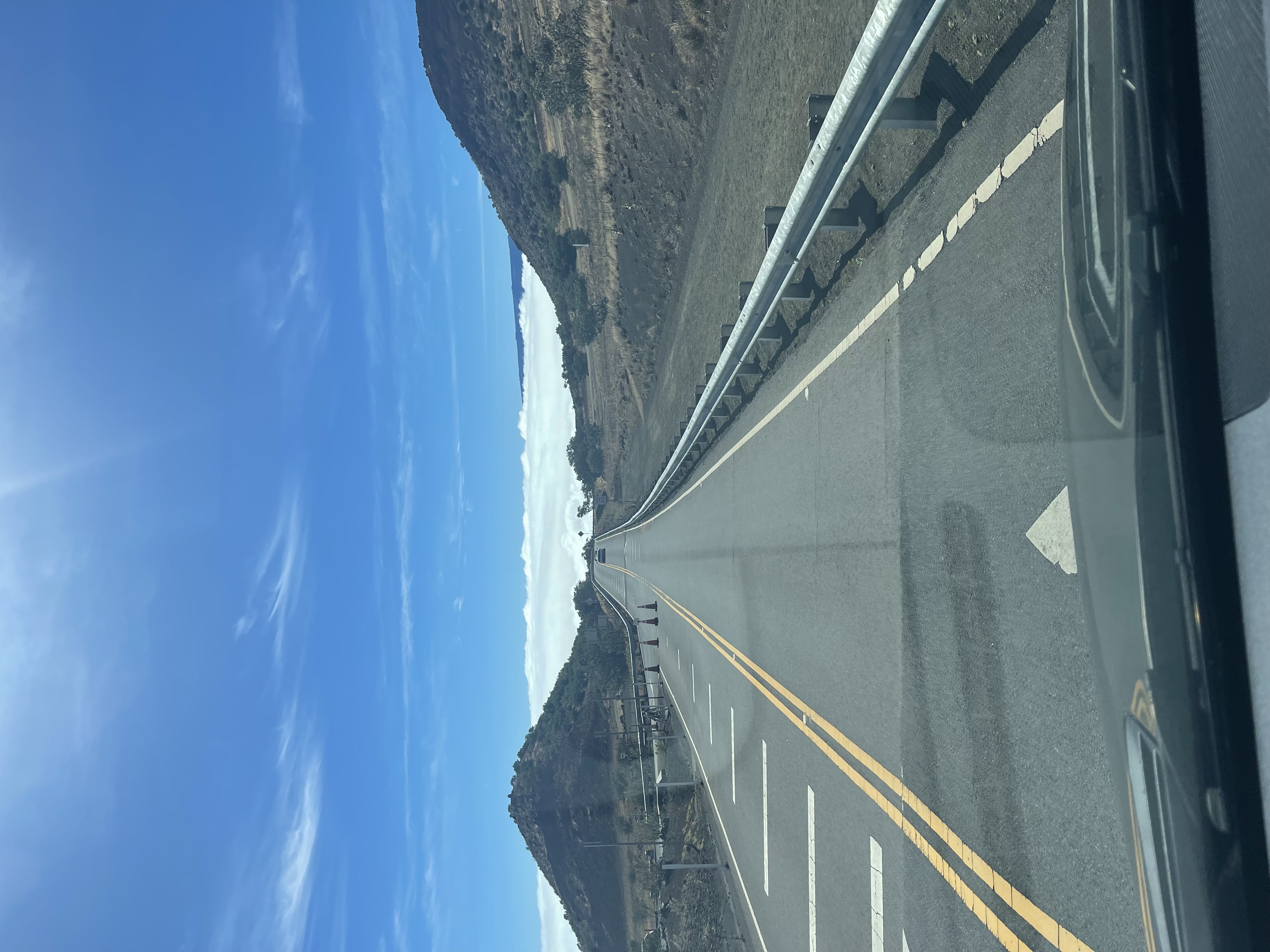
This is what surprises most visitors. The summits of Mauna Kea and Mauna Loa are high-altitude alpine deserts. Temperatures regularly drop below freezing, and snow is common in the winter. As the USGS notes, these are serious mountains demanding respect and preparation.
If you plan to visit for sunset or stargazing, you absolutely must pack warm clothing. Tour companies often provide parkas, but if you're driving to the Visitor Information Station at 9,200 feet yourself, you are on your own. Do not underestimate the cold.
- Warm Insulated Jacket (Puffer or Fleece)
- Long Pants (jeans or hiking pants)
- Beanie or Warm Hat
- Gloves
- Closed-toe Shoes and Warm Socks
Health, Safety, and Toiletries
Protecting your skin and the environment is a shared responsibility, or kuleana, in Hawaiʻi.
- Reef-Safe Sunscreen: This is critical. Hawaiʻi has banned the sale of sunscreens containing oxybenzone and octinoxate to protect its fragile coral reefs. Look for mineral-based sunscreens with zinc oxide or titanium dioxide. Please apply it long before you enter the water.
- Insect Repellent: Mosquitoes can be present, especially in wet, jungly areas on the windward side. A must for rainforest hikes.
- Basic First-Aid Kit: Band-aids, antiseptic wipes, pain relievers, and moleskin for blisters. Scrapes from lava rock are common.
- After-Sun Lotion or Aloe Vera: In case you get a little too much sun.
- Seasickness Medication: If you're planning a boat tour for snorkeling or whale watching and are prone to motion sickness.
Optional (But Nice to Have) Items
- Waterproof Dry Bag: Great for boat tours or beach days to protect your electronics and valuables.
- Binoculars: Excellent for spotting distant whales (in season), dolphins, or the rare ʻio (Hawaiian hawk).
- Camera or GoPro: To capture the island's stunning beauty, from underwater life to volcanic steam vents.
- A Good Book: For relaxing on the lānai or the beach.
- Formal Wear? Not so much.: Big Island dining is famously casual. "Aloha-wear" (a nice aloha shirt for men, a sundress for women) is as fancy as it usually gets, even at high-end resorts. When planning your trip, you can browse top-tier accommodations and experiences at sites like Highendhawaii.com to get a feel for the resort-casual style.
What to Leave at Home
- Heavy Formalwear: You won't need it.
- High Heels: The terrain is uneven almost everywhere. Stick to wedges or dressy flats if you need something nicer.
- Excess Valuables: Keep jewelry minimal to avoid loss or theft.
- Non-Reef-Safe Sunscreen: Respect the ʻāina (land) and the kai (sea). Leave it behind.
- Single-Use Plastics: Embrace the spirit of Mālama ʻĀina (caring for the land) by bringing reusable items.