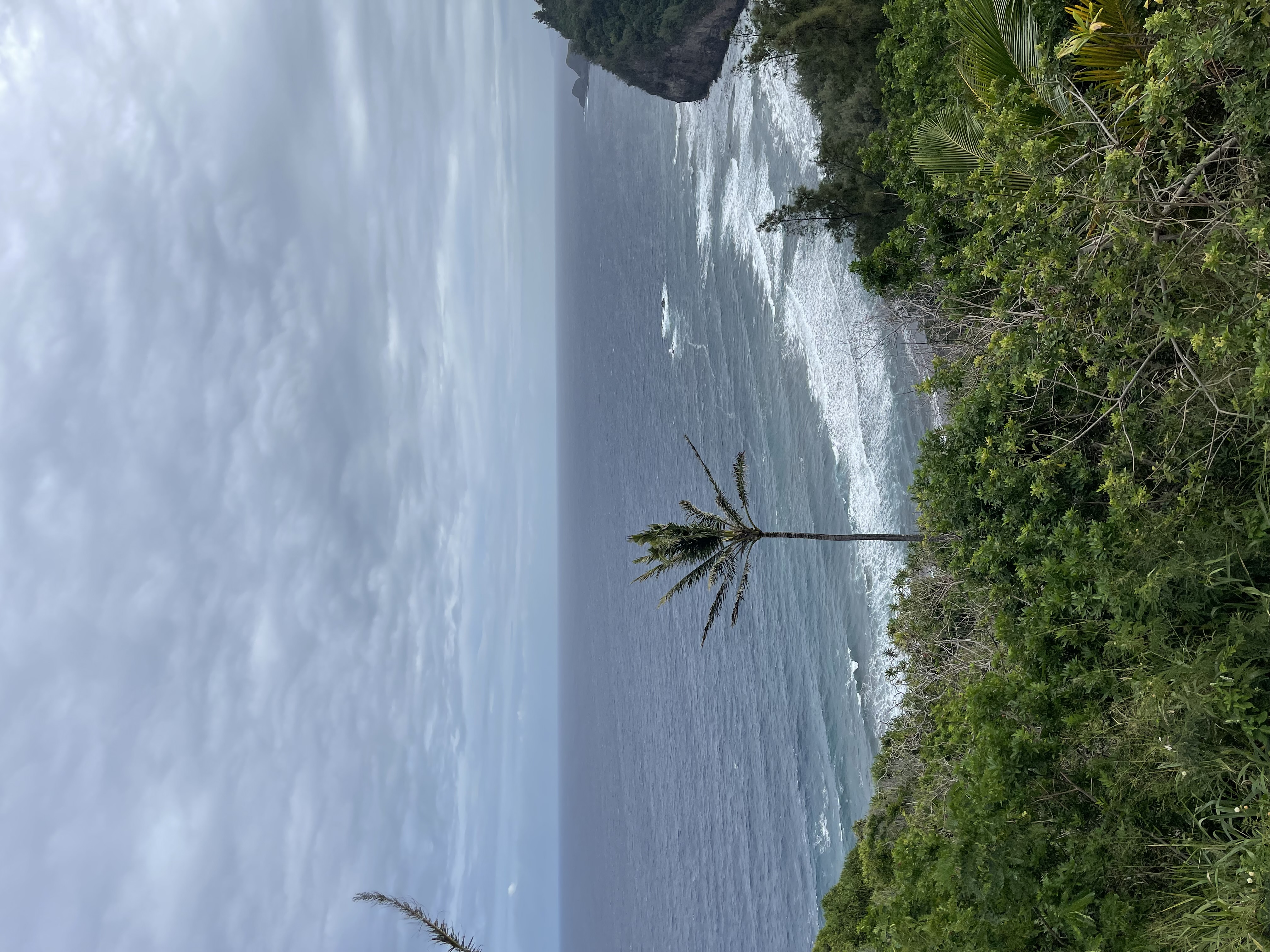
The Best Time to Visit the Big Island of Hawaiʻi (Month by Month)
Wondering when to visit the Big Island? While there’s no bad time to come, the “best” time depends on your priorities. We break down weather, crowds, and costs for every season.
Deciding when to visit the Big Island of Hawaiʻi can feel overwhelming, but the simple truth is there's no truly bad time to be here. The weather is warm year-round, and activities abound in every season. The “best” time really depends on what you value most: perfect weather, lower prices, fewer people, or specific natural events like whale migrations.
This guide breaks down everything you need to know, month by month, to help you choose the perfect time for your trip to Hawaiʻi Island.
The Short Answer: When is the Best Time to Visit?
For the best combination of great weather, fewer crowds, and lower prices, the sweet spots are the shoulder seasons:
- Spring (April to early June): The winter rains have subsided, the landscape is lush and green, and the summer crowds haven't yet arrived. Temperatures are perfect for both beach days and hiking.
- Fall (September to November): Summer heat and humidity fade, ocean temperatures are at their peak, and it's generally quiet until the Thanksgiving holiday week. This is an excellent time for water activities.
If your schedule is fixed, don't worry. The busiest times—mid-December through March and June through August—are popular for a reason, offering excellent weather and a vibrant atmosphere, albeit with higher costs.
A Look at Hawaiʻi's Two Seasons
Hawaiʻi doesn't have four distinct seasons like the mainland. Instead, we have two: a dry season (kau) and a wet season (hoʻoilo).
- Kau (Dry Season, approximately April to October): This is the Hawaiian summer. It's warmer, sunnier, and more humid, with average daytime temperatures in Kailua-Kona hovering in the mid-80s F (around 29°C). Rain is less frequent, though brief afternoon showers are always possible, especially on the Hilo side.
- Hoʻoilo (Wet Season, approximately November to March): This is the Hawaiian winter. It's slightly cooler and wetter, with Kona's daytime highs in the low-80s F (around 27°C). While you'll still have plenty of sunshine, especially on the leeward (Kona) coast, this period sees more potential for widespread, rainy weather systems. This is also the season for large surf on north-facing shores and the peak of whale watching season.
Month-by-Month Guide to the Big Island
Every month offers a unique experience. Here’s what you can expect throughout the year.
January
- Weather: Cooler temperatures and a mix of sun and rain. Excellent conditions on the Kona-Kohala Coast. Snow is often visible on the summits of Mauna Kea and Mauna Loa.
- Crowds & Prices: Very high at the beginning of the month, tapering off after the New Year holiday. It's a popular time for visitors escaping mainland winters.
- What to See & Do: Peak whale watching season begins. The surf is up on northern shores, drawing professional surfers. It's a great time for stargazing on Mauna Kea, with crisp winter air.
February
- Weather: Similar to January, with a good chance of rain but plenty of sunny days on the leeward side. Water temperatures are at their coolest, but still comfortable for swimming.
- Crowds & Prices: High. It's one of the busiest months for tourism, so book flights, cars, and lodging well in advance.
- What to See & Do: Whale watching is prime. This is one of the best months to see the humpback whales that migrate here to breed and calve.
March
- Weather: The transition toward spring begins. Expect a mix of sunny days and passing showers. The windward side (Hilo) remains quite wet.
- Crowds & Prices: High, especially during weeks that coincide with Spring Break for schools and universities across the U.S.
- What to See & Do: Whale watching season continues to be fantastic. Wildflowers begin to bloom in drier, lower elevations.
April
- Weather: Beautiful. Spring arrives with sunnier skies and less rain. The island is exceptionally green from the winter moisture.
- Crowds & Prices: Crowds and prices drop significantly after Spring Break, making this a fantastic shoulder-season month.
- What to See & Do: The world-renowned Merrie Monarch Festival, a celebration of hula and Hawaiian culture, takes place in Hilo. If you plan to visit, book Hilo accommodations a year in advance.
May
- Weather: Consistently sunny and warm. May is one of the best months for weather across the entire island.
- Crowds & Prices: Low. This is arguably the best month to visit for travelers seeking quiet beaches and open trails without paying peak-season prices.
- What to See & Do: Perfect conditions for snorkeling, diving, and hiking. The ocean on the Kona coast is typically very calm.
June
- Weather: Summer arrives. Expect warm, sunny, and increasingly humid days. Ocean temperatures are climbing and usually very calm.
- Crowds & Prices: Crowds and prices begin to increase as schools let out for the summer.
- What to See & Do: King Kamehameha Day on June 11th features parades and cultural festivities, especially in North Kohala, his birthplace.
July
- Weather: Hot, humid, and sunny—classic summer weather. Ocean conditions are ideal for swimming and snorkeling.
- Crowds & Prices: Peak summer season. Expect resorts to be busy and prices to be high. The Fourth of July brings fireworks displays to Kailua-Kona and Hilo.
- What to See & Do: Kīlauea's activity is always unpredictable, but clear summer nights offer great opportunities for lava viewing if an eruption is happening within Hawaiʻi Volcanoes National Park. Always check the USGS website for the latest status.
August
- Weather: Typically the hottest and most humid month of the year. Ocean temperatures are at their peak. Hurricane season is active in the Pacific, but direct hits on the Big Island are historically rare.
- Crowds & Prices: Still very busy until the last two weeks of the month, when families head home for the new school year.
- What to See & Do: The calm, warm water is perfect for learning to surf or taking a manta ray night snorkel tour.
September
- Weather: Still hot, but humidity begins to lessen slightly. Ocean water is delightfully warm. This is the heart of the fall shoulder season.
- Crowds & Prices: This is one of the least crowded and most affordable months to visit.
- What to See & Do: A great time for a road trip, with less traffic on the roads. Explore the scenic Hamakua Coast or the remote beauty of Kaʻū.
October
- Weather: The transition to the wetter winter season begins, but it's often still very pleasant. You might see more afternoon showers.
- Crowds & Prices: Generally low, with one major exception: the Ironman World Championship in Kailua-Kona. During race week, Kona is extremely crowded and prices for lodging and cars skyrocket.
- What to See & Do: Outside of the Ironman buzz in Kona, the island is quiet. It's a good time for foodies to visit during the Hawaiʻi Food & Wine Festival.
November
- Weather: The official start of the wet season (hoʻoilo). Expect a higher chance of rain, but still plenty of sunshine between showers, especially on the Kona side.
- Crowds & Prices: Low until Thanksgiving week, when it gets very busy. If you can travel in early November, you'll find great deals.
- What to See & Do: The first humpback whales of the season may be spotted. It's a good time to visit Hawaiʻi Volcanoes National Park with fewer crowds.
December
- Weather: A classic winter month—cooler, with a mix of sun and rain. Big surf returns to the north shores, and snow may cap Mauna Kea.
- Crowds & Prices: The first half of the month is relatively quiet. From the week before Christmas through New Year's, the island experiences its absolute peak in visitors and prices.
- What to See & Do: Holiday lights and festivities pop up in towns around the island. Early whale watching tours may be available.
The Best Time to Visit for...
- ### Best Weather: April, May, September, and October offer the most reliable combination of sunshine, comfortable temperatures, and less rain across the island.
- ### Lowest Prices & Fewer Crowds: The shoulder seasons are your friend. Visit in late April/May or September/October/early November for the best value and a more relaxed experience.
- ### Snorkeling and Swimming: Summer (June-August) offers the warmest and calmest ocean conditions, especially on the Kona and Kohala coasts.
- ### Whale Watching: The peak season is January through March. Book a tour from a Kohala Coast harbor for your best chance to see these magnificent creatures.
- ### Volcano Viewing: Any time of year. Volcano activity at Kīlauea is not seasonal. However, the drier summer and shoulder seasons may offer clearer skies for viewing. According to the National Park Service (NPS), weather at the summit is variable year-round.
- ### Stargazing: Winter offers the clearest, driest air at the high elevation of Mauna Kea, but stargazing is a spectacular year-round activity. Plan your visit around the new moon for the darkest skies.
Understanding Regional Weather on the Big Island
The Big Island contains 8 of the world's 13 climate zones. Where you are on the island dramatically affects the weather you'll experience.
- Kona and Kohala Coasts (Leeward): This is the dry, sunny side of the island. Kailua-Kona receives only about 18 inches of rain per year. You can expect sunshine here almost any day of the year.
- Hilo and Puna (Windward): This is the wet, tropical side. Hilo is one of the wettest cities in the United States, receiving over 120 inches of rain annually. This rainfall is what creates the region's stunning rainforests and waterfalls. Don't let the rain scare you; showers are often brief and pass quickly.
- Kaʻū and Hawaiʻi Volcanoes National Park: Weather here is highly variable. The Kīlauea summit (4,000 ft elevation) is often cool, windy, and misty. The Kaʻū desert is dry and windswept.
When planning your trip with a service like High End Hawaii, they can help you select accommodations on the side of the island that best suits your weather preferences.
Related Reading: