The Perfect 7-Day Big Island Itinerary: A Week in Paradise
Seven days on Hawaiʻi Island offers the perfect introduction to its incredible diversity. This practical itinerary shows you how to see the best of both coasts, from Kona's sunny beaches to the fiery heart of Kīlauea.
Trying to see the Big Island in just one week can feel like a puzzle. Its sheer size—larger than all the other Hawaiian islands combined—means you can drive for hours and feel like you're in a completely different world. But don't be intimidated; seven days is a fantastic amount of time to get a true taste of Hawaiʻi Island's stunning diversity, from the sun-drenched Kona coast to the dramatic, fiery landscapes of Kīlauea.
This itinerary is designed to maximize your time without making you feel constantly on the move. We recommend splitting your stay between the west (Kona) and east (Hilo or Volcano) sides of the island to minimize driving and fully immerse yourself in each region's unique character.
Planning Your 7-Day Big Island Adventure
Before you pack your bags, a few key decisions will make your trip smooth and enjoyable. The Big Island requires a bit more logistical planning than Oʻahu or Maui, but the payoff is immense.
Renting a Car is Essential
There's no way around it: you need a car. Public transportation is extremely limited and won't get you to the beaches, trailheads, and scenic spots that make the island special. Reserve your car well in advance, especially during peak travel seasons. For this itinerary, a standard sedan is perfectly fine. A 4WD vehicle is only necessary if you plan to go to the summit of Mauna Kea or down to specific remote beaches like Green Sands Beach, neither of which are essential for a first-time 7-day trip.
Where to Stay: The Split-Stay Strategy
To avoid spending half your vacation in the car, we strongly recommend a split stay. The drive from Kona to Hilo takes about 1.5 hours via Saddle Road, but exploring the sights on either end adds significant time.
- Nights 1-3: West Hawaiʻi (Kailua-Kona or Kohala Coast). This is the sunny, dry side of the island, known for its beautiful beaches, snorkeling, and resorts.
- Nights 4-5: East Hawaiʻi (Volcano Village or Hilo). This puts you on the doorstep of Hawaiʻi Volcanoes National Park and the lush Hāmākua Coast. Volcano Village offers a rustic, rainforest vibe, while Hilo is a charming historic town.
- Night 6: West Hawaiʻi (near Kona Airport). We recommend returning to the west side for your final night to ensure a stress-free departure.
For a truly seamless experience, especially on the luxury end, consider enlisting a travel specialist who can arrange accommodations and activities. A curated journey from a company like High End Hawaiʻi can elevate your trip from great to unforgettable.
Day 1: Arrival in Kona & Settling In
Welcome to Hawaiʻi! Your adventure begins on the sunny west side of the island.
- Morning/Afternoon: Fly into Ellison Onizuka Kona International Airport (KOA). Pick up your rental car and head to your accommodations in the Kailua-Kona area or further north along the Kohala Coast. Give yourself time to settle in and soak up the warm air.
- Evening: Drive into historic Kailua-Kona. Walk along Aliʻi Drive, peek into the shops, and see Huliheʻe Palace. For dinner, find a spot with an ocean view to watch the sunset. This is a great time to ease into the island's rhythm—don't overschedule your first day.
Day 2: South Kona History & Under the Sea
Today is about exploring the rich history and world-class snorkeling south of Kona.
- Morning: Head south to Kealakekua Bay, a protected marine life conservation district famous for its clear water and abundant fish. The Captain Cook Monument on the far side marks some of the bay's best snorkeling, accessible via a strenuous hike or a boat/kayak tour. Alternatively, continue south to Hoʻokena Beach Park or Two Step (Hōnaunau Bay) for easier-access snorkeling from the shore.
- Afternoon: Directly adjacent to Two Step is Puʻuhonua o Hōnaunau National Historical Park. This beautifully restored site was a place of refuge in ancient Hawaiʻi. Walk the grounds to see the Great Wall, fierce-looking kīʻi (carved wooden images), and reconstructed hale (thatched buildings). The park provides a powerful sense of the island's cultural history.
- Evening: Enjoy a casual dinner back in the Kona area. Try one of the local spots in Keauhou or Kailua-Kona for fresh fish tacos or a classic plate lunch.
Day 3: Upcountry Coffee & Golden Sands
Experience two of Kona's most famous products: coffee and beaches.
- Morning: Drive up the slopes of Hualālai into Kona Coffee country. The small town of Hōlualoa is the heart of the region, with art galleries and a cool, upcountry vibe. Dozens of small, family-owned farms offer tours and tastings. Pick one that looks interesting, learn about the coffee-making process from bean to cup, and sample some of the world's most prized coffee right at the source.
- Afternoon: Time for the beach! Drive north of Kona to the Kohala Coast. Hāpuna Beach State Recreation Area is a long, wide stretch of golden sand that regularly wins "best beach" awards. The shorebreak can be powerful, so always check conditions. For calmer waters, nearby Waialea Bay (Beach 69) offers more shade and gentle waves, perfect for families.
- Evening: Enjoy a sunset and final dinner on the west side. Many of the resorts along the Kohala Coast have excellent restaurants that are open to the public.
Day 4: Across the Saddle to the Volcano
Today you'll traverse the island and witness the power of Kīlauea.
- Morning: Check out of your Kona lodging. Grab some snacks and water for the road. Take Highway 190 and then Route 200, the Daniel K. Inouye Highway (Saddle Road), which cuts across the island between Mauna Kea and Mauna Loa. The landscape is stark, volcanic, and mesmerizing.
- Afternoon: Arrive in Volcano Village, a tiny community nestled in a lush fern forest just outside the national park. Check into your B&B or rental. Head into Hawaiʻi Volcanoes National Park (a U.S. National Park, so your annual pass works here). Start at the Kīlauea Visitor Center for maps and the latest eruption information from the USGS.
- Evening: The main event. Walk the paved path along the caldera rim, stopping at overlooks like Kīlauea Iki and the main Halemaʻumaʻu crater viewpoint. If an eruption is happening, this is where you'll see the iconic lava glow after dark. Even without active lava flows, the steaming vents and the immense scale of the caldera are awe-inspiring. Dress warmly; temperatures drop significantly at 4,000 feet of elevation.
Day 5: Hilo's Charm and the Hāmākua Coast
Explore the lush, wet side of the island, known for its rainforests and waterfalls.
- Morning: Spend a final couple of hours in the national park. Drive down the Chain of Craters Road towards the sea (allow at least 90 minutes round-trip without long stops) to see how lava flows have shaped the coastline. Or, take the short, popular hike through the Thurston Lava Tube (Nāhuku).
- Afternoon: Drive down to Hilo, the island's largest town. It has a charming, old-Hawaiʻi feel with a beautiful bayfront. Grab lunch at one of the local favorites. Afterward, drive north of Hilo along the scenic Hāmākua Coast Heritage Corridor. Your destination is ʻAkaka Falls State Park, home to the towering 442-foot ʻAkaka Falls, reachable by an easy, paved loop trail through a botanical wonderland.
- Evening: If you stayed in Hilo, enjoy its downtown restaurant scene. If you're staying in Volcano, head back up the mountain for a quiet dinner.
Day 6: The Return West
Choose your own adventure for the drive back to the Kona side for your final night.
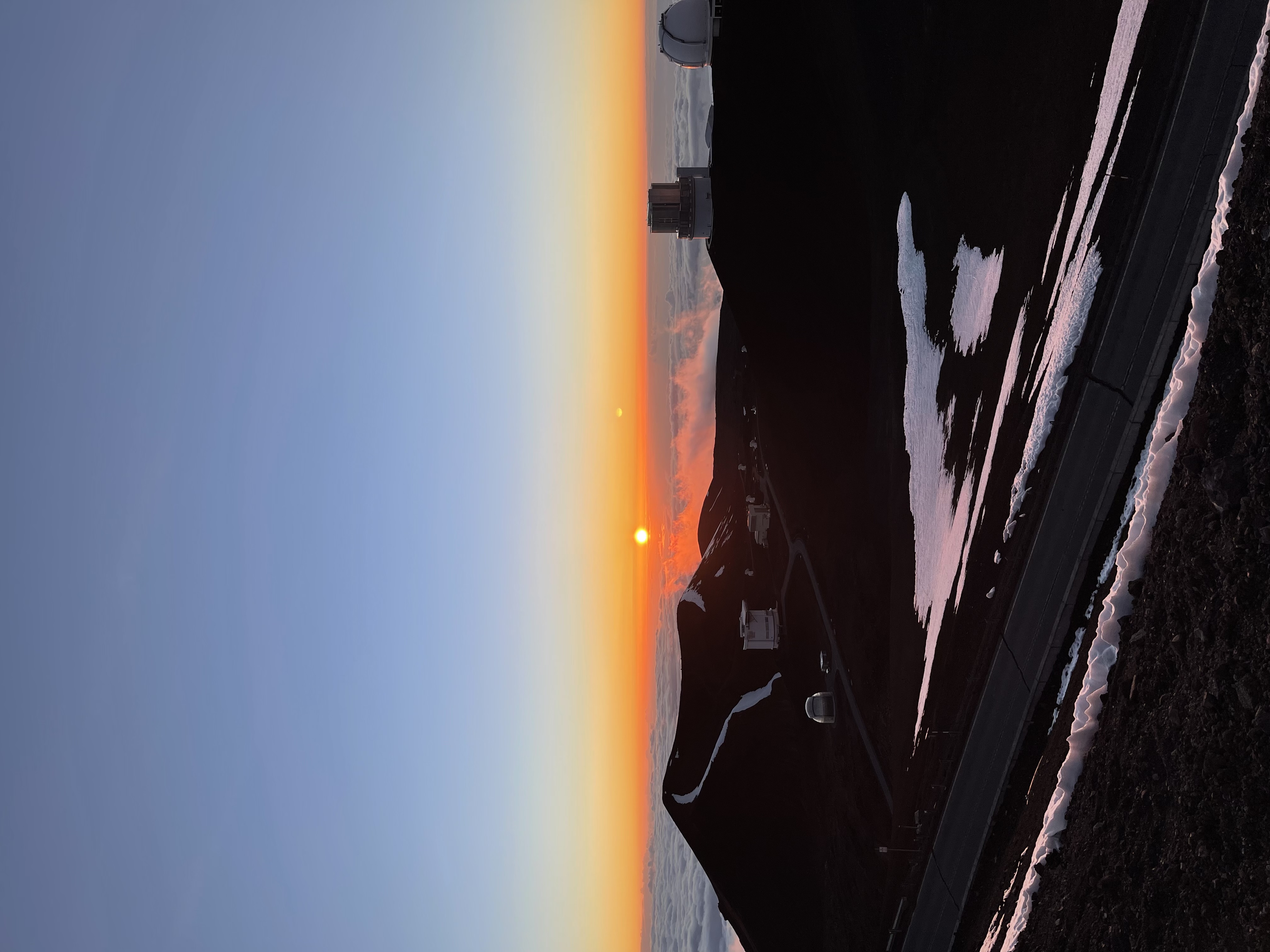
- Option 1 - The High Road: Drive back over Saddle Road. Weather permitting, take the turn-off for the Mauna Kea Access Road. You can drive any vehicle to the Mauna Kea Visitor Information Station (VIS) at 9,200 feet. The views are incredible, but be mindful of the altitude. Take it slow and stay hydrated. Note: Most rental car agreements prohibit driving past the VIS to the summit.
- Option 2 - The Northern Route: For a more scenic, leisurely drive, take the northern route around the island. From Hilo, you'll pass through the rolling green pastures of Waimea, home to Parker Ranch and Hawaiian cowboy (paniolo) culture. Stop in town for lunch before descending back to the sunny Kohala Coast.
- Evening: Check into a hotel near the Kona airport for convenience. Enjoy a final celebratory mai tai and watch your last Hawaiian sunset.
Day 7: A Final Aloha
It's time to say goodbye, but not before one last taste of the islands.
- Morning: Enjoy a leisurely breakfast. If you have time, do some last-minute souvenir shopping in Kailua-Kona. Or, visit one last beach for a final dip in the Pacific.
- Afternoon: Return your rental car and head to the Ellison Onizuka Kona International Airport (KOA) for your flight home, filled with memories of an incredible week.
Customizing Your Trip
This itinerary is a template, not a strict schedule. Feel free to swap days or substitute activities that interest you more. For example:
- Stargazing: Book a tour to Mauna Kea for an unparalleled view of the night sky.
- Manta Rays: Take an evening boat tour in Kona for a night snorkel or dive with majestic manta rays.
- Hiking: Spend a full day hiking the Kīlauea Iki trail in the volcano park instead of driving the Chain of Craters Road.
Related Reading:
- For more snorkel spots:
/blog/best-snorkeling-big-island - Plan your volcano visit:
/blog/hawaii-volcanoes-national-park-guide - Stargazing tips:
/blog/mauna-kea-stargazing-guide