Do You Need a Rental Car on the Big Island? (Yes, Here's Why)
Wondering if you can get by without a rental car on the Big Island? The short answer is no. Its massive size and limited public transport make a car essential for any real exploration.
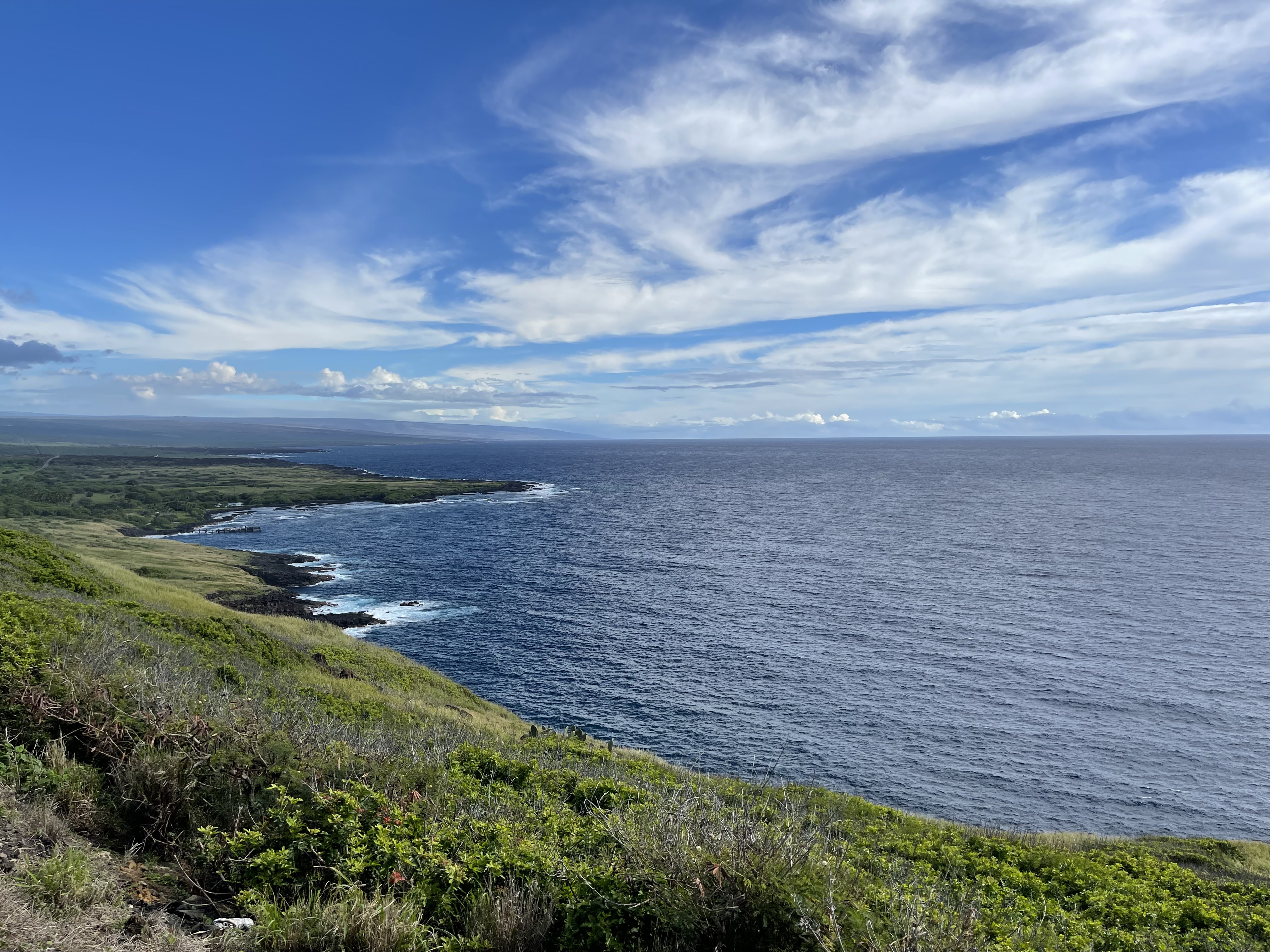
Let's cut to the chase: if you are visiting the island of Hawaiʻi and want to see more than your hotel pool, you need a rental car. It’s not a luxury or a convenience; it’s a necessity. The Big Island is, true to its name, enormous and its world-class attractions are spread far and wide, with very limited options for getting between them otherwise.
Without your own set of wheels, you’ll miss the spontaneous magic that makes a trip here unforgettable—pulling over for a roadside fruit stand, discovering a hidden black sand cove, or changing plans to chase a sunset. Here’s a practical guide to why a rental car is non-negotiable and how to make the right choice for your trip.
The Sheer Scale of the Big Island
It’s hard to grasp the size of Hawaiʻi Island until you’re here. At 4,028 square miles, it’s larger than all the other Hawaiian islands combined and is roughly the size of the state of Connecticut. According to the USGS, its two main volcanoes, Mauna Loa and Mauna Kea, occupy a massive portion of this landscape, creating vast, sparsely populated areas between the main towns of Kailua-Kona on the west and Hilo on the east.
Driving times can be significant. Consider these common routes:
- Kailua-Kona to Hilo (via Saddle Road/Hwy 200): 1.5 - 2 hours
- Kailua-Kona to Hawaiʻi Volcanoes National Park: 2 - 2.5 hours
- Hilo to Hawaiʻi Volcanoes National Park: 45 - 60 minutes
- Kailua-Kona to Waimea: 45 - 60 minutes
- A full loop around the island (Hwy 11 & 19): 6 - 8 hours without major stops
These are one-way times. A day trip from a Kona resort to the volcano and back means spending nearly five hours in the car. Relying on any other form of transport would make such a day nearly impossible.
Why Public Transit Isn't a Practical Option
The county of Hawaiʻi does operate a public bus system called Hele-On. While it's an important service for residents, it is not a practical solution for visitors. Here's why:
- Infrequent Service: Many routes run only a few times per day, particularly on weekends. Missing a bus could mean a wait of several hours.
- Limited Routes: The bus system is designed to connect residential communities, not to serve tourist sites directly. You might get to the town of Volcano, but not easily to the Kīlauea Iki trailhead inside the park. Popular beaches, lookouts, and hiking spots are often miles from the nearest bus stop.
- Time-Consuming: A drive that takes 90 minutes by car could take over three hours by bus, including transfers. Your precious vacation time would be spent waiting at bus stops instead of exploring.
For getting between Hilo and Kona, the bus is a budget option, but it essentially consumes half a day.
What About Ride-Sharing and Taxis?
Services like Uber and Lyft are readily available in the main population centers of Kailua-Kona and, to a lesser extent, Hilo. They are perfect for short trips—getting from your condo to a restaurant in town, for example. However, they are not a viable option for exploring the island.
- High Cost: A one-way Uber ride from Kailua-Kona to Hawaiʻi Volcanoes National Park could easily cost hundreds of dollars, far more than a single day's car rental.
- Limited Availability: Once you leave the resort areas of Kona and Kohala, finding a ride-share vehicle can be difficult or impossible. You could easily get a ride to a remote beach but find yourself stranded with no way back.
- No Service in Remote Areas: There is effectively no ride-share service in places like Kaʻū, North Kohala, or along the Hāmākua Coast.
Taxis are even more expensive and face the same geographical limitations. They are best used for short airport-to-hotel transfers if you plan to pick up a car later.
The Freedom to Explore Off the Beaten Path
The real reason to rent a car is freedom. The Big Island's magic lies in its diversity, and a car is your key to unlocking it. You can:
- Drive the entire loop: Experience the dramatic shift in climate and landscape, from the sunny, lava-strewn Kona coast to the lush, waterfall-lined Hāmākua Coast.
- Visit Multiple Beaches in a Day: Spend the morning at the family-friendly Hāpuna Beach and the afternoon snorkeling at Kahaluʻu Beach Park.
- Explore Hawaiʻi Volcanoes National Park Fully: Drive the Chain of Craters Road down to the Hōlei Sea Arch, explore the different trails, and stay after dark to see the glow from Kīlauea's caldera.
- Go Stargazing: Drive up Saddle Road for incredible views of the night sky, far from the city lights.
- Be Spontaneous: Stop at that coffee farm you just passed, pull over at a scenic lookout for a photo, or head to the Punaluʻu Bake Shop for their famous sweet bread.
Having your own vehicle puts you in control of your itinerary and allows for the kind of serendipitous discovery that defines a great road trip.
Choosing the Right Type of Rental Car
Not all rental cars are created equal, and the right choice depends on your budget and itinerary.
| Car Type | Best For | Considerations |
|---|---|---|
| Economy/Compact | Budget travelers, couples sticking to paved roads. | Perfectly adequate for most major sights. |
| Convertible | Fun-in-the-sun driving on the Kona/Kohala coast. | Less practical for Hilo's rain, high altitudes, or security. |
| SUV (2WD) | Families needing space, more comfort on bumpy roads. | A good all-around choice for comfort and capacity. |
| SUV (4-Wheel Drive) | Accessing Mauna Kea summit, remote beaches. | Required by rental contracts for the road to the Mauna Kea Visitor Center and beyond. |
The most important distinction is the need for a 4-Wheel Drive (4WD) vehicle. Most rental car agreements explicitly prohibit taking a 2WD vehicle on the steep, unpaved road to the summit of Mauna Kea. If you plan on visiting the summit for sunset or stargazing, you must rent a 4WD. A 4WD is also highly recommended if you wish to drive down to the Waipiʻo Valley (though access is often restricted) or navigate the rough road to the Green Sand Beach (Papakōlea) parking area.
For those seeking the ultimate in comfort and style while exploring, a luxury SUV from a premium provider like High End Hawaii can elevate the experience, blending performance with high-touch service.
Tips for Renting a Car on the Big Island
- Book Well in Advance: This is the single most important tip. Cars sell out, especially during peak season (holidays, summer). Book your car as soon as you book your flights. Prices skyrocket for last-minute rentals.
- Pick Up at the Airport: The most convenient place to rent is at Ellison Onizuka Kona International Airport (KOA) or Hilo International Airport (ITO). All the major national brands are located at or near the airports.
- Check Your Insurance: Your personal auto insurance policy or credit card may already provide coverage for rental cars. Check before you travel to avoid paying for expensive, redundant insurance at the counter.
- Prepare for High Gas Prices: As with everything in Hawaiʻi, gasoline is expensive. Factor this into your budget. There are Costco locations in Kona and Hilo with cheaper gas if you are a member.
- One-Way Rentals: If you plan to fly into one side of the island (e.g., Hilo) and out of the other (e.g., Kona), look for companies that allow one-way rentals. There may be an extra fee, but it can save you hours of driving.
Ultimately, a rental car is the key that unlocks the vast, diverse, and breathtaking island of Hawaiʻi. Don't let your dream trip be limited by the four walls of your resort.
Related Reading:
- A Guide to Driving the Big Island: /blog/big-island-driving-itinerary
- Stargazing on Mauna Kea: /blog/mauna-kea-stargazing-guide
- Planning Your First Trip to the Big Island: /blog/big-island-first-trip-planner