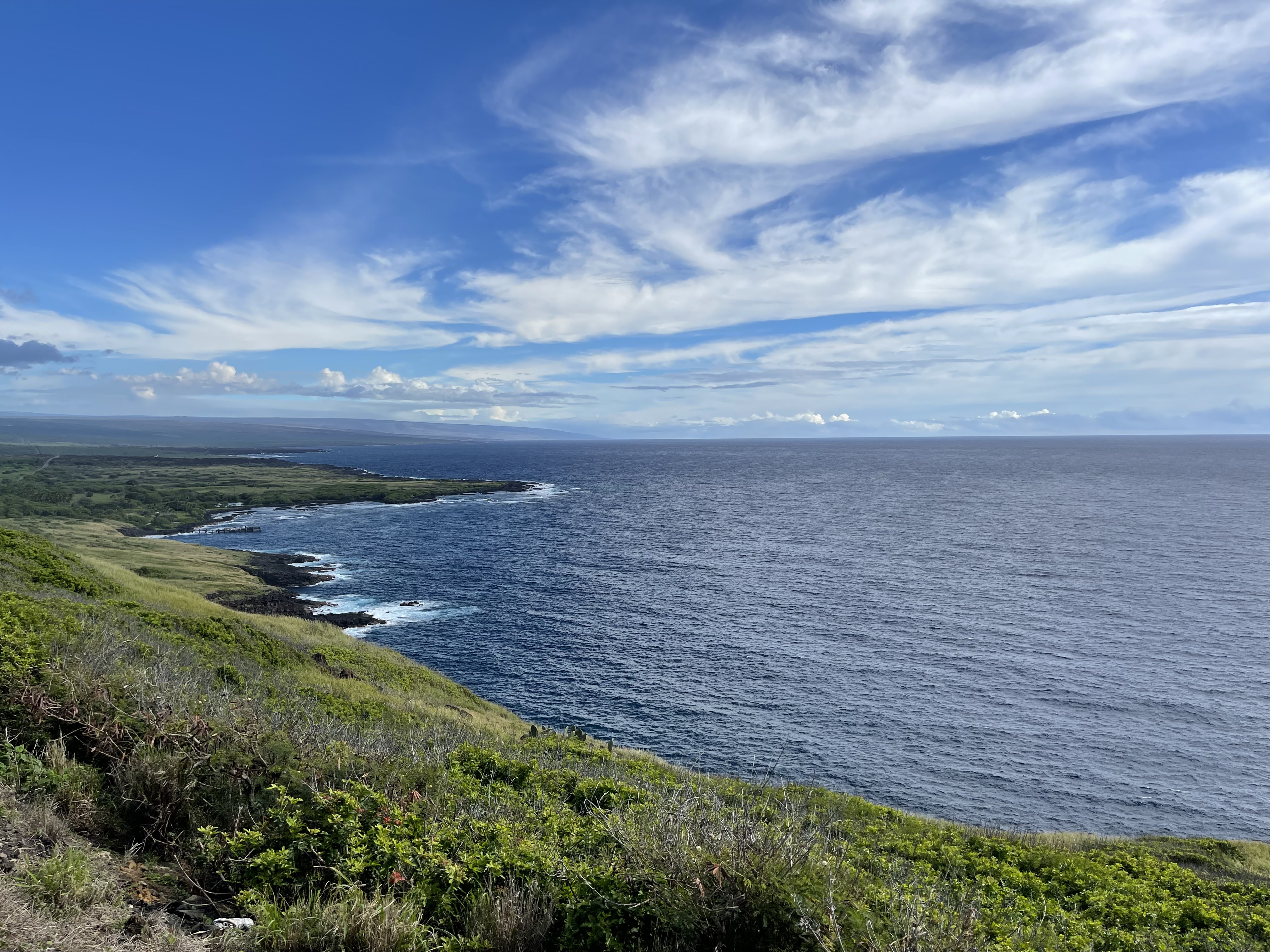
Touring the Big Island of Hawaiʻi: Your Guide to the Best Tours
The Big Island is vast, and a great tour can be the key to unlocking its secrets. From active volcanoes to manta rays, we break down which tours are worth your time and money.
Choosing how to tour Hawaiʻi Island is one of the biggest decisions you'll make when planning your trip. Its sheer size—larger than all other Hawaiian islands combined—means you can't see it all in a day, or even a week. While independent exploration is rewarding, a well-chosen tour offers local expertise, access to exclusive locations, and logistical ease that can transform your vacation.
But not all tours are created equal. This guide will help you navigate the options, from soaring over Kīlauea's lava fields to swimming with manta rays, ensuring you invest in experiences that are truly unforgettable.
Why Take a Tour on the Big Island?
Deciding between a guided tour and a self-drive adventure often comes down to your travel style and priorities. Here are the main advantages of booking a tour:
- Expert Knowledge: Guides are often fountains of information on geology, marine biology, history, and Hawaiian culture. They can point out things you'd never notice on your own and answer questions in real-time.
- Access: Some locations, like the summit of Mauna Kea for commercial stargazing or specific snorkeling spots like Kealakekua Bay, are difficult or restricted without a licensed tour operator.
- Convenience: Let someone else handle the driving, parking, permits, and gear. This is especially valuable on an island with long driving distances between major sights.
- Safety: For activities like ocean excursions or volcano hiking, professional guides are trained in first aid and know how to manage local conditions, from ocean currents to volcanic gases (vog).
Of course, there are downsides. Tours cost more than exploring on your own, and you're on a fixed schedule. The key is to find a balance, perhaps mixing a few high-value tours with days of independent discovery.
Volcano Tours: Kīlauea & Hawaiʻi Volcanoes National Park
A visit to Kīlauea is a quintessential Big Island experience. The landscape within Hawaiʻi Volcanoes National Park is otherworldly and constantly changing. Tours can provide crucial context and access.
Guided Van & Hiking Tours
These small-group tours are an excellent way to see the park. A guide will navigate you to the highlights, including steam vents, Thurston Lava Tube (Nāhuku), and the Kīlauea caldera overlook. They'll share geological insights and cultural stories related to Pele, the Hawaiian deity of volcanoes. A huge plus is that they know the best, safest spots for viewing active lava flows, if any are present and accessible. Always check the latest eruption updates from the USGS Hawaiian Volcano Observatory before your trip.
Helicopter Tours Over the Volcano
For a jaw-dropping perspective, nothing beats a helicopter tour. You can see the vastness of the lava fields, peer into craters, and potentially witness surface flows that are completely inaccessible on foot. Most volcano-focused flights depart from Hilo, which is closer to the action, resulting in more time over the volcanic zone.
Ocean Tours: Snorkeling, Manta Rays, and Whales
The Kona coast, sheltered from the trade winds by massive volcanoes, boasts some of the calmest and clearest ocean water in Hawaiʻi.
Manta Ray Night Snorkel/Dive
This is a world-famous, truly magical experience. After sunset, boats gather at specific sites off the Kona coast. Powerful lights are shone into the water, attracting plankton, which in turn attracts giant, gentle manta rays. You float on the surface holding onto a light board while these graceful creatures glide and barrel-roll just inches below you. It's an absolute must-do.
Daytime Snorkel Trips
Many companies offer boat trips to pristine snorkeling destinations. The most popular is Kealakekua Bay State Historical Park, home to the Captain Cook Monument and a vibrant underwater marine life conservation district. A boat tour is the best way to access the prime snorkeling area here, as the alternative is a very strenuous hike.
Seasonal Whale Watching
From December through March, humpback whales migrate from Alaska to Hawaiʻi's warm waters to breed and calve. A whale watching tour is the best way to see them. Reputable tour operators are required by federal law to keep a safe distance, but the whales often put on a spectacular show of their own accord. Look for boats with hydrophones so you can hear the whales' haunting songs.
Helicopter Tours: The Ultimate Island Perspective
A helicopter tour is a significant splurge, but it provides a vantage point that is simply impossible to get any other way. Because of the Big Island's size, helicopter tours are often broken down by region:
- Volcano & Hilo Coast: Departs from Hilo. Focuses on Kīlauea and the lush, waterfall-lined coast of East Hawaiʻi.
- Kohala Coast & Valleys: Departs from Waikoloa or Kona. Flies over the dramatic, inaccessible valleys of North Kohala, including Waimanu Valley, which looks like a scene from Jurassic Park.
- Full Island Tour: A longer, more expensive flight that attempts to circumnavigate the entire island, combining volcanoes, coasts, and valleys. Be aware that this involves a lot of time over less dramatic landscapes as well.
Tip: "Doors-off" tours offer better photography opportunities but are colder and windier. Choose based on your comfort level.
Stargazing Tours: Mauna Kea & Mauna Loa
The high, dry, and dark summits of Mauna Kea and Mauna Loa offer some of the best astronomical viewing conditions on Earth. Accessing them requires care and expertise.
Mauna Kea Summit Tours
These tours are the only way for most visitors to reach the 13,803-foot summit. Tour companies use heavy-duty 4x4 vans to navigate the steep, partially unpaved road. The tour typically includes a stop at the mid-level Visitor Information Station (around 9,200 feet) to acclimatize, followed by a trip to the summit for sunset. Afterward, they descend back to the mid-level for stargazing with a powerful telescope. Due to the extreme altitude, these tours have strict health, age (usually no one under 13-16), and pregnancy restrictions. The view above the clouds is truly sublime.
Mid-Level Stargazing
If the summit tour feels too intense (or is booked up), several operators now offer excellent stargazing-only tours at lower, safer elevations around 6,000-9,000 feet. The stars are still phenomenal, and you avoid the risks of severe altitude sickness.
Cultural & Agricultural Tours
Beyond the epic landscapes, you can tour Hawaiʻi Island on a more intimate scale.
- Kona Coffee Farms: The slopes of Hualālai are world-famous for Kona coffee. Dozens of farms offer tours and tastings. Some are quick, free, and commercial, while others are in-depth, small-group experiences on beautiful family-run estates.
- Macadamia Nut Farms: Visit a macadamia nut farm near Hilo or in the Kaʻū district to see how the nuts are grown, harvested, and processed. Most have visitor centers with free samples of various flavored nuts.
- Historical Sites: Consider a guided tour of a place like Puʻuhonua o Hōnaunau National Historical Park to gain a deeper appreciation for ancient Hawaiian law and culture.
How to Choose a Good Tour Operator
With so many companies to choose from, how do you pick the right one? Here are a few tips:
- Read Recent Reviews: Check Google, Yelp, and TripAdvisor for recent, detailed reviews. Look for patterns in comments about safety, guide quality, and customer service.
- Check for Certifications: For ocean tours, look for operators who are part of the Sustainable Tourism Association of Hawaiʻi or who follow the Manta Ray Green List guidelines.
- Understand the Itinerary & Inclusions: Does the price include park entrance fees, food, water, and gear (like snorkel masks or jackets for Mauna Kea)? What is the cancellation policy, especially for weather-dependent tours?
- Prioritize Small Groups: Smaller group tours are almost always more personal and enjoyable than being herded onto a large bus. It's often worth paying a little extra for a more intimate experience.
- Book in Advance: The best tours, especially for manta rays and Mauna Kea, fill up weeks or even months in advance. Book early to avoid disappointment. Find exclusive deals and curated experiences at a place like highendhawaii.com.
Related Articles: