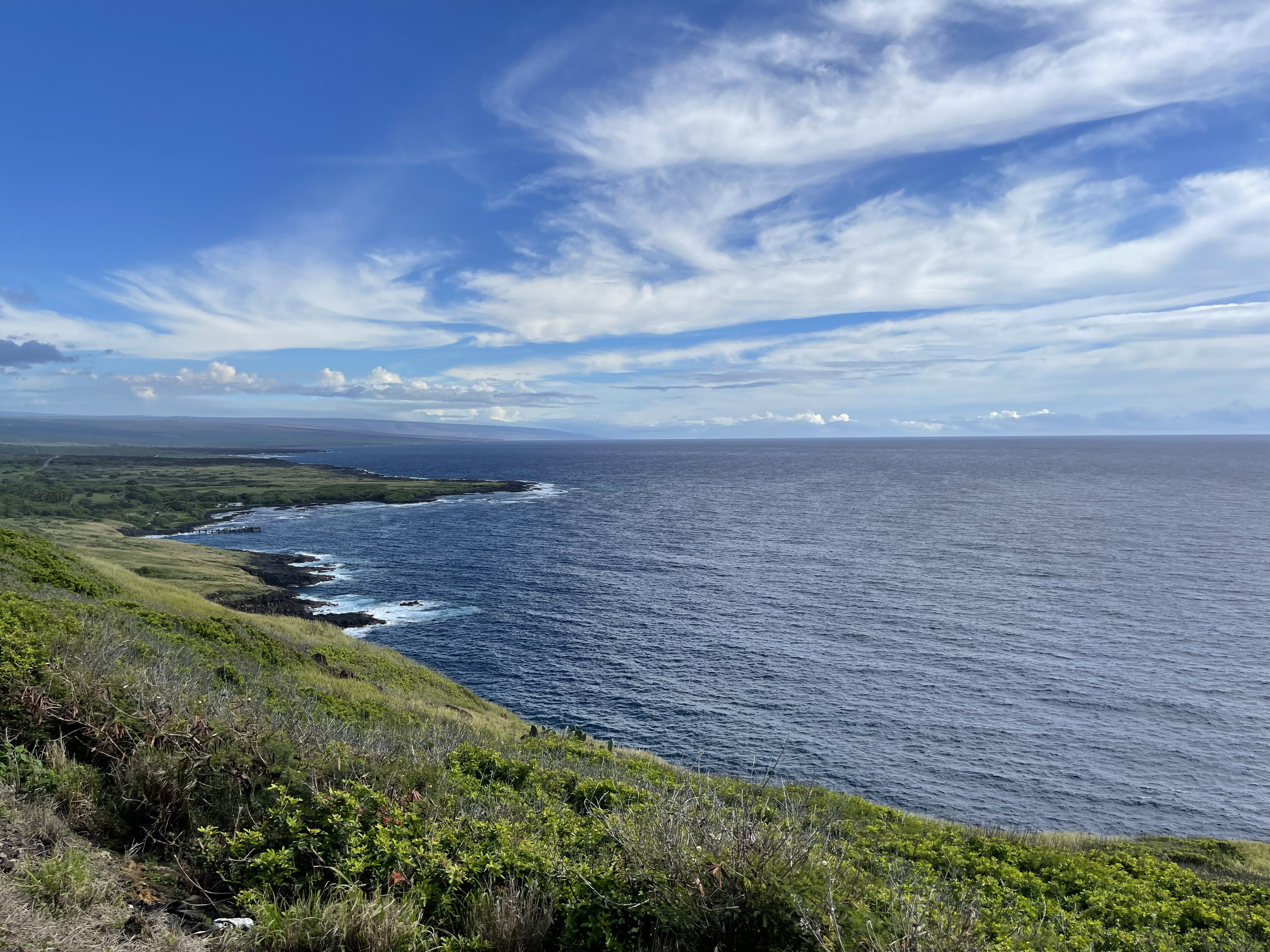
Snorkeling Kealakekua Bay: Permits, Tours & DIY Options
Snorkeling at Kealakekua Bay is a Big Island highlight, with crystal-clear water and abundant marine life. This guide covers how to get there via boat tour, kayak, or hike, and the permits you'll need.
Kealakekua Bay offers what many consider the best snorkeling on the Big Island of Hawaiʻi. Its calm, exceptionally clear waters are a protected Marine Life Conservation District, teeming with colorful fish and healthy coral. The bay is also a place of immense historical significance, home to the iconic Captain Cook Monument.
However, getting here isn't as simple as driving to a beach. Access is restricted to protect the bay's fragile ecosystem and cultural sites. This guide breaks down your options—from the easiest boat tours to the most strenuous hikes—so you can plan your visit responsibly.
Why Snorkel at Kealakekua Bay?
Kealakekua Bay is special for several reasons. It's not just another pretty spot; it's a protected sanctuary and a historical landmark.
- Marine Life Conservation District (MLCD): Designated in 1969, this is one of the oldest MLCDs in Hawaiʻi. This long-standing protection means the coral reefs are vibrant and the fish populations are abundant and unafraid of swimmers. The water visibility often exceeds 100 feet.
- The Captain Cook Monument: On the bay's northern shore at a spot called Kaʻawaloa, a 27-foot white obelisk marks the approximate location where British explorer Captain James Cook was killed in 1779. This is the epicenter of the best snorkeling in the bay.
- Spinner Dolphins (Naiʻa): The bay is a crucial resting area for local pods of spinner dolphins. They often enter the bay in the morning to rest and care for their young after a night of hunting in the open ocean. Federal law requires you to stay at least 50 yards away from them at all times.
- Cultural Significance: Kealakekua, meaning "the pathway of the god," is a sacred place in Hawaiian history. It was the site of the ancient village of Kaʻawaloa and holds deep cultural importance. When you visit, you are a guest in a place of great reverence.
The Permit System: What You Need to Know
This is the most confusing part of visiting Kealakekua Bay. According to the Hawaiʻi Division of State Parks, access is tightly controlled.
A permit is required to land any vessel—including kayaks and paddleboards—or to moor a boat within Kealakekua Bay State Historical Park.
Here's what that means for you:
- If you take a guided tour: The tour company holds the necessary commercial permits. You do not need to get your own permit. This is the simplest and most common way to visit.
- If you kayak on your own: You are not allowed to land your kayak at the Kaʻawaloa shoreline near the monument. You must remain in your vessel for the entire duration of your time in the bay. This rule is in place to prevent overcrowding and protect the shoreline.
- If you hike down: You do not need a permit to hike the Kaʻawaloa Trail and access the water from the shoreline.
Only three companies are permitted by the State to land kayaks as part of a guided tour. Booking with one of them is the only legal way to get out of your kayak at the monument.
Option 1: Boat Tours (The Recommended Way)
For the vast majority of visitors, taking a boat tour is the best way to experience Kealakekua Bay. It's the most comfortable, convenient, and environmentally responsible option.
Why a Boat Tour is Best
- Easy Access: Tours handle all the logistics and permits. You just show up.
- Comfort & Safety: Boats provide shade, restrooms, snacks or lunch, and all necessary snorkel gear. A professional crew is on hand for safety and guidance.
- Educational Value: Guides share information about the bay's history, culture, and marine life.
- No Strenuous Effort: You avoid a dangerous hike or a long, open-ocean paddle.
Most tours depart from Keauhou Bay, just south of Kailua-Kona, and offer a 3- to 5-hour experience. You'll motor down the coast, often spotting dolphins or other marine life along the way, and then moor in the bay for 60-90 minutes of snorkeling. The boat itself serves as your home base.
There are many excellent operators, from large, stable catamarans perfect for families to smaller, faster zodiac-style rafts for a more adventurous ride. We recommend choosing a company that participates in the Dolphin SMART program, which promotes responsible wildlife viewing.
Option 2: Kayaking to the Monument
Kayaking across the bay is a beautiful experience, but it comes with significant challenges and regulations.
The paddle is roughly 1.5 miles each way from the typical launch point at Nāpōʻopoʻo Pier. It crosses open water that can become choppy, especially in the afternoon. You must be a confident paddler.
Renting a Kayak and Going on Your Own
If you rent a kayak from a local shop, you can paddle across the bay to the monument. However, you are not permitted to land your kayak. You must tie up to your paddle-buddy's boat or simply float while you snorkel. Getting back into a kayak from deep water can be very difficult.
Taking a Guided Kayak Tour
This is the only legal way to land a kayak at Kaʻawaloa. A handful of companies hold state-issued permits to run guided tours that land near the monument. These tours are small, educational, and book up far in advance. If your heart is set on landing, this is your only legitimate option.
Option 3: The Strenuous Kaʻawaloa Trail Hike
This option should only be attempted by very fit, experienced hikers. The Kaʻawaloa Trail is a challenging 3.6-mile round-trip hike that descends (and ascends) 1,300 feet.
- The Trail: The path is steep, unmaintained, and covered in loose, ankle-twisting lava rock and dirt. It is almost entirely exposed to the sun.
- The Descent: Going down takes about an hour and requires careful footing.
- The Ascent: The hike back up is brutal, especially in the midday heat. It can take 1.5 to 2 hours.
If You Choose to Hike
- Start Early: Begin your hike no later than 7 or 8 a.m. to avoid the worst of the heat.
- Bring Water: Carry at least 3 liters of water per person. You will need all of it.
- Wear Proper Shoes: Sturdy, closed-toe hiking shoes are mandatory. Do not attempt this in sandals or reef walkers.
- Pack Light, but Smart: Bring your own snorkel gear, reef-safe sunscreen, a hat, and some high-energy snacks. Remember, you have to carry it all back up the hill.
Once at the bottom, the entry into the water is over slippery rocks. There is no sand. While rewarding, this hike is not for the casual visitor.
What You'll See: Marine Life in the Bay
The reward for your efforts is an underwater world bursting with life. Look for:
| Hawaiian Name | Common Name | Notes |
|---|---|---|
| Lauʻīpala | Yellow Tang | Often seen in large, brilliant schools. |
| Uhu | Parrotfish | You might hear them crunching on coral. |
| Kīkākapu | Butterflyfish | Dozens of species with intricate patterns. |
| Mamo | Sergeant Major | Striped, feisty fish that guard their eggs. |
| Honu | Green Sea Turtle | Often seen feeding on algae near the rocks. |
| Naiʻa | Spinner Dolphin | Seen in pods, usually in the morning. Keep your distance! |
Remember to use only mineral-based, reef-safe sunscreen (zinc oxide or titanium dioxide) to protect the coral. For a complete guide to our favorite snorkeling spots, see our Big Island Snorkeling Guide.
Related Reading