Mauna Kea Weather: A Guide to the Summit's Extreme Conditions
Don't let the tropical beaches fool you. Weather at the nearly 14,000-foot summit of Mauna Kea is alpine, unpredictable, and requires serious preparation for any visit.
It’s one of the most jarring contrasts in all of Hawaiʻi. You can leave a sun-drenched beach in Kailua-Kona, and in two hours, find yourself in a landscape of freezing temperatures, howling winds, and even snow. The summit of Mauna Kea is a place of extremes, and understanding its unique and rapidly changing weather is not just practical—it's essential for your safety.
At 13,803 feet (4,207 meters) above sea level, Mauna Kea hosts some of the most sophisticated astronomical observatories on Earth, placed there specifically because the atmosphere is thin, dry, and stable. But for the visitor, those same conditions translate to a harsh alpine environment that demands respect and preparation. This guide breaks down everything you need to know about Mauna Kea weather conditions before you even think about starting your ascent.
Why Mauna Kea Weather is So Extreme
Mauna Kea's weather is a product of its immense height and its location in the middle of the Pacific Ocean. Several key factors create the conditions you'll encounter:
- Extreme Altitude: The summit is nearly 14,000 feet high, well into the alpine zone. The air here is 40% thinner than at sea level. This not only has physiological effects (altitude sickness is a real risk) but also means the thin atmosphere can't hold heat. When the sun sets, temperatures plummet instantly and dramatically.
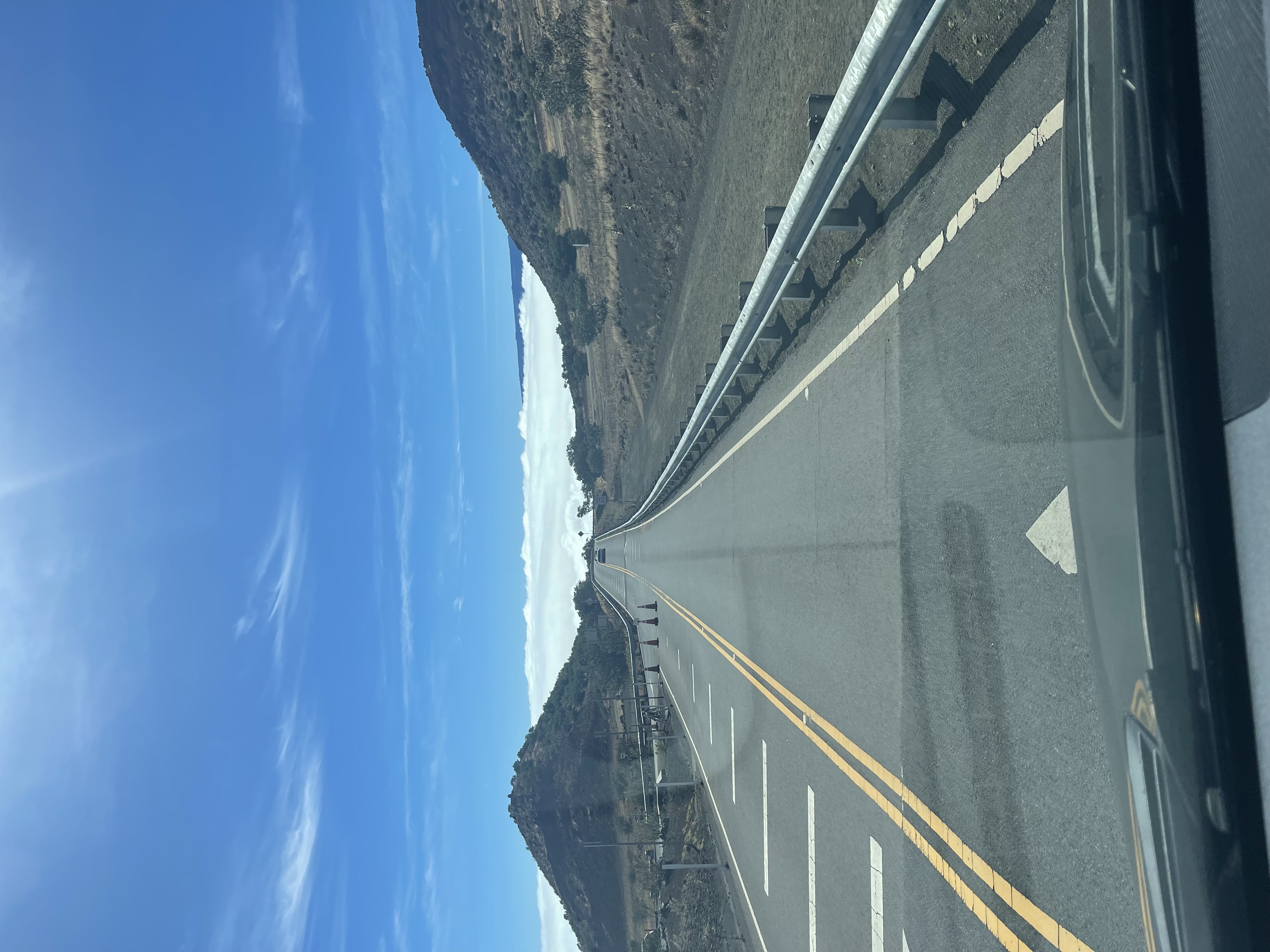
- Atmospheric Inversion Layer: Most of the time, a temperature inversion layer sits between 6,000 and 8,000 feet on the mountain. This layer acts like a cap, trapping clouds, moisture, and haze below it. This is why the summit is often above the clouds, enjoying crystal-clear skies while the rest of the island might be socked in. It also means the summit air is exceptionally dry.
- Tropical Latitude: Being in the tropics means the sun's rays are incredibly intense. The thin atmosphere provides less protection from UV radiation. Sunburn and eye damage are serious risks, even when it feels freezing cold.
- Unobstructed Wind: As the tallest peak in the Pacific, Mauna Kea is exposed to powerful, unimpeded winds from the jet stream, especially during the winter months. Winds over 50 mph are common, and they can occasionally exceed 100 mph, creating dangerous wind chills and making it difficult to even stand upright.
What to Expect Year-Round
While Mauna Kea weather is notoriously unpredictable on any given day, there are general seasonal patterns.
Winter (November - March)
This is the most volatile season. Snowfall is common, and the summit is often covered in a picturesque, but treacherous, layer of snow and ice. The State of Hawaiʻi Department of Land and Natural Resources often closes the summit access road due to icy conditions. Temperatures regularly drop into the teens and 20s Fahrenheit (-7 to -1°C) even during the day, and much lower at night. High winds are frequent, leading to extreme wind chills. While beautiful, visiting in winter requires constant monitoring of road conditions.
Summer (June - September)
Summer is generally the most stable and accessible time to visit. Snow is rare, though not impossible. Daytime temperatures might climb into the 40s or even 50s (°F), but don't be deceived. The moment the sun goes down, it will feel like winter again, with temperatures dropping to freezing or below. The primary hazards in summer are the intense solar radiation and the potential for afternoon thunderstorms, which can develop quickly.
Spring & Autumn (April-May & October)
These shoulder seasons are transitional. You can experience a mix of winter and summer conditions. The chance of snow and ice decreases in spring and increases in autumn. These can be excellent times to visit, with fewer crowds and generally accessible roads, but you must be prepared for anything.
Key Weather Hazards at the Summit
Being prepared for Mauna Kea means understanding the specific dangers its environment poses.
- Altitude Sickness: Acute Mountain Sickness (AMS) is a common affliction for those who ascend too quickly. Symptoms include headache, nausea, dizziness, and shortness of breath. The only cure is to descend. To mitigate risk, spend at least 30 minutes acclimatizing at the Visitor Information Station (VIS) at 9,200 feet.
- Hypothermia & Frostbite: With temperatures often at or below freezing and strong winds creating severe wind chills, hypothermia is a serious threat. Proper clothing is not optional; it's a survival necessity.
- Extreme Solar Radiation: The UV index at the summit can be extreme. Use high-SPF sunscreen on all exposed skin, wear UV-protective sunglasses to prevent eye damage, and cover up with hats and long sleeves.
- Sudden Storms: Weather can change in minutes. A clear, sunny day can turn into a whiteout blizzard or a violent thunderstorm with little warning. Never venture far from your vehicle and always check the forecast immediately before you ascend.
How to Check Mauna Kea Weather Before You Go
Never, ever, ascend past the Visitor Information Station without checking current conditions. Your rental car's dashboard temperature is not a reliable source.
- Mauna Kea Weather Center (MKWC): This is the definitive source. The MKWC provides detailed forecasts specifically for the summit, including temperature, wind speed, visibility, and weather alerts. Check their website before you leave your hotel.
- Summit Road Conditions: The University of Hawaiʻi manages the road and provides updates on its status. The road frequently closes due to ice, snow, high winds, or even fog. Check the road status report online before you drive up.
- Webcams: Several observatories have public webcams. These are invaluable for getting a real-time look at cloud cover, snow, and overall conditions at the summit. Search for "Mauna Kea webcams" to find them.
Dressing for the Summit: Layering is Essential
Think you're packing for a tropical vacation? You are, but you also need to pack for an arctic expedition. The key is layering.
- Base Layer: A moisture-wicking long-sleeve shirt (merino wool or synthetic, not cotton).
- Mid Layer: A fleece jacket or a puffy insulated jacket. This is your primary warmth layer.
- Outer Shell: A windproof and waterproof jacket. This protects you from the brutal wind and any precipitation.
- Pants: Sturdy long pants are a must. Insulated ski pants are even better in winter.
- Footwear: Closed-toe, sturdy shoes like hiking boots. Do not wear sandals or slippers.
- Accessories: A warm hat (beanie), gloves or mittens, and a scarf or neck gaiter are non-negotiable. The majority of your body heat is lost through your head.
Vehicle Requirements and Road Safety
The road to the summit from the Visitor Information Station is steep, unpaved for several miles, and has sharp switchbacks. According to the University of Hawaiʻi, which manages the road, a true 4-Wheel Drive vehicle with low range is mandatory. All-Wheel Drive (AWD) vehicles are not sufficient and are not permitted past the VIS.
Most rental car agreements prohibit driving on this road. Specialized rental companies offer 4x4s for this purpose. Alternatively, booking a spot with a permitted tour company, like a luxury tour from a provider like High End Hawaiʻi, handles the driving, safety, and gear for you, allowing you to simply enjoy the experience.
The descent is just as dangerous as the ascent. You must use your engine to brake by shifting into low gear (L, 1, or 2) to avoid overheating and failing your brakes. This is the single most common cause of serious accidents on the mountain.
Related Reading:
- For more on the stargazing experience:
/blog/mauna-kea-stargazing-guide - Learn about the health risks:
/blog/big-island-altitude-sickness-prevention - Plan your visit:
/blog/how-to-visit-mauna-kea-summit