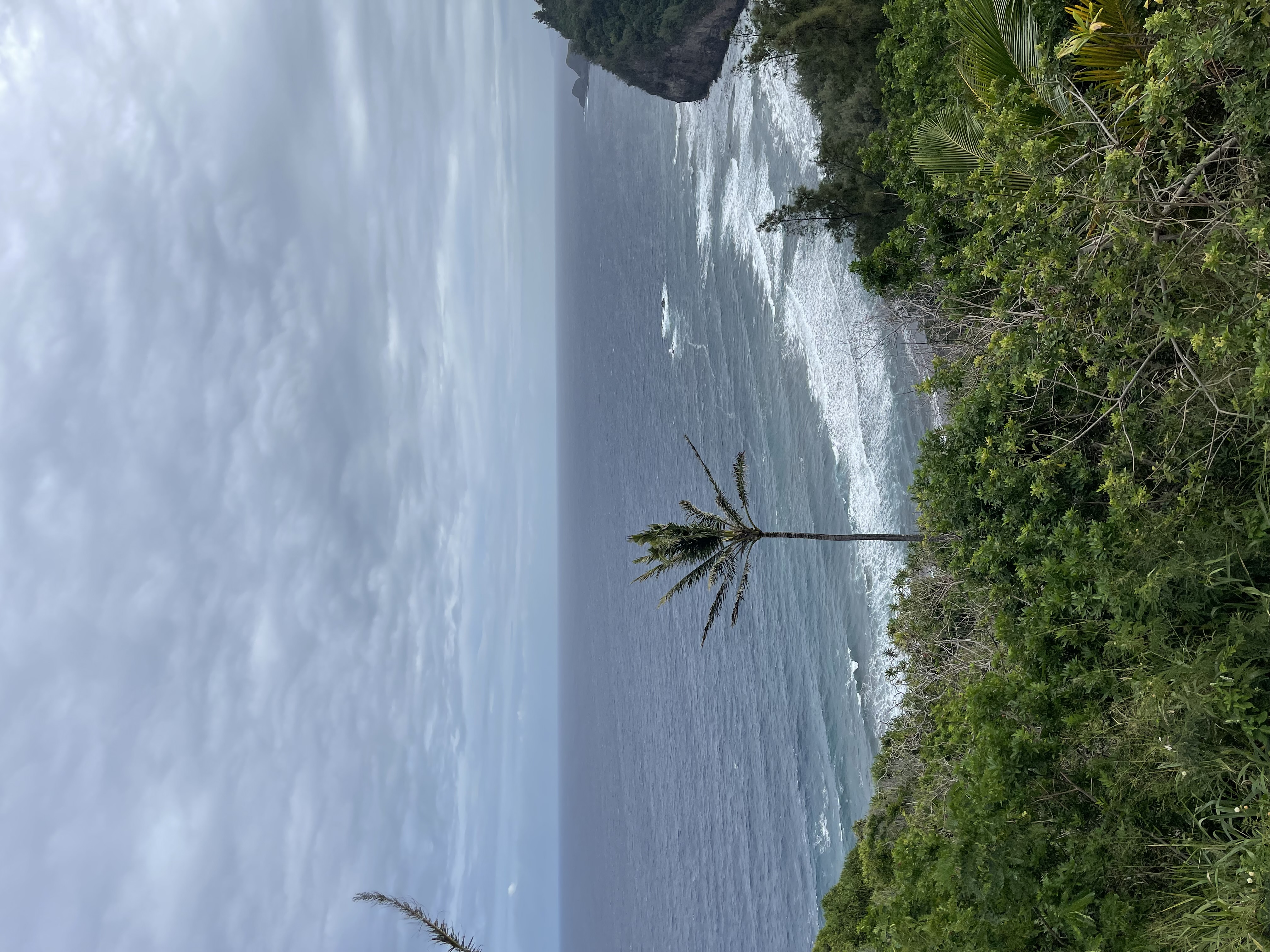
How to Plan a Big Island Budget Trip That Feels First-Class
Dreaming of Hawaiʻi but watching your wallet? A Big Island budget trip is more than possible—it can be fantastic. Here's how to save money while experiencing the best of the island.
A trip to Hawaiʻi often conjures images of expensive resorts and pricey cocktails, but the Big Island offers a different story for the savvy traveler. With its vast, diverse landscapes—from fiery volcanoes to lush rainforests and pristine beaches—the island's greatest treasures are often free or surprisingly affordable. Planning a Big Island budget trip doesn't mean skimping on adventure; it means spending smarter so you can experience more.
This guide provides a practical framework for building an incredible island vacation that respects your wallet. We'll cover the best times to visit, where to stay, how to eat well for less, and the countless low-cost activities that make the Big Island so spectacular.
When to Visit for the Best Deals
Hawaiʻi's weather is pleasant year-round, but visitor numbers and prices fluctuate. To maximize your budget, aim for the "shoulder seasons":
- Spring (April to early June): After the winter rush and before the summer school break, you'll find lower prices on flights and lodging. The weather is typically fantastic.
- Fall (September to mid-November): This is another sweet spot with fewer crowds and better deals before the holiday season kicks in.
Avoid peak travel times like major holidays (Christmas, New Year's, Thanksgiving) and the height of summer (late June through August) when prices soar. Flying on a Tuesday or Wednesday can also yield significant savings compared to weekend travel.
Flying to Hawaiʻi on a Budget
The Big Island has two major airports: Ellison Onizuka Kona International Airport (KOA) on the sunny west side and Hilo International Airport (ITO) on the lush east side. Most visitors fly into Kona as it's closer to the major resort areas and beaches. However, always compare prices for both airports, as deals to Hilo can sometimes pop up.
Here are a few tips for finding affordable flights:
- Book in Advance, but Be Flexible: Start looking 2-4 months out. Use fare alerts from Google Flights or other travel sites to track prices.
- Consider Southwest Airlines: If they fly from a city near you, Southwest offers two free checked bags per person. On other airlines, baggage fees can add over $120 to a round-trip ticket for a couple.
- Fly Mid-Week: As mentioned, Tuesdays and Wednesdays are often the cheapest days to fly to and from Hawaiʻi.
Where to Stay Without Breaking the Bank
Lodging is often the biggest expense, but the Big Island has excellent budget-friendly options beyond traditional hotels.
Vacation Rentals & Condos
For trips longer than a few days, especially for families or groups, a vacation rental with a kitchen is a game-changer. Being able to prepare your own breakfast, pack lunches, and even cook a few dinners will save you hundreds of dollars. Look on sites like VRBO and Airbnb. Condos in areas like Kailua-Kona and the Kohala Coast often have shared pools and BBQ areas.
Hostels
If you're a solo traveler or a couple on a tight budget, hostels in Kailua-Kona and Hilo offer dorm beds and private rooms at a fraction of the cost of a hotel. They are also a great way to meet other travelers.
Camping
For the truly adventurous, camping is the most affordable option. The County of Hawaiʻi and the State of Hawaiʻi's Department of Land and Natural Resources (DLNR) manage numerous beach parks and inland sites.
- Permits are required and must be secured in advance. You can find information on the official County of Hawaiʻi and DLNR websites.
- You'll need to bring your own gear or rent it on-island.
- Popular spots include Spencer Beach Park and Hoʻokena Beach Park. Note that facilities are often basic.
A well-planned trip is the foundation of a great vacation, whether you're camping or seeking luxury accommodations for a special occasion.
Getting Around Affordably
Let's be clear: you really need a rental car on the Big Island. The island is enormous (larger than all other Hawaiian islands combined) and public transportation, while it exists (Hele-On Bus), is not practical for visitors wanting to explore.
To save on your rental car:
- Book as early as possible. Prices skyrocket for last-minute bookings.
- Use discount sites. Check rates on sites like Discount Hawaii Car Rental, which scan major companies for the best deals.
- Avoid airport rental counters if possible. Sometimes off-site locations offer lower rates, though you'll need to factor in the logistics of getting there.
- Fill up your tank strategically. Gas is generally cheaper in Hilo and Kona than in the resort areas or remote towns.
Eating Well on a Shoestring
Food in Hawaiʻi can be expensive due to import costs, but eating like a local is both delicious and economical.
- Farmers Markets: The Big Island is a food paradise. Visit the Hilo Farmers Market (Wednesday and Saturday are the big days) or the Waimea Town Market for fresh, local fruit, vegetables, and prepared foods.
- Grocery Stores: Shop at KTA Super Stores or Foodland. Sign up for the Maikaʻi card at Foodland for instant savings. Costco, located near the Kona airport, is perfect for stocking up on drinks, snacks, and pantry staples if you have a kitchen.
- Plate Lunches & Food Trucks: The quintessential local meal. A plate lunch typically includes two scoops of rice, one scoop of mac salad, and a main entrée like teriyaki chicken, kālua pork, or fresh fish. It's a filling and affordable meal for under $20.
- Pack a Picnic: When heading to the beach or for a long drive, pack a cooler with sandwiches, fruit, and drinks. This simple act saves a fortune compared to buying food in resort areas.
Free and Low-Cost Activities
The Big Island's natural beauty is its main attraction, and much of it is accessible for free or for a small fee.
- Beaches: Spend days swimming, sunbathing, and relaxing. While some state parks like Hāpuna Beach State Recreation Area now charge a nominal entry and parking fee for non-residents, many incredible beaches are completely free.
- Snorkeling: Bring your own snorkel gear (or buy a set at Costco/Walmart upon arrival) to save on rental fees. Places like Kahaluʻu Beach Park in Kona and the Kapoho Tide Pools (check for current access post-2018 eruption) offer incredible underwater sights.
- Hawaiʻi Volcanoes National Park: This is a must-do. The entrance fee is per vehicle and is valid for seven days. According to the National Park Service (NPS), this gives you access to the Kīlauea summit, Chain of Craters Road, and miles of hiking trails. It's an incredible value.
- Stargazing: You don't need an expensive tour to see the stars. Drive up Saddle Road on a clear night and find a safe place to pull over. The elevation and lack of light pollution provide a breathtaking view of the cosmos. (Note: Access to the Mauna Kea Visitor Information Station is subject to change, so check its status before you go).
- Hiking: Explore trails outside the national park, like the Pololū Valley Lookout trail in North Kohala or the Waipiʻo Valley overlook.
- Explore Historic Towns: Wander through Hilo's historic bayfront, the charming plantation town of Honokaʻa, or the artsy village of Hawī. Window shopping and soaking up the local atmosphere costs nothing.
By prioritizing these kinds of activities, your days will be packed with adventure without draining your bank account.
Related Reading
- Your Guide to Hawaiʻi Volcanoes National Park: /blog/hawaii-volcanoes-national-park-guide
- Kona vs. Hilo: Which Side of the Big Island is Right for You?: /blog/kona-vs-hilo
- The Best Beaches on the Big Island: /blog/best-beaches-big-island