Big Island vs. Maui: Which Hawaiian Island Is Right for You?
It's the classic Hawaiʻi vacation dilemma: the wild, volcanic expanses of the Big Island or the golden beaches and lush valleys of Maui? This guide breaks down the key differences to help you decide.
Choosing your Hawaiian island is the first, most exciting step in planning your trip. For many, the decision boils down to two titans: Hawaiʻi Island (the Big Island) and Maui. One is an island of raw, elemental power, still growing and changing before your eyes. The other is the polished, postcard-perfect vision of a tropical paradise. There's no wrong answer, but there is a right answer for you.
This isn't about which island is better, but which one better matches your travel style. Are you seeking adventure across epic landscapes, or blissful relaxation on a world-class beach? Let's compare the Big Island and Maui to help you find your perfect fit.
At a Glance: Big Island vs. Maui
| Feature | Big Island (Hawaiʻi Island) | Maui |
|---|---|---|
| Size | 4,028 sq. miles (Vast) | 727 sq. miles (Manageable) |
| Vibe | Adventurous, raw, diverse, quiet | Polished, romantic, resort-focused |
| Topography | 8 of 13 world climate zones, active volcanoes | Lush valleys, long beaches, one huge dormant volcano |
| Beaches | Geologically diverse (black, green sand), rugged | Famous golden sand beaches, great for swimming |
| Main Attraction | Hawaiʻi Volcanoes National Park | Haleakalā National Park, Road to Hāna |
| Best For | Road trippers, adventure seekers, science lovers | Honeymooners, families, beach lovers |
The Vibe: Raw Adventure vs. Polished Paradise
The most significant difference between the two islands is their overall feel.
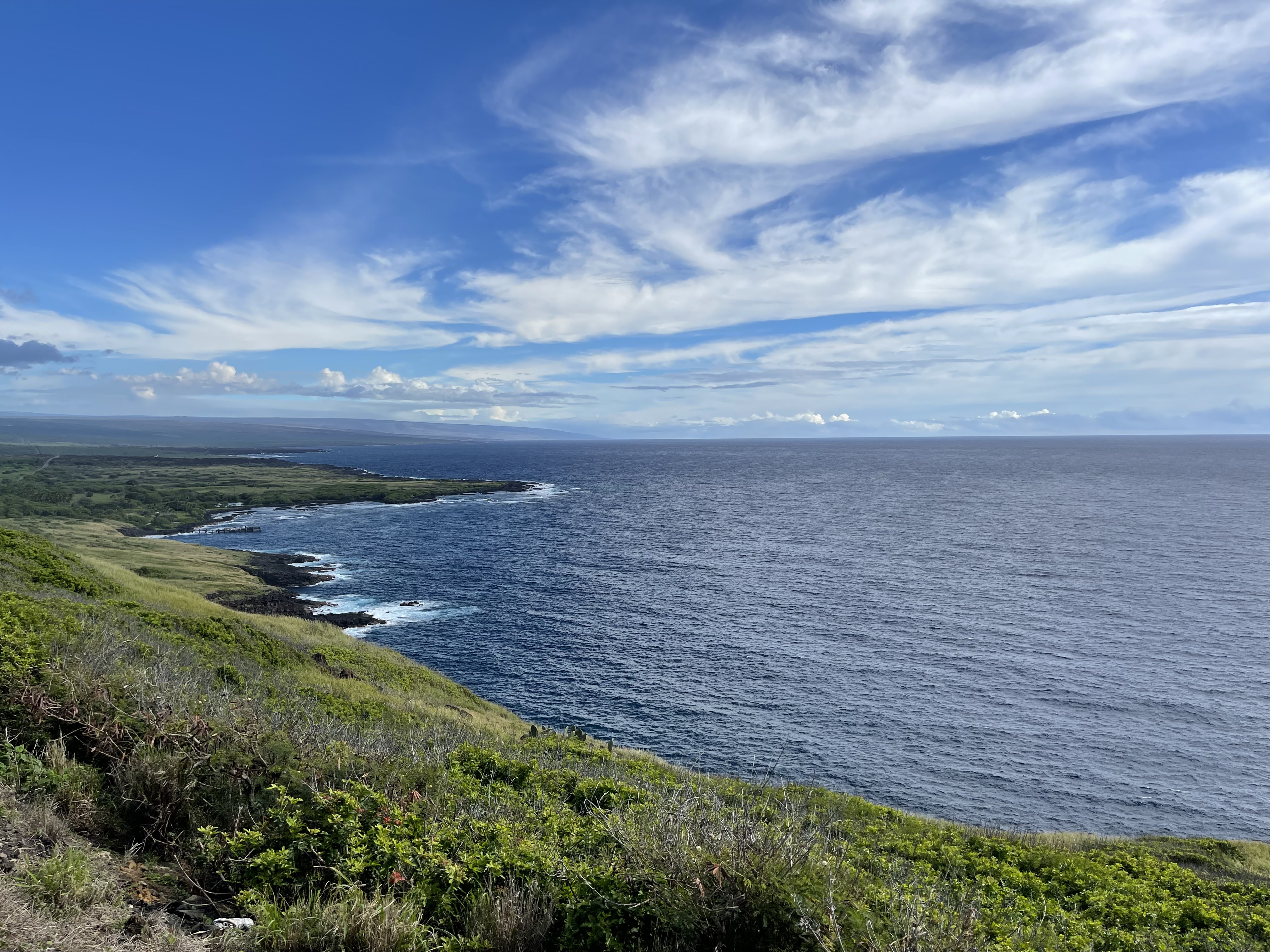
The Big Island is defined by its scale and diversity. It feels wild, spacious, and a little untamed. Driving across the island, you'll pass from sun-scorched lava fields to lush rainforests, misty volcanic slopes, and green pastureland. The towns are spread out, and outside the resort areas of the Kohala Coast, the island has a distinctly local, down-to-earth feel. It’s an explorer’s island, rewarding those willing to put in the miles with unforgettable, elemental experiences.
Maui, often called “The Valley Isle,” feels more curated and accessible. It strikes a balance between natural beauty and creature comforts. The west and south shores are lined with world-class resorts, beautiful beaches are rarely more than a short drive away, and the dining and shopping scenes are more developed. While it has its own wild side—the winding Road to Hāna, the summit of Haleakalā—the overall atmosphere is one of tropical relaxation and romance. It’s the island you see in your mind's eye when you picture a classic Hawaiian vacation.
Size & Geography: The Most Obvious Difference
Don't underestimate the impact of size on your vacation. The Big Island is, well, big. At over 4,000 square miles, it is larger than all the other Hawaiian islands combined. This has major practical implications:
- Driving is a major activity. Driving from Kailua-Kona on the west side to Hawaiʻi Volcanoes National Park on the east side takes 2-3 hours one way. A full loop around the island is a multi-day endeavor.
- Incredible Diversity. Its size encompasses a staggering range of microclimates. You can snorkel in the morning on the sunny Kona coast and wear a winter jacket for stargazing on Mauna Kea at nearly 14,000 feet that same night.
Maui is much more compact and manageable. You can drive from the resort hub of Kāʻanapali to the upcountry town of Makawao in about an hour. This makes it easier to explore different regions without spending your entire day in the car. Its geography is dominated by two volcanoes—the West Maui Mountains and the massive, dormant Haleakalā—with a fertile central valley in between.
Volcanoes: Active Fire vs. Dormant Giant
Both islands offer incredible volcanic experiences, but they are fundamentally different.
The Big Island is the only place in Hawaiʻi where you can witness active volcanism. Hawaiʻi Volcanoes National Park is a UNESCO World Heritage Site where the earth is actively creating new land. Here you’ll find two of the world's most active volcanoes:
- Kīlauea: Has been erupting frequently in recent years. Depending on current conditions, you might see a glowing lava lake in Halemaʻumaʻu crater, a truly primal sight. Always check the official NPS website and the USGS Hawaiian Volcano Observatory for the latest status before you go.
- Mauna Loa: The largest active volcano on Earth. While it erupts less frequently than Kīlauea, its sheer scale dominates the island's southern half.
Maui's volcanic centerpiece is Haleakalā, a massive dormant volcano that forms more than 75% of the island. While you won't see flowing lava, Haleakalā National Park offers a different kind of awe. Its summit crater is a vast, silent, moon-like landscape of cinder cones and desert-like terrain. The most popular activity is watching the sunrise from the 10,023-foot summit, an experience that requires advance reservations. Hiking down into the crater is another unforgettable adventure.
Beaches & Ocean Activities
If your dream vacation revolves around long, lazy days on a golden beach, Maui has the edge.
Maui is famous for its sheer number of stunning, accessible, and swimmable beaches. From the long stretch of resort-backed sand at Kāʻanapali Beach to the idyllic coves of Wailea and the wild expanse of Makena Beach ("Big Beach"), you are spoiled for choice. The snorkeling is also fantastic, with famous spots like the Molokini Crater marine preserve offering crystal-clear waters teeming with life.
The Big Island’s coastline is younger and more rugged. While it has fewer classic white-sand beaches, its beaches are arguably more dramatic and unique. You'll find:
- Punaluʻu Black Sand Beach: Jet-black sand formed from volcanic basalt, where Hawaiian Green Sea Turtles (honu) often bask.
- Papakōlea Green Sand Beach: One of only a handful of green sand beaches in the world, requiring a hot, 5-mile round-trip hike (or a paid ride from locals).
- Hāpuna Beach & Mauna Kea Beach: The Kohala Coast boasts the island's best white-sand beaches, rivaling any on Maui for sheer beauty.
For ocean activities, the Big Island offers a world-renowned experience Maui can't match: the Manta Ray Night Snorkel/Dive off the Kona coast. It's a magical, once-in-a-lifetime encounter.
Activities, Food & Lodging
On the Big Island, the adventures are grand in scale. Beyond the volcano, top activities include stargazing from the high-altitude slopes of Mauna Kea, hiking through rainforests to towering waterfalls near Hilo, and exploring the rich history of Puʻuhonua o Hōnaunau National Historical Park. The food scene is more spread out and rustic, with excellent farmers' markets and a burgeoning foodie scene in Kona and Hilo.
On Maui, activities are plentiful and polished. The legendary Road to Hāna is a full-day journey of hairpin turns, waterfalls, and jungle scenery. From December to April, Maui offers some of the best whale watching in the world as humpback whales congregate in the shallow ʻAuʻau Channel. The dining scene is more concentrated and upscale, particularly in Wailea, Kāʻanapali, and Paʻia. When considering your trip, please be mindful of the ongoing recovery from the 2023 Lahaina fires. While West Maui is open to respectful travel, the town of Lahaina itself remains closed to the public as the community heals. Checking the State of Hawai`i's travel resources is essential before you go.
When it comes to luxury, both islands deliver, though services like the premier airport greetings and transportation offered by High End Hawaii can streamline your arrival on any island. Maui has a higher density of luxury resorts, while the Big Island's are concentrated along the sunny Kohala Coast.
So, Which Island Should You Choose?
Choose the Big Island if:
- You love road trips and don't mind long drives.
- You're fascinated by geology, astronomy, and the raw power of nature.
- You want to see an active volcano and diverse landscapes, from lava deserts to rainforests.
- You prefer unique experiences over crowds and a more local, laid-back vibe.
Choose Maui if:
- You dream of perfect golden-sand beaches and easy access to snorkeling.
- You're looking for a romantic getaway, honeymoon, or a relaxing family vacation.
- You appreciate upscale dining, shopping, and a wide array of resort amenities.
- You want to experience iconic drives like the Road to Hāna and see humpback whales (in season).
Ultimately, you can't go wrong. Both islands offer a profound sense of place and a chance to connect with the spirit of aloha. Your choice simply defines the kind of Hawaiian story you want to write for yourself.
Related Reading:
- A First-Timer's Guide to Hawaiʻi Volcanoes National Park (/blog/hawaii-volcanoes-national-park-guide)
- The Big Island's Best Beaches, From White Sand to Black Sand (/blog/best-beaches-big-island)
- Stargazing on Mauna Kea: A Complete Guide (/blog/mauna-kea-stargazing-guide)