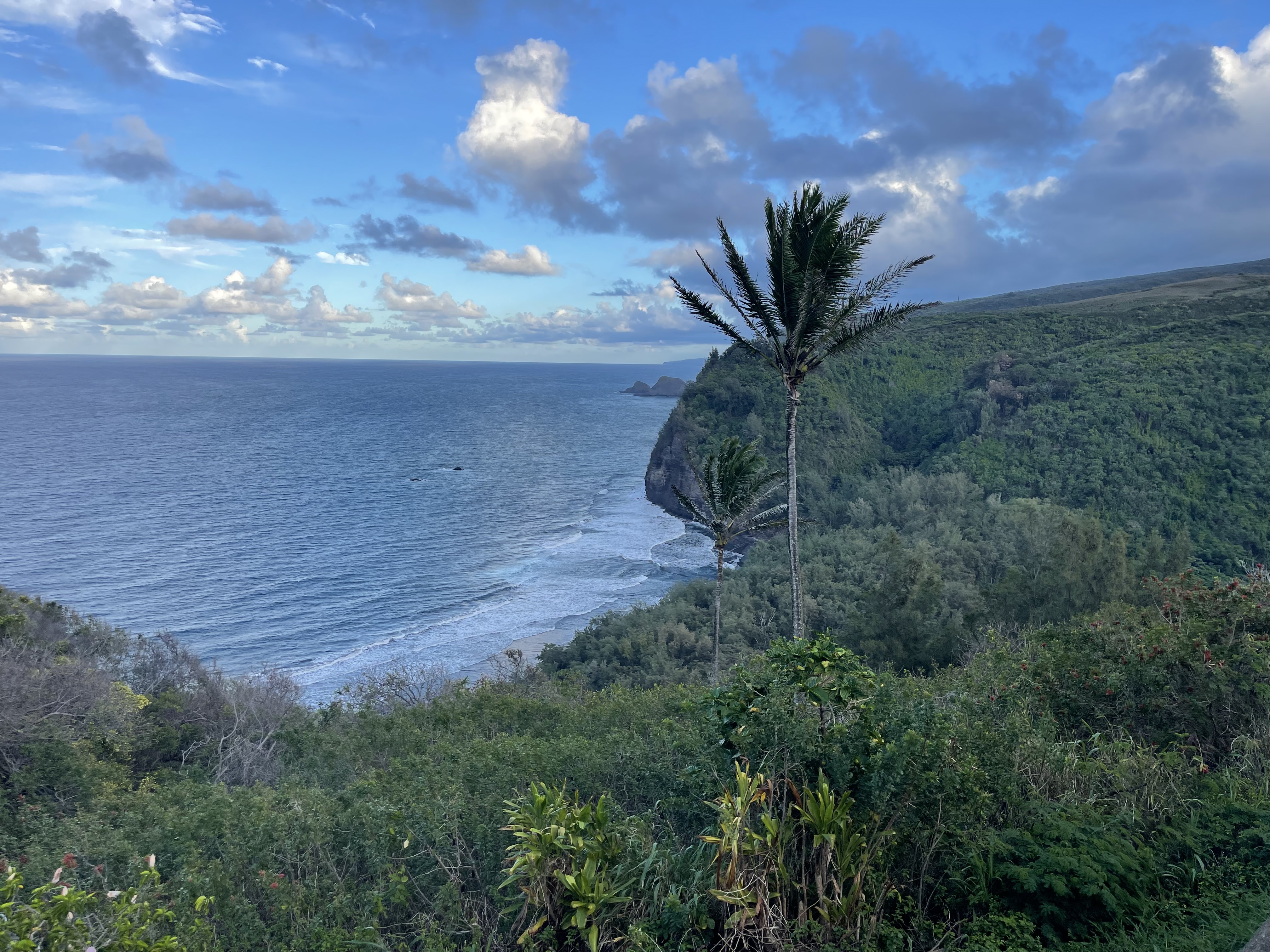
A Guide to the Best Big Island Surfing Spots for Every Level
While not as famous as Oʻahu, the Big Island offers uncrowded and unique surfing experiences. Our guide covers the best spots for beginners, intermediates, and experts.
The Big Island of Hawaiʻi might be famous for its active volcanoes and dramatic landscapes, but what about its surf scene? Let's be honest: it doesn't have the global reputation of Oʻahu's North Shore. But that's precisely its charm. Here, you'll find fewer crowds, a laid-back vibe, and a variety of waves breaking over lava rock and pockets of sand, offering a unique surfing experience for those willing to explore.
This guide is your on-the-ground introduction to Big Island surfing. We’ll cover the best spots for every skill level, from your very first lesson to more advanced breaks, plus essential tips on safety and local etiquette.
Understanding Big Island Surf Conditions
The island's sheer size and orientation mean surf conditions vary dramatically between coasts and seasons. Unlike other islands defined by a clear 'North Shore' or 'South Shore,' the Big Island's coasts—Kona (west), Kaʻū (south), Puna (east), and Hāmākua/Kohala (north)—each get different swell exposures.
- Kona Coast (West): This is the leeward side, generally calmer and sunnier. Most beginner and intermediate-friendly spots are here. It primarily picks up south and southwest swells in the summer (May-September) and wraparound northwest swells in the winter (October-April).
- Hilo Side (East): The windward coast faces the open Pacific and is exposed to powerful trade winds and north/northeast swells, especially in winter. The coastline is mostly rugged sea cliffs, but there are a few accessible breaks, like Honoliʻi, which are generally for more experienced surfers.
- The Bottom: A key feature of Big Island surfing is the prevalence of lava rock. While there are some sandy-bottom breaks perfect for learning, many spots have sharp, uneven lava reef bottoms. Booties are often a good idea, and falling is not something you want to do carelessly.
Best Beginner Surfing Spots
If you're just starting out or taking your first lesson, you need a spot with a gentle, rolling wave (a 'mushy' wave is perfect) and a forgiving bottom. The Kona coast is your destination.
Kahaluʻu Bay
Located just south of Kailua-Kona, Kahaluʻu Bay is arguably the best place on the island to learn to surf. A shallow, protected bay with a relatively sandy bottom on the inside, it offers slow, rolling waves perfect for beginners. The break is consistent and works on most days of the year.
- Wave: Gentle, slow-reforming rights and lefts.
- Best For: First-timers and longboarders.
- Hazards: Can get very crowded with snorkelers and other surfers. The bottom has some lava rock and sea urchins (wana), so shuffling your feet is wise. Pay attention to the designated surfing area.
- Lessons: Several surf schools operate directly at or near the bay, making it incredibly convenient to get a lesson and rent a board.
Pine Trees (Kohanaiki Beach Park)
Slightly north of the airport, Pine Trees is a local favorite with several different peaks spread across a long coastline. The southernmost section, near the public access entrance, often has a gentler wave suitable for confident beginners and longboarders. It's more exposed than Kahaluʻu, so the waves have a bit more energy.
- Wave: A mix of mellow peaks, can be faster than Kahaluʻu.
- Best For: Adventurous beginners ready to move beyond the nursery slopes of Kahaluʻu.
- Hazards: The bottom is a mix of sand and lava. It's a large area, so be aware of currents and other surfers. This is a very popular local spot, so be extra respectful in the water.
Intermediate Surfing Spots
Once you can consistently catch waves, turn, and have good ocean awareness, you can start exploring some of Kona's classic reef breaks. These spots require more skill to navigate the wave and the crowd.
Banyans
Just south of Kailua-Kona, Banyans is one of the most famous and consistent waves on the Big Island. It's a high-performance right-hander that breaks over a shallow reef. The wave is fast, hollow, and can get powerful, offering sections for carves and the occasional barrel. This is a competitive spot dominated by talented local surfers.
- Wave: Fast, hollow right-hander. There is also a left that breaks on bigger swells.
- Best For: Shortboarders, confident intermediate to advanced surfers.
- Etiquette: This is crucial. Do not paddle out here unless you understand surf etiquette. Wait your turn, don't drop in, and show respect. It's best to watch from the wall for a while to understand the lineup.
- Hazards: Shallow, sharp reef. Sea urchins. Strong local vibe.
Lymans (Kailua Bay)
Lyman's is a classic Kona surf spot known for its long, user-friendly left-hand wave that breaks over a lava reef. It's a favorite among longboarders and stand-up paddle surfers. The wave is generally mellower than Banyans, making it a good step up for intermediates. It needs a decent south or southwest swell to work well.
- Wave: A long, cruisey left-hander.
- Best For: Longboarders and intermediates.
- Hazards: The entry and exit over the lava rocks can be tricky, especially at low tide. Watch how others do it first. The inside can get shallow.
Expert & East Side Surfing
For advanced surfers, the Big Island holds many secrets. Most are fickle, hard to access, and heavily localized. We won't detail those spots here, as discovering them is part of the journey and is best done with local knowledge. Respect is paramount.
Honoliʻi Beach Park (Hilo)
On the Hilo side, Honoliʻi is the main surfing hub. The wave breaks at the mouth of the Honoliʻi River and offers powerful, often hollow lefts and rights. It's a beautiful spot, but the water quality can be questionable after heavy rains, and the currents can be strong. It picks up north and northeast winter swells and is not for the inexperienced.
- Wave: Powerful and often fast river mouth break.
- Best For: Experienced surfers comfortable in strong currents and powerful waves.
- Hazards: Strong currents, sharks are sometimes seen near the river mouth, and a competitive local crowd.
Surf Schools and Rentals
You'll find the vast majority of surf schools and rental shops along the Kona Coast, particularly in and around Kailua-Kona. Taking a lesson is highly recommended if you're a first-timer.
- Lessons: A good instructor will teach you not just how to stand up, but also about ocean safety, wave dynamics, and etiquette. Most lessons last 1.5 to 2 hours and include board rental.
- Rentals: If you already know how to surf, you can rent boards by the hour, day, or week from numerous shops in town. They offer everything from soft-top longboards to high-performance shortboards.
- Planning Your Trip: For those looking to build a complete Hawaiʻi vacation package that includes activities like surfing lessons, bespoke travel planners like https://highendhawaii.com can help arrange logistics and accommodations for a seamless trip.
Surf Etiquette and Safety
Surfing in Hawaiʻi comes with a responsibility to be safe and respectful. The ocean is powerful, and the local surf culture is well-established. According to the State of Hawaiʻi's Division of Boating and Ocean Recreation, understanding your limits is the first rule of ocean safety.
- Right of Way: The surfer closest to the breaking part of the wave (the peak) has the right of way. Never 'drop in' on another surfer.
- Don't Ditch Your Board: Always maintain control of your board. A loose board is a serious hazard to others.
- Paddle Wide: When paddling back out to the lineup, paddle wide around the break zone, not through it where people are surfing.
- Respect the Locals: Local surfers have been surfing these breaks their whole lives. Be humble, wait your turn, give respect, and you will get it in return. A friendly smile and a 'hello' go a long way.
- Know Your Limits: The most important rule. If a spot looks too big, too crowded, or too advanced for you, it is. Don't paddle out. As the saying goes, "When in doubt, don't go out."
Surfing on the Big Island is a rewarding adventure that offers a different flavor from the more famous surf hubs. Start slow, respect the 'āina (land) and the kai (sea), and you'll be rewarded with some of the most memorable waves of your life.
Related Reading
- A Guide to Kona's Best Beaches: /blog/kona-coast-beaches-guide
- Essential Ocean Safety Tips for Hawaiʻi: /blog/hawaii-ocean-safety-guide
- Snorkeling at Kahaluʻu Bay: /blog/kahaluu-bay-snorkeling-guide