Two Step Beach, Hōnaunau: A Guide to Big Island Snorkeling
Known locally as Hōnaunau Bay or Paeʻa, 'Two Step' offers some of the most vibrant and accessible snorkeling on the Big Island, right next to a sacred national park.
Hōnaunau Bay, known colloquially as 'Two Step,' is consistently ranked among the best snorkeling spots not just on the Big Island, but in all of Hawaiʻi. Its calm, clear waters teem with life, and its unique lava rock entry gives the place its famous nickname. Situated next to the sacred Puʻuhonua o Hōnaunau National Historical Park, a visit here is as much a cultural experience as it is a natural one.
This guide covers everything you need to know for a safe and memorable snorkel at Two Step, from parking and water entry to the incredible marine life you can expect to see. While it’s a truly world-class location, it’s not a theme park; knowing what to expect is key to a great day.
What and Where is Two Step?
Two Step isn't a sandy beach, but a smooth, flat expanse of pāhoehoe lava rock that slopes gently into the sea. The nickname comes from two natural steps carved into the rock at a convenient entry point, which allow snorkelers to put on their fins and slip directly into deep, protected water. The official Hawaiian name for this specific entry point is Paeʻa.
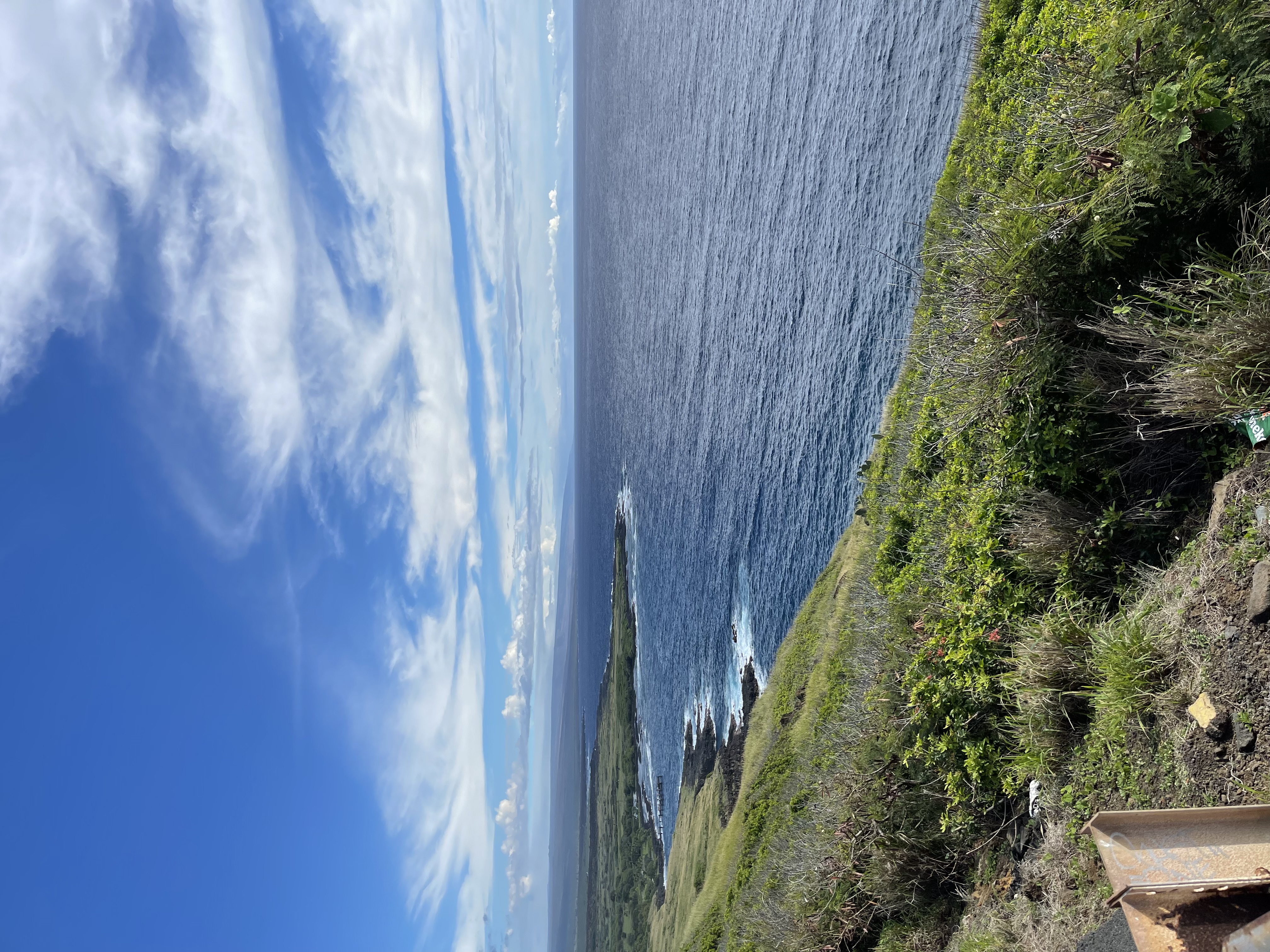
The spot is located at the northern end of Hōnaunau Bay on the Kona coast, approximately 22 miles south of Kailua-Kona. The bay itself is a designated marine life conservation district, which means its coral and fish populations are exceptionally healthy and abundant.
Getting There & Parking
Driving south from Kailua-Kona on Highway 11, you'll turn right onto Highway 160 (Keala o Keawe Road). Follow this scenic road for about 3.5 miles down towards the ocean. Just before you reach the entrance to the National Park, you'll see a small one-way road on the right (Hōnaunau Beach Road). This road runs alongside the snorkel spot.
Parking is the biggest challenge at Two Step. Here are your options:
- Street Parking: There is very limited free parallel parking along the narrow, one-way Hōnaunau Beach Road. These spots fill up extremely early, often before 8:00 AM.
- Paid Lots: Local families operate several informal paid parking lots across the street. For a fee, typically around $5-$10 cash, you can park in their yards. This is the most reliable option and supports the local community.
- National Park Parking: You can park inside Puʻuhonua o Hōnaunau National Historical Park by paying the park entrance fee. This is a great option if you plan to visit the park anyway (which you should). From the visitor center parking lot, it's a short 5-minute walk north to the snorkel area.
Our advice: Arrive early. Getting there before 9:00 AM gives you the best chance at finding parking and enjoying the calmest ocean conditions.
The Snorkeling Experience at Hōnaunau Bay
Two Step offers a fantastic underwater landscape, but it’s best suited for those comfortable in the water.
Entering the Water: "The Two Steps"
The main entry point is the famous 'two step' ledge. Sit down on the rock, put on your mask and fins, and slide in. The water here is immediately about 8-10 feet deep and gets deeper quickly. This is the easiest and most common way to enter and exit.
For less confident swimmers or families with kids, there's a shallow, protected pool just to the south (left) of the main entry. It's a sandy-bottomed cove, perfect for getting used to your gear. Be mindful of sea urchins (wana) on the rocks in this area.
What You'll See: Marine Life
The underwater world here is spectacular.
- Coral: The bay features large, intricate coral gardens, especially in the shallower areas to the right and left of the entry point. You'll see cauliflower coral, lobe coral, and rice coral creating a complex habitat.
- Fish: Expect to see huge schools of yellow tang, parrotfish (uhu), butterflyfish, Moorish idols, convict tangs (manini), and the occasional moray eel peeking from a crevice. The sheer number of fish is what makes Hōnaunau so special.
- Turtles (Honu): Green sea turtles are very common residents of the bay. You can often find them feeding on seaweed in the shallows or resting on the bottom. Remember to give them space; it is illegal to touch, chase, or harass them.
- Spinner Dolphins (Naiʻa): Hōnaunau Bay is a known resting place for pods of Hawaiian spinner dolphins. They often come into the bay in the mid-morning after hunting offshore at night. While it's an incredible sight, it's critical to observe them from a distance. Federal law, as outlined by NOAA, requires you to stay at least 50 yards away from them to allow them to rest undisturbed.
Water Conditions and Safety
- No Lifeguards: You are on your own here. Never snorkel alone and always keep an eye on your partner.
- Calm Mornings: The water is typically glass-calm in the morning. Winds and swell can pick up in the afternoon, making entry and exit more difficult.
- Depth: This is a deep-water snorkel. The center of the bay can be over 100 feet deep. It's best for confident swimmers. Flotation devices are recommended for those who are less experienced.
- Slippery Rocks: The lava rock can be very slippery when wet. Use caution when walking around the entry points.
Essential Tips for Your Visit
- Arrive Early: Aim for 8 AM to secure parking and enjoy calm seas.
- Bring Your Gear: There are no rental shops on-site. Bring your own mask, snorkel, and fins.
- Use Reef-Safe Sunscreen: To protect the fragile coral ecosystem, please only use mineral-based (zinc oxide or titanium dioxide) sunscreen. The State of Hawaiʻi has banned the sale of sunscreens containing oxybenzone and octinoxate.
- No Facilities: There are no restrooms, showers, or water fountains at the snorkel spot itself. Portable toilets are sometimes available near the paid parking lots. Full facilities are available inside the adjacent national park.
- Pack In, Pack Out: Bring plenty of water and snacks. There are no food vendors. Please take all of your trash with you to keep the area pristine.
- Respect the Place: This is a sacred area for Native Hawaiians. Be respectful, keep your voice down, and tread lightly.
Puʻuhonua o Hōnaunau National Historical Park
You cannot visit Two Step without also experiencing Puʻuhonua o Hōnaunau. This park protects one of Hawaiʻi's most significant cultural sites. For centuries, it was a place of refuge for ancient Hawaiian lawbreakers (kapu breakers) and defeated warriors. If they could reach the puʻuhonua, they would be absolved by a priest and could return to society.
Pay the park entrance fee (which is valid for 7 days) and take the self-guided walking tour. You'll see the massive Great Wall, reconstructed temples (heiau), fierce-looking kiʻi (wooden statues), and the Hale o Keawe, a sacred mausoleum that once held the bones of 23 high chiefs.
According to the National Park Service (NPS), the park preserves a vital piece of Hawaiian culture and history. Taking an hour to walk through the grounds provides profound context to the beautiful bay next door. Exploring the park is an essential part of any Big Island itinerary.
Related Snorkel Spots
- Kealakekua Bay: Another world-class snorkel spot just north of Hōnaunau. The water clarity and coral at the Captain Cook monument are unmatched, but it's only accessible via boat tour, kayak, or a strenuous hike.
- Best Kona Beaches: If you're looking for a sandy beach combined with good snorkeling, consider Kahaluʻu Beach Park, which is more beginner-friendly than Two Step.
- Big Island Snorkeling Guide: Explore our complete list of the best places to get in the water around the island.