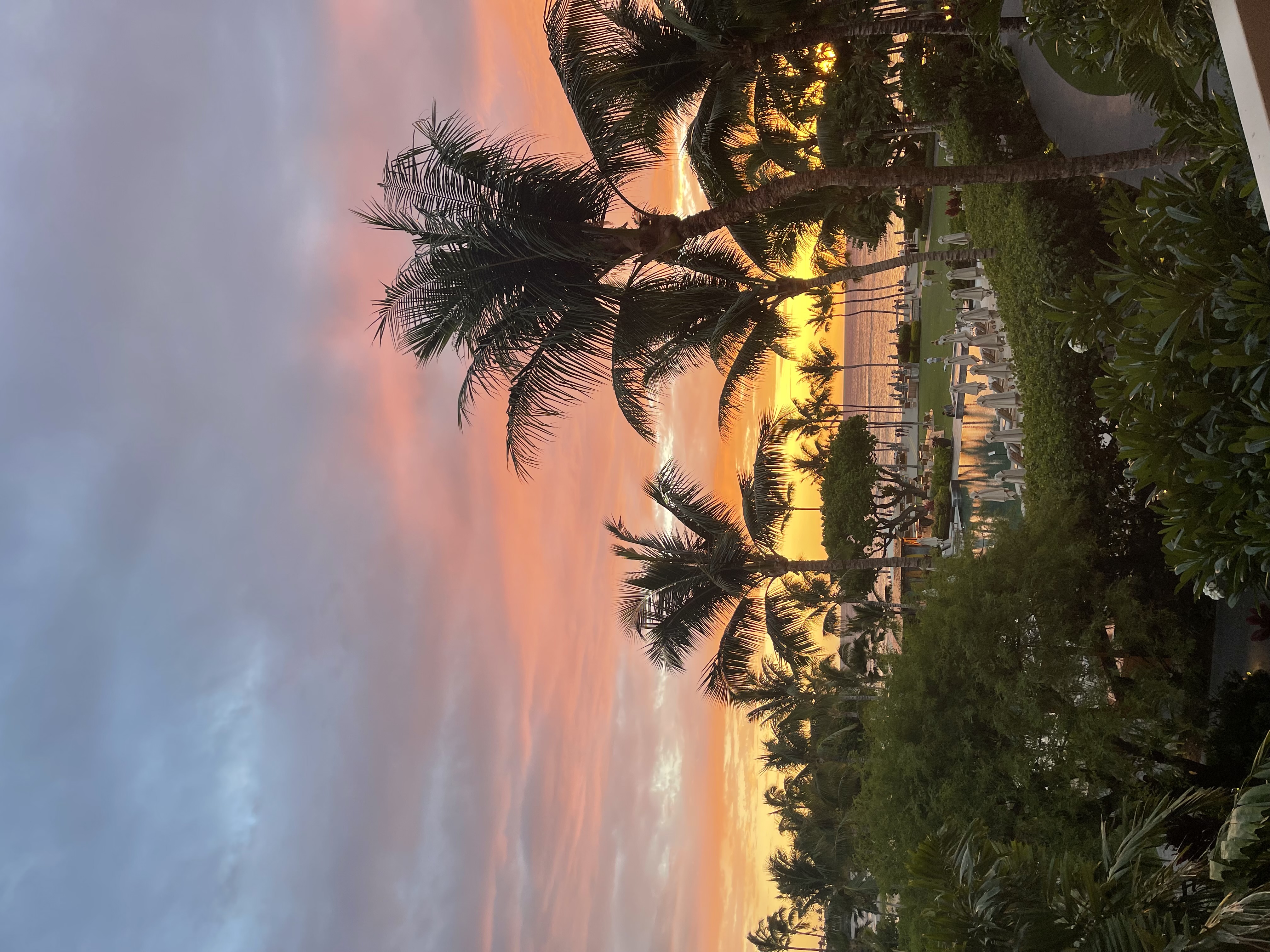
The Ultimate Big Island Packing List: What You Actually Need
Packing for the Big Island can be tricky. With its 8 distinct climate zones, you'll need more than just a swimsuit. Here’s what you actually need to bring.
Packing for Hawaiʻi seems simple, right? Swimsuit, shorts, aloha shirt, done. But the Big Island isn't just any island—it's a world unto itself, containing eight of the world's thirteen climate zones. You can sunbathe on a black sand beach in the morning and find yourself shivering near a frosty volcano summit in the afternoon. A smart packing list is your key to a comfortable, adventure-ready trip, ensuring you're prepared for everything from humid rainforest hikes to breezy coastal evenings.
This guide cuts through the noise, focusing on what you truly need for a visit to the island of Hawaiʻi. We'll cover the essentials for beach-going, volcano-viewing, and everything in between, so you can spend less time worrying about your luggage and more time soaking in the magic.
The Golden Rule: Layers Are Everything
If you take away one piece of advice, let it be this: pack layers. The temperature difference between the coast and the island's interior can be dramatic. It might be a balmy 85°F (29°C) in Kailua-Kona, but a cool 60°F (15°C) in Volcano Village, just an hour's drive away. Add wind or rain, and it feels even colder.
- Base Layer: Start with lightweight, breathable t-shirts or tank tops.
- Mid-Layer: Add a long-sleeved shirt, light fleece, or sweatshirt. This is perfect for evenings, high-elevation hikes, or overly air-conditioned restaurants.
- Outer Layer: A waterproof, wind-resistant rain jacket is non-negotiable. It will be your best friend in the lush, rainy Hilo and Hāmākua Coast regions and provide crucial warmth at higher elevations.
This layering strategy allows you to adapt on the fly, whether you're chasing waterfalls on the east side or stargazing on Mauna Kea.
Clothing Essentials for All Climates
Beyond layers, your day-to-day clothing should prioritize comfort and versatility. The vibe on the Big Island is overwhelmingly casual.
- T-shirts & Tank Tops (4-5): Breathable fabrics like cotton or moisture-wicking blends are ideal.
- Shorts (2-3 pairs): You'll live in these.
- Long Pants (1-2 pairs): One pair of comfortable hiking pants or leggings and another pair of casual pants (like linen or light cotton) for cooler evenings or nicer dinners.
- Swimsuits (2): One to wear while the other dries.
- Underwear & Socks: Pack more than you think you'll need, especially if you're active. Quick-dry hiking socks are a plus.
- A Nicer Outfit: While not essential, one “aloha-casual” outfit (a sundress, maxi skirt, or a button-down/polo shirt with nice slacks) is useful for a special dinner. There's no need for formal wear.
- Pajamas: Something lightweight for the coast, but you might be glad for warmer pajama pants if you're staying in Volcano or Waimea.
Footwear: From Flip-Flops to Hiking Boots
Your feet will cover a lot of ground, from sandy beaches to rugged lava fields. Bringing the right shoes is critical.
- Slippers (Flip-Flops): This is the official footwear of Hawaiʻi. You'll wear them everywhere—to the beach, the store, and casual eateries.
- Sturdy Walking Shoes or Trail Runners: Essential for walking around towns, exploring farmer's markets, and tackling moderate trails. If you can only bring one pair of closed-toe shoes, make it these.
- Water Shoes or Aqua Socks: A game-changer for rocky shorelines and snorkeling entries. They protect your feet from sharp lava rock and coral.
- Hiking Boots (Optional but Recommended): If you plan on serious hiking in places like Hawaiʻi Volcanoes National Park or Waipiʻo Valley, broken-in hiking boots with ankle support are highly recommended. The terrain can be uneven and unforgiving.
| Shoe Type | Best For | Essential? |
|---|---|---|
| Slippers (Flip-Flops) | Beach, pool, casual errands | Yes |
| Sturdy Walking Shoes | Town exploration, light trails, everyday use | Yes |
| Water Shoes | Rocky beaches, snorkeling, waterfall pools | Recommended |
| Hiking Boots | Serious hiking on lava/uneven terrain | For avid hikers |
Beach & Ocean Gear
While you can rent or buy most things here, bringing a few key items will save you time and money.
- Reef-Safe Sunscreen: This is crucial. The State of Hawaiʻi has banned the sale of sunscreens containing oxybenzone and octinoxate to protect our fragile coral reefs. Look for mineral-based sunscreens with zinc oxide or titanium dioxide. Please respect our ʻāina (land) and apply it liberally and often.
- Rash Guard: Provides excellent sun protection (UPF 50+) for long snorkeling sessions, reducing your need for sunscreen and protecting you from board rash.
- Sun Hat & Sunglasses: The tropical sun is intense. A wide-brimmed hat and polarized sunglasses are must-haves.
- Reusable Water Bottle: Stay hydrated and reduce plastic waste. Water refill stations are common at airports and national parks.
- Beach Towel: While most hotels and condos provide them, a lightweight, quick-dry travel towel is great for impromptu beach stops.
- Daypack or Beach Bag: To carry all your essentials.
Hiking & Adventure Equipment
For those planning to explore the island's incredible trails and natural wonders, a few extra items will make your adventures safer and more enjoyable.
- Daypack: A comfortable backpack to hold your water, snacks, layers, and first-aid kit.
- Headlamp or Flashlight: Essential for exploring lava tubes like the Thurston Lava Tube (Nāhuku) or for any sunrise/sunset hikes. A headlamp is also required for night snorkeling with manta rays.
- Binoculars: Great for spotting distant whales (in winter), dolphins, and the incredible birdlife in places like the Hakalau Forest National Wildlife Refuge.
- Basic First-Aid Kit: Band-aids, antiseptic wipes, pain relievers, and blister treatment. You can buy a pre-made kit or assemble your own.
- Insect Repellent: Mosquitoes can be present in wet, windless areas, especially on the Hilo side. A good repellent is wise, particularly for rainforest hikes.
Health & Safety
- Prescription Medications: Bring enough for your entire trip, plus a few extra days, in their original containers.
- Motion Sickness Medication: If you're prone to seasickness (for boat tours) or carsickness (for winding roads like the road to Waipiʻo Valley lookout), pack some Dramamine or ginger chews.
- Aloe Vera Gel: In case you get a little too much sun, though it's also widely available for purchase on the island.
Electronics & Practical Items
- Portable Power Bank: Invaluable for keeping your phone charged during long days of navigating and taking photos.
- Camera & Extra Batteries/Memory Cards: The scenery is breathtaking.
- Waterproof Phone Case: For peace of mind near the water.
- Copy of Important Documents: A digital or physical copy of your ID, flight confirmation, and rental car info.
- A Good Book: For relaxing on the lānai or the beach.
What to Leave at Home
Packing light makes travel easier. Here are a few things you almost certainly won't need.
- Heavy Coats and Winter Gear: Unless you are a professional planning a summit expedition on Mauna Kea in winter, your fleece and rain jacket are sufficient. Note: Commercial tours to the summit often provide parkas.
- Fancy Jewelry: It's unnecessary and can attract unwanted attention.
- Single-Use Plastics: Help us protect our island home by avoiding disposable water bottles and plastic bags.
- Too Many Shoes: Stick to the versatile essentials listed above.
- Fruit & Vegetables: To protect local agriculture from invasive species, there are strict rules about bringing fresh produce into Hawaiʻi. It's best to buy local and support our farmers!
By packing strategically, you'll be ready for any adventure the Big Island throws your way. Now, get packing and prepare for an unforgettable journey. For more planning resources, check out our Big Island Itineraries.