The Perfect Big Island 5-Day Itinerary: A Practical Guide
Five days on Hawaiʻi Island can feel short, but with a smart plan, you can experience its incredible diversity. This itinerary shows you how to see volcanoes, beaches, and coffee country without feeling rushed.
The Big Island is, well, big. Its sheer scale and diversity—from fiery volcanoes and lush rainforests to stark lava fields and sunny beaches—can be overwhelming. Tackling it in just five days requires a solid plan. This itinerary is designed to give you a meaningful taste of the island's distinct regions by minimizing backtracking and maximizing your experience. You won't see everything, but you will leave with a deep appreciation for the unique magic of Hawaiʻi Island.
Our strategy revolves around splitting your stay between the dry, sunny west side (Kona/Kohala) and the lush, tropical east side (Hilo/Volcano). This is the single most important tip for a short trip. Trying to base yourself in one location will result in hours of driving each day. A rental car isn't just recommended; it's essential.
Day 1: Arrival & Kohala Coast Sunsets
Morning/Afternoon: Arrival in Kona
Your adventure begins at Kona International Airport (KOA), a charming airport with open-air terminals that immediately puts you in a vacation mindset. Pick up your rental car and get ready to explore. For this itinerary, we recommend heading north from the airport.
Drive about 30-45 minutes north toward the Kohala Coast. This area is known for its world-class resorts, stunning beaches, and consistently sunny weather. After checking into your hotel or vacation rental, it's time to hit the beach.
Late Afternoon: Beach Time
- Hāpuna Beach State Recreation Area: A sprawling, half-mile-long white sand beach that regularly tops "best beach" lists. The shore break can be powerful, especially in winter, but when it's calm, it's perfect for swimming and sunbathing. A small entry and parking fee applies for non-residents.
- Kaunaʻoa Beach (Mauna Kea Beach): A picture-perfect crescent of sand with calmer waters ideal for swimming and snorkeling. Public access is limited, so arrive early to get one of the coveted public parking passes at the Mauna Kea Beach Hotel gate.
Evening: Dinner on the Coast
Grab dinner at one of the many restaurants within the Waikoloa Beach Resort or Mauna Lani Resort. From casual eateries to fine dining, you'll find plenty of options with ocean views, perfect for watching your first Big Island sunset.
Day 2: Historic North Kohala & Valley Views
Morning: Pololū Valley
Today you'll explore the northernmost tip of the island. Drive north on Highway 270 until the road ends at the Pololū Valley Lookout. The view of the dramatic, emerald-green cliffs plunging into the sea is breathtaking. For the adventurous, a steep but short (0.6 miles round-trip) trail leads down to the valley's black sand beach. The hike back up is strenuous, and swimming at the beach is not recommended due to strong currents.
Midday: Artsy Towns & Royal History
On your way back from the lookout, spend some time in the charming, historic towns of Hāwī and Kapaʻau. These former sugar plantation towns are now home to eclectic art galleries, boutiques, and excellent lunch spots.
In Kapaʻau, make a stop to see the original King Kamehameha I statue. It has a fascinating history—it was lost at sea and later recovered before a replica was cast for Honolulu.
Afternoon: Snorkeling and Relaxation
Head back south for an afternoon of snorkeling or relaxing. Lapakahi State Historical Park offers decent snorkeling and a chance to explore a partially restored ancient Hawaiian fishing village. Otherwise, simply return to your favorite beach from Day 1 to soak up more sun.
Day 3: Kona Coffee & Sacred History
Morning: Coffee Country
Check out of your Kohala accommodation and drive south, past Kailua-Kona, into the upland slopes of Hualālai and Mauna Loa. This is the heart of the Kona coffee belt. The Māmalahoa Highway (Highway 11) is dotted with dozens of small, family-run coffee farms offering tours and tastings. Spend your morning learning about the bean-to-cup process and sampling some of the world's most sought-after coffee right at the source.
Afternoon: Puʻuhonua o Hōnaunau
Continue south to Puʻuhonua o Hōnaunau National Historical Park. This beautifully restored site was a place of refuge for ancient Hawaiians who broke kapu (sacred laws). According to the National Park Service (NPS), defeating warriors and non-combatants could also find sanctuary here. Walk the grounds to see the Great Wall, fierce kiʻi (wooden carved images), and thatched structures. It's a powerful and peaceful place to connect with Hawaiian culture.
Afterward, consider an activity at nearby Kealakekua Bay, a world-class snorkeling spot and site of the Captain Cook monument. Accessing the best snorkeling area on your own is difficult, so joining a boat or kayak tour is the best option.
Evening: Check-in Near the Volcano
Begin the drive east toward your next base. Tonight, you'll stay in either Volcano Village or Hilo. Volcano Village is a tiny, rustic town right outside the entrance to Hawaiʻi Volcanoes National Park, offering a unique rainforest B&B experience. Hilo, a larger coastal city, offers more lodging and dining options.
Day 4: Hawaiʻi Volcanoes National Park
All Day: Exploring Kīlauea
Dedicate today to exploring the power and majesty of Hawaiʻi Volcanoes National Park. Start at the Kīlauea Visitor Center for the latest eruption updates, safety advisories, and ranger-led program schedules. The park's landscape is constantly changing, so what you see will be unique to your visit.
Must-Do Activities:
- Kīlauea Iki Crater Trail: A spectacular 4-mile loop that takes you across the floor of a solidified lava lake.
- Steam Vents & Steaming Bluff: Witness groundwater heated by magma seeping to the surface as vast clouds of steam.
- Chain of Craters Road: A stunning 38-mile round-trip drive that descends 3,700 feet to the coast. The road passes numerous craters and historic lava flows, ending where a 2003 flow covered the road. Look for the Hōlei Sea Arch at the end.
- Lava Viewing: If there is an active eruption, the park will have designated viewing areas. According to the U.S. Geological Survey (USGS), Kīlauea is one of the world's most active volcanoes. Viewing conditions can change rapidly. Seeing glowing lava at night is an unforgettable experience.
Dress in layers. The summit of Kīlauea is at 4,000 feet elevation and can be cool, rainy, and windy, even when it's sunny in Kona.
For a truly special stay, consider booking far in advance at a property like those found on https://highendhawaii.com, which can offer unparalleled comfort after a long day of hiking.
Day 5: Hilo's Waterfalls & Departure
Morning: East Side Beauty
Spend your final morning exploring the lush beauty of the Hilo area. This side of the island receives abundant rainfall, resulting in spectacular waterfalls and tropical gardens.
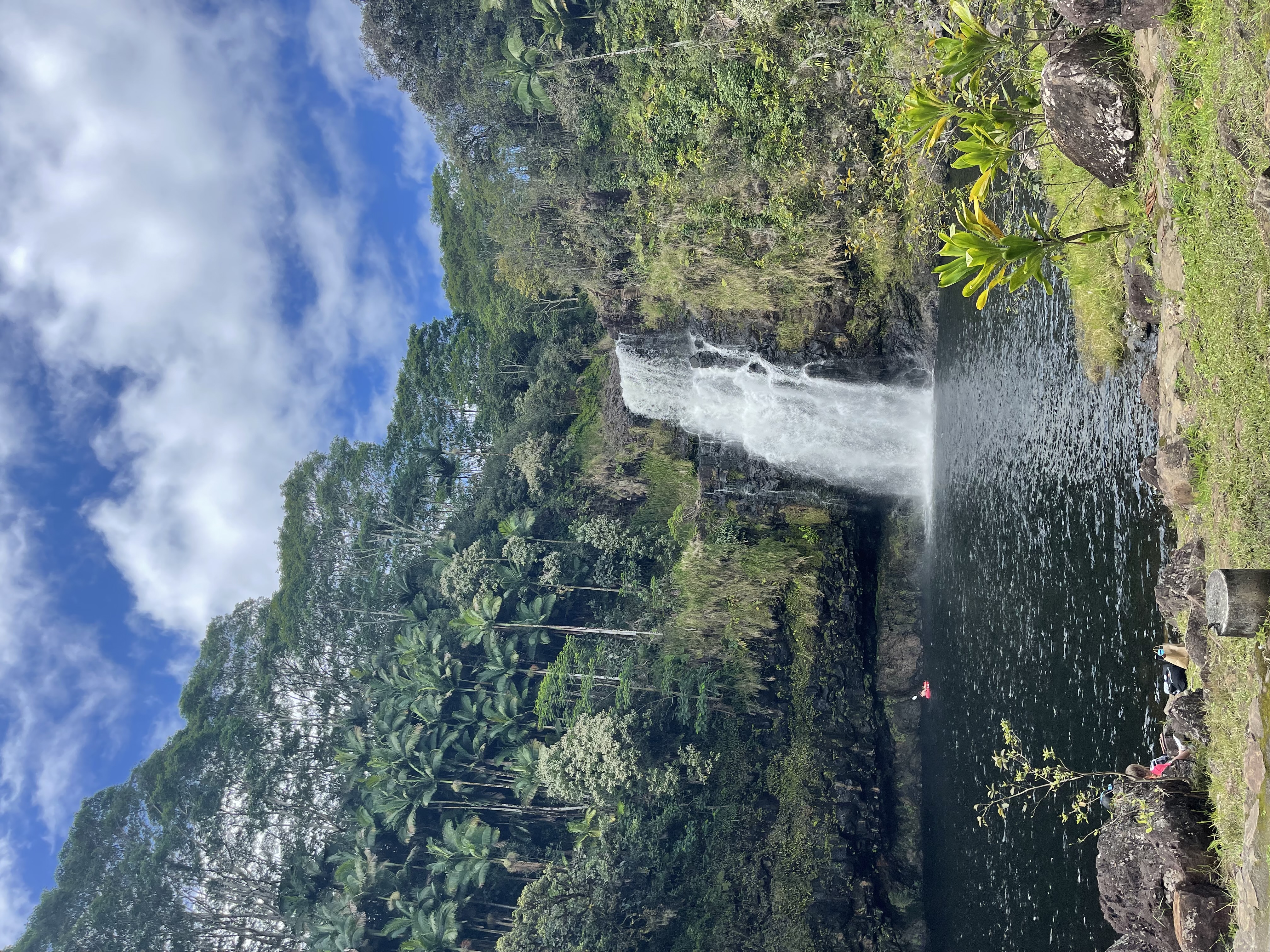
- Rainbow Falls (Waiānuenue): Located just a few minutes from downtown Hilo, this powerful 80-foot waterfall is best viewed in the morning when you might see a rainbow in its mist.
- Wailuku River State Park: Head a bit further up the river to see the Boiling Pots, a series of turbulent pools and small cascades.
- Liliʻuokalani Gardens: Take a peaceful stroll through this beautiful 24-acre Japanese garden, located on Hilo's Banyan Drive.
Afternoon: Departure
Grab a final lunch in Hilo and do some last-minute souvenir shopping.
For the most efficient use of time, we highly recommend booking your departing flight from Hilo International Airport (ITO). This saves you the 2-hour drive back across the island to Kona. If you must fly out of KOA, be sure to allow at least 3 hours for the drive and airport check-in process.
Related Guides: