Kona vs. Hilo: Where to Stay on Hawaiʻi's Big Island
This is the classic Big Island dilemma: the sunny, resort-filled Kona side or the lush, jungle-like Hilo side? We break down the differences in weather, activities, and vibe to help you choose your home base.
Choosing where to stay on the Big Island boils down to one fundamental question: Kona or Hilo? These two towns represent the incredible diversity of Hawaiʻi Island, sitting on opposite coasts and offering vastly different experiences. One is a sun-drenched tourist hub with world-class beaches, while the other is a lush, historic city nestled against rainforests and waterfalls. Making the right choice is key to crafting your perfect Big Island vacation.
There’s no single “best” answer, but there is a best choice for you. This guide breaks down the essential differences between the Kona and Hilo districts to help you decide where to plant your feet.
Overview: The Two Sides of the Big Island
Think of the Big Island as a place of twos. Two major volcanoes, Mauna Kea and Mauna Loa, create a massive barrier that splits the island's climate and culture.
-
The Kona Side (West): Located on the leeward (sheltered) side, the Kailua-Kona area and the adjacent Kohala Coast are famous for their dry, sunny weather. This is where you'll find the lion's share of the island's resorts, condos, sunny beaches, and tourism infrastructure. It's polished, convenient, and built for visitors seeking sun and sand.
-
The Hilo Side (East): On the windward (wind-facing) side, Hilo is one of the wettest cities in the United States. All that rain sustains a breathtaking landscape of lush rainforests, cascading waterfalls, and verdant botanical gardens. Hilo is the island's capital and largest city, a working town with a quiet, local soul and a deep connection to Hawaiian culture.
Climate and Weather: Sun vs. Rain
Weather is arguably the biggest factor when choosing between Kona and Hilo. The difference is stark and directly tied to the island's topography.
Kona: The Sun-Kissed Coast
The Kona district sits in the rain shadow of Hualālai and Mauna Loa. This means the mountains block most of the incoming rain, resulting in an arid landscape with near-constant sunshine. Kailua-Kona averages only about 18 inches of rain per year, while the Kohala Coast to the north is even drier. Mornings are typically clear, with some clouds building over the mountain slopes in the afternoon. The one major downside can be "vog," or volcanic smog, from Kīlauea, which can drift to the Kona side and create hazy conditions.
Hilo: The Lush Rainforest
Hilo is the polar opposite. It receives the moisture-laden tradewinds head-on, resulting in an average of over 130 inches of rain annually. Don't let that number scare you off. It doesn't rain all day, every day. Hilo's weather often consists of overnight or early morning showers, with bouts of rain interspersed with sunshine throughout the day. It's what keeps the east side so vibrantly green. You don't come to Hilo for a tan; you come to witness the power and beauty of a tropical ecosystem in full swing.
Activities and Attractions: What's Nearby?
Your choice of home base dramatically impacts your daily drives to key attractions. The Big Island is big, and driving from one side to the other (via Saddle Road) takes nearly two hours one-way.
Basing in Kona
Kona is the epicenter for ocean activities. If your vision of Hawaiʻi involves beaches and a snorkel mask, this is your side.
- Beaches: The island's best white-sand beaches, like Hāpuna Beach State Recreation Area and Mānaiʻowai (Kua Bay), are on the Kona and Kohala Coast.
- Snorkeling & Diving: Premier snorkeling spots like Kealakekua Bay and Kahaluʻu Beach Park are here. Kona is also world-famous for its manta ray night snorkel/dive.
- Coffee Country: The slopes of Hualālai above Kona are home to hundreds of small coffee farms. Touring and tasting in Holualoa is a classic Kona activity.
- History: Puʻuhonua o Hōnaunau National Historical Park offers a powerful glimpse into ancient Hawaiian culture.
Basing in Hilo
Hilo is the gateway to the island's raw, natural wonders and a more local Hawaiian experience.
- Volcanoes: Hilo is the closest major town to Hawaiʻi Volcanoes National Park, just a 45-minute drive away. This makes it ideal for exploring Kīlauea, especially for sunrise or after-dark lava viewing (when active).
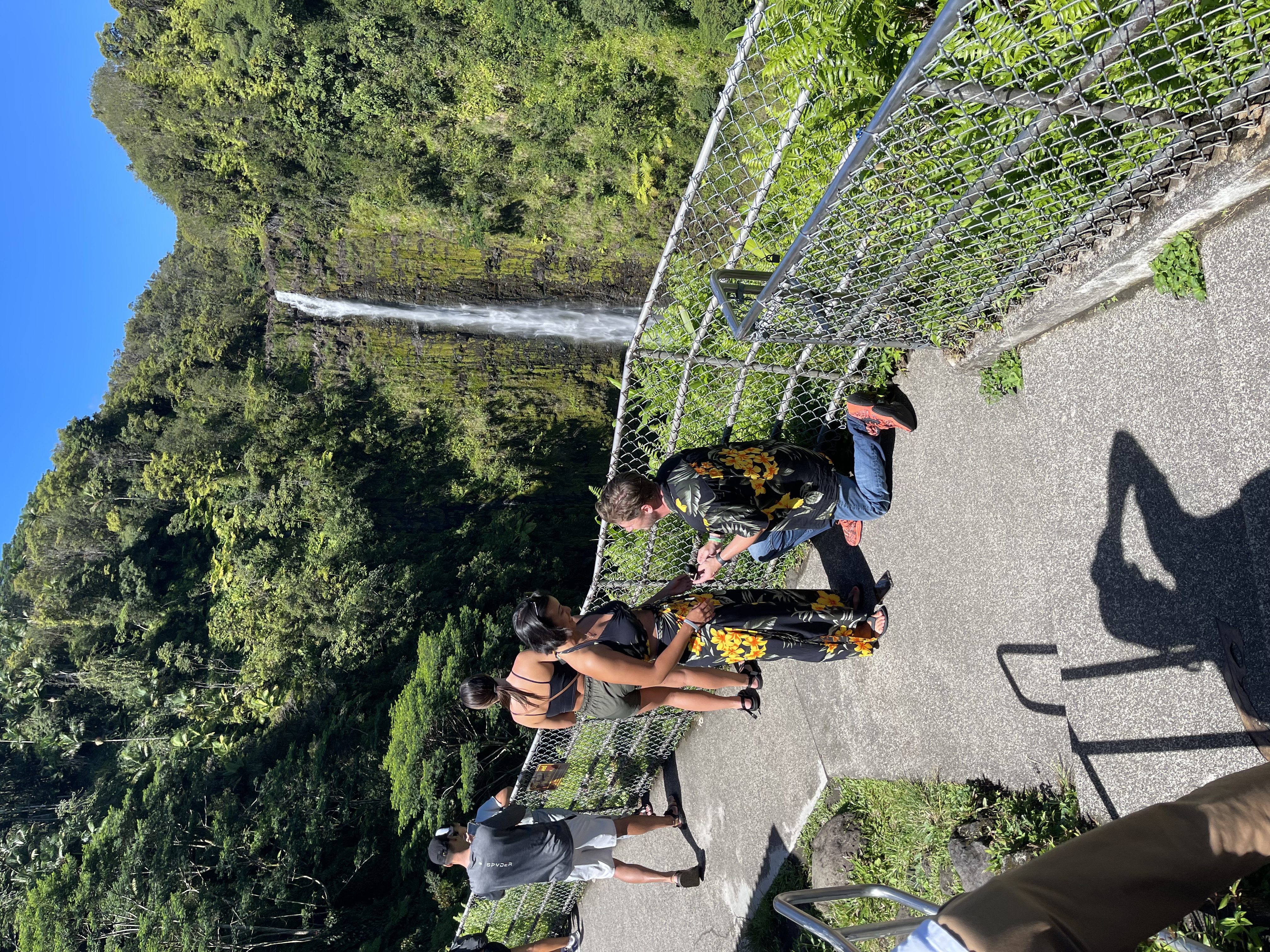
- Waterfalls: The Hilo area is home to iconic waterfalls like Rainbow Falls and Peʻepeʻe Falls. The stunning ʻAkaka Falls State Park is a short drive north.
- Gardens & Scenery: Drive the Hāmākua Coast Heritage Corridor for postcard-worthy views, or visit the Hawaiʻi Tropical Bioreserve & Garden to immerse yourself in the jungle.
- Culture: Hilo's historic downtown, Lyman Museum, and ʻImiloa Astronomy Center offer deeper cultural and scientific insights than you'll find in Kona's resort areas.
Accommodation: Resorts vs. Local Stays
The lodging options on each side reflect their overall character.
On the Kona side, especially along the Kohala Coast, you'll find sprawling, world-class luxury resorts with immaculate grounds, golf courses, and multiple pools. These are the destinations seen in glossy travel magazines. For those seeking top-tier service and amenities, explore the fine properties at High End Hawaii. In Kailua-Kona proper, the options shift to a mix of large hotels, countless vacation condos, and B&Bs. The sheer volume of choices far exceeds what you'll find in Hilo.
Hilo's accommodation scene is more modest and intimate. You won't find mega-resorts here. Instead, the landscape is dotted with historic hotels, charming bed & breakfasts, and vacation rentals tucked into residential neighborhoods. While options are more limited, they often provide a more personal and affordable experience.
Dining and Food: Tourist Hotspots vs. Local Grinds
Kona has a greater number and variety of restaurants, especially in the fine-dining category. Aliʻi Drive and the resorts offer everything from upscale Pacific Rim cuisine to familiar American fare, all geared toward visitors. It's easy to find a great meal with an ocean view.
Hilo is a food-lover's paradise for those seeking authentic, local flavors. It’s famous for the Hilo Farmers Market, a massive, vibrant market where you can sample exotic fruits and find fantastic prepared foods. The town excels at "local grinds"—plate lunches, fresh-caught fish, and ono (delicious) treats from small, family-run establishments. While it has fewer fancy restaurants, Hilo offers a true taste of modern Hawaiʻi.
The Verdict: A Comparison Table
| Feature | Kona Side (West) | Hilo Side (East) |
|---|---|---|
| Climate | Sunny, dry, arid | Rainy, humid, lush |
| Vibe | Tourist-focused, energetic, resort-style | Local, quiet, historic, nature-oriented |
| Primary Activities | Beaches, snorkeling, diving, coffee tours, sunsets | Volcano viewing, waterfalls, gardens, scenic drives |
| Accommodation | Large resorts, many condos, hotels | B&Bs, smaller hotels, vacation rentals |
| Dining | Upscale restaurants, tourist-centric | Farmers markets, local eateries, authentic flavors |
The Best Solution: The Split-Stay Strategy
If you're staying on the Big Island for a week or more, the best advice we can give is this: don't choose. Do both.
Splitting your stay—spending 3-4 nights in Kona and 3-4 nights in Hilo (or the nearby Volcano Village)—is the most efficient and enjoyable way to see the island. This strategy minimizes your driving time and allows you to fully immerse yourself in the unique character of each region.
- Use your Kona days for the beach, snorkeling, and sunshine.
- Use your Hilo/Volcano days for the national park, waterfalls, and lush east-side scenery.
By treating the Big Island as two separate destinations, you'll spend less time in the car and more time experiencing the incredible diversity that makes this island so special.