Where to Stay in Kona, Hawaiʻi: A Guide to the Best Areas
Deciding where to stay on the vast Kona coast can shape your entire vacation. We break down the key areas, from bustling Kailua Village to the serene resorts of the Kohala Coast, helping you choose the perfect home base.
The Kona coast, stretching along the western side of the Big Island, is famous for its sunny weather, world-class coffee, and deep blue waters perfect for snorkeling and diving. But “Kona” is a huge district, and choosing your home base is one of the most important decisions you'll make. Do you want to be in the middle of the action, or tucked away in a quiet, luxurious resort? Your choice will define the rhythm of your vacation.
This guide breaks down the main areas to stay on the Kona side of Hawaiʻi Island, from the historic heart of Kailua-Kona to the rural slopes of South Kona. We'll look at the pros and cons of each, so you can find the spot that's just right for you.
First, Understanding the Kona District
When people say “Kona,” they could be referring to a few different things:
- Kailua-Kona: The main town, often called Kailua Village to distinguish it from Kailua on Oʻahu.
- The Kona District: A massive land area designated by the state, divided into North Kona and South Kona.
- The Kona Side: A general term for the entire leeward (dry) side of the island, which often includes the South Kohala district to the north, home to many of the island's best beaches and resorts.
For travel planning, it's most helpful to think in terms of four distinct areas: Kailua-Kona (the town), Keauhou (just south of town), the Kohala Coast (north of the airport), and South Kona (the rural area south of Keauhou).
Kailua-Kona (Kailua Village): The Bustling Heart
Kailua-Kona is the historic and commercial heart of West Hawaiʻi. The main drag, Aliʻi Drive, runs along the waterfront, lined with shops, restaurants, bars, and historical sites like Huliheʻe Palace and Mokuʻaikaua Church. If you want to be where the action is, this is your spot.
Pros:
- Walkability: You can easily walk to dozens of restaurants, bars, and shops.
- Activity Hub: It's the launching point for many ocean tours, parades, and markets.
- Variety of Lodging: A wide range of options, from budget-friendly hotels to oceanfront condos.
- Central Location: A good base for exploring points north and south.
Cons:
- Crowds & Traffic: Aliʻi Drive can be busy, especially during peak season and Ironman week in October.
- Limited Swimming Beaches: While there are small pockets of sand, the best swimming beaches require a short drive.
- Noise: Being in the center of town can mean more noise from traffic and nightlife.
Best for: Travelers who want to be in the center of everything, enjoy nightlife and dining out, and don't mind a lively, urban atmosphere.
Keauhou: The Quieter Resort Hub
Just six miles south of Kailua-Kona, Keauhou feels a world away. This area is centered around Keauhou Bay and was historically a retreat for Hawaiian royalty. Today, it’s home to larger, more spread-out condo complexes and a few large hotels. It balances convenience with a more relaxed, spacious feel.
Pros:
- More Space: Accommodations are generally larger and more spread out than in town.
- Great Snorkeling: Keauhou Bay is a departure point for night manta ray snorkeling tours and offers good snorkeling on its own.
- Quieter Atmosphere: It's much more peaceful than Kailua-Kona, with a suburban, residential feel.
- Amenities: The Keauhou Shopping Center provides groceries, a movie theater, and several restaurants.
Cons:
- Car Dependent: You'll need a car to get to the restaurants and shops in Kailua-Kona and to visit the island's best beaches.
- Fewer Dining Options: While there's a shopping center, the variety of restaurants doesn't compare to Kailua Village.
Best for: Families, couples looking for a quieter resort experience, and anyone planning to do a manta ray snorkel tour.
The Kohala Coast: Luxury Resorts & Pristine Beaches
Stretching north from the Kona International Airport (KOA), the South Kohala district is what many people picture when they dream of a Hawaiian resort vacation. This is the sunniest, driest part of the island, blessed with stunning white-sand beaches like Hāpuna Beach and Mauna Kea Beach (Kaunaʻoa). The coastline is dotted with sprawling, world-class luxury resorts and championship golf courses.
Pros:
- Best Beaches: Home to the island's most idyllic white-sand swimming beaches.
- Guaranteed Sun: The area receives very little rainfall, making for reliable beach weather.
- Luxury & Amenities: High-end resorts offer impeccable service, beautiful pools, spas, and fine dining.
- Tranquility: Resorts are self-contained worlds, offering a peaceful and exclusive escape.
Cons:
- Expensive: This is the most expensive area to stay on the island, by a wide margin.
- Isolated: It's a significant drive to Kailua-Kona (30-45 minutes) and even further to Hawaiʻi Volcanoes National Park (2.5+ hours).
- Less Local Culture: The resort experience can feel disconnected from the rest of the island.
Best for: Honeymooners, luxury travelers, golf enthusiasts, and families who want a premium, self-contained resort experience with perfect beaches. For an unforgettable luxury stay, exploring options on the Kohala Coast is a must; many of the island's finest properties, like those found on https://highendhawaii.com, are located here.
South Kona & Captain Cook: Rural Charm and Coffee Country
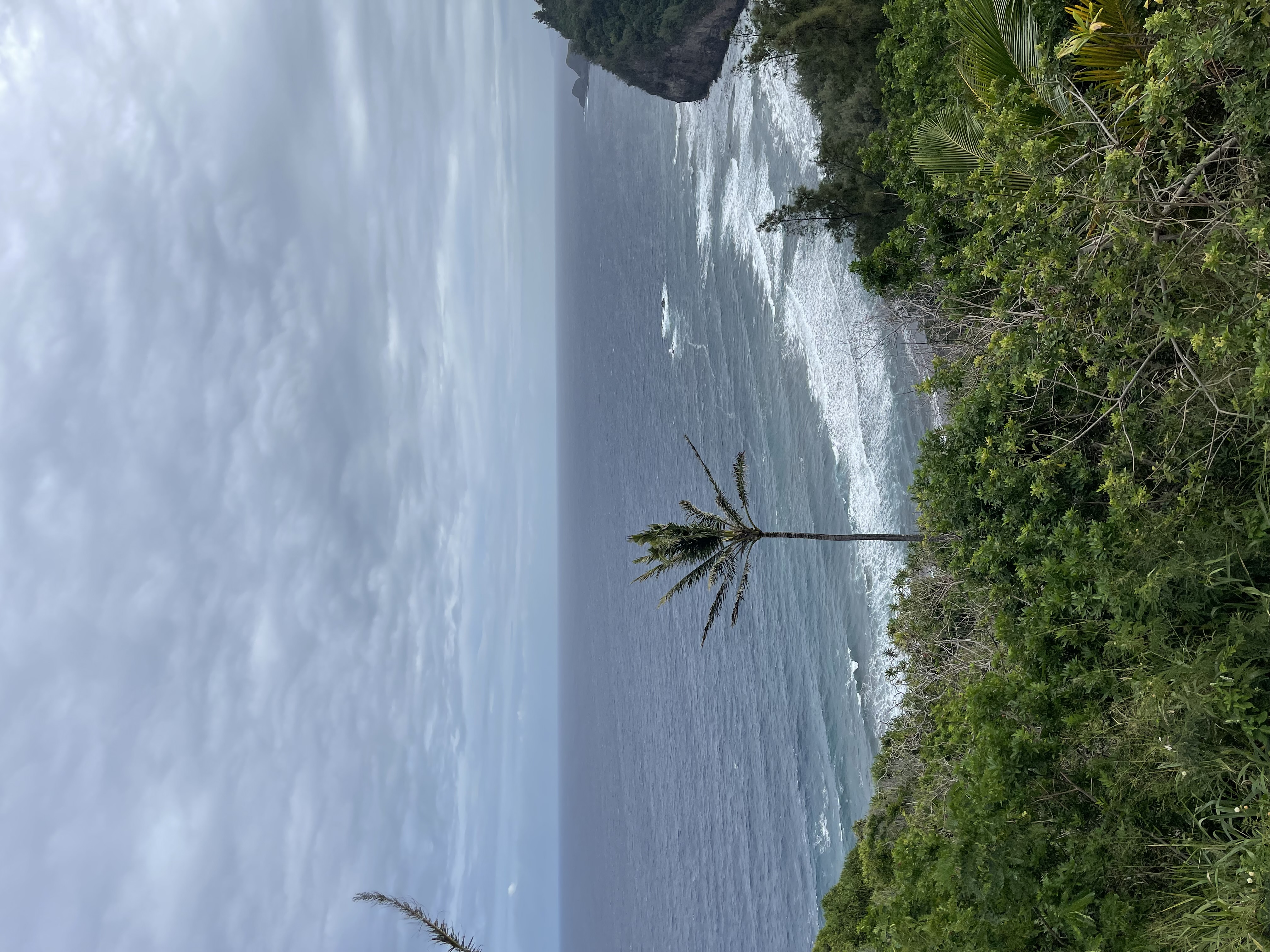
South of Keauhou, the landscape changes. The highway climbs in elevation, winding through lush vegetation, small towns like Captain Cook, and hundreds of small coffee farms. This is the heart of Kona Coffee Country. The coastline here is rugged, with steep cliffs dropping to the ocean, but it hides some of the island's best snorkeling at Kealakekua Bay and Hoʻokena Beach Park.
Pros:
- Authentic Experience: Stay among locals in a more rural, agricultural setting.
- Stunning Views: Higher elevations offer panoramic views of the coastline.
- Coffee & Snorkeling: The ideal location for coffee farm tours and accessing Kealakekua Bay.
- Cooler Temperatures: The elevation provides relief from the coastal heat.
Cons:
- Limited Services: Fewer restaurants, grocery stores, and gas stations.
- Winding Roads: The main highway is narrow and winding, and access to the coast often involves steep, challenging drives.
- Fewer Traditional Hotels: Lodging is primarily vacation rentals, small inns, and bed & breakfasts.
- Vog Prone: This area can be more susceptible to volcanic smog (vog) depending on wind patterns.
Best for: Independent travelers, return visitors seeking a different experience, snorkelers, and coffee lovers who want to escape the tourist hubs. For more on this, see our related post on /blog/exploring-kona-coffee-farms.
A Note on Volcanic Smog (Vog)
The Kona side of the island is leeward, meaning the prevailing trade winds blow volcanic gases from Kīlauea Volcano over this part of the island. This creates a haze known as “vog.” Its presence varies dramatically from day to day. According to the U.S. Geological Survey (USGS), sensitive groups (like those with asthma) should monitor air quality reports, but most visitors are not seriously affected. Sometimes it's thick, other times it's perfectly clear. It's just a unique aspect of life on an island with one of the world's most active volcanoes.
Choosing Your Accommodation Type
Once you've picked an area, consider the type of lodging that fits your travel style.
| Type | Best For | Pros | Cons |
|---|---|---|---|
| Hotels & Resorts | Convenience, Amenities | Daily housekeeping, pools, restaurants, concierge services | Can be expensive, smaller rooms, less privacy |
| Condos / Vacation Rentals | Families, Longer Stays, Budget | Kitchens, more space, separate bedrooms, often cheaper per person | No daily service, requires more self-sufficiency, check-in can be complex |
| Bed & Breakfasts (B&Bs) | Couples, Authentic Experience | Hosted by locals, unique properties, home-cooked breakfast | Fewer amenities, less privacy than a rental, variable quality |
Ultimately, there is no single “best” place to stay in Kona. The right choice depends entirely on your budget, your interests, and your vision for your Hawaiian vacation. Whether you choose the lively streets of Kailua Village or a secluded coffee farm in Captain Cook, the sunny Kona coast is an incredible place to explore.
Related Reading:
- Your Guide to the Best Snorkeling on the Kona Coast:
/blog/best-snorkeling-spots-in-kona - A 7-Day Big Island Itinerary:
/blog/big-island-7-day-itinerary