What to Wear for a Mauna Kea Summit Trip: A Practical Guide
Heading to the top of Hawaiʻi? The arctic conditions at Mauna Kea's summit demand serious preparation. Here’s a detailed packing list to ensure you stay warm and safe while taking in the otherworldly views.
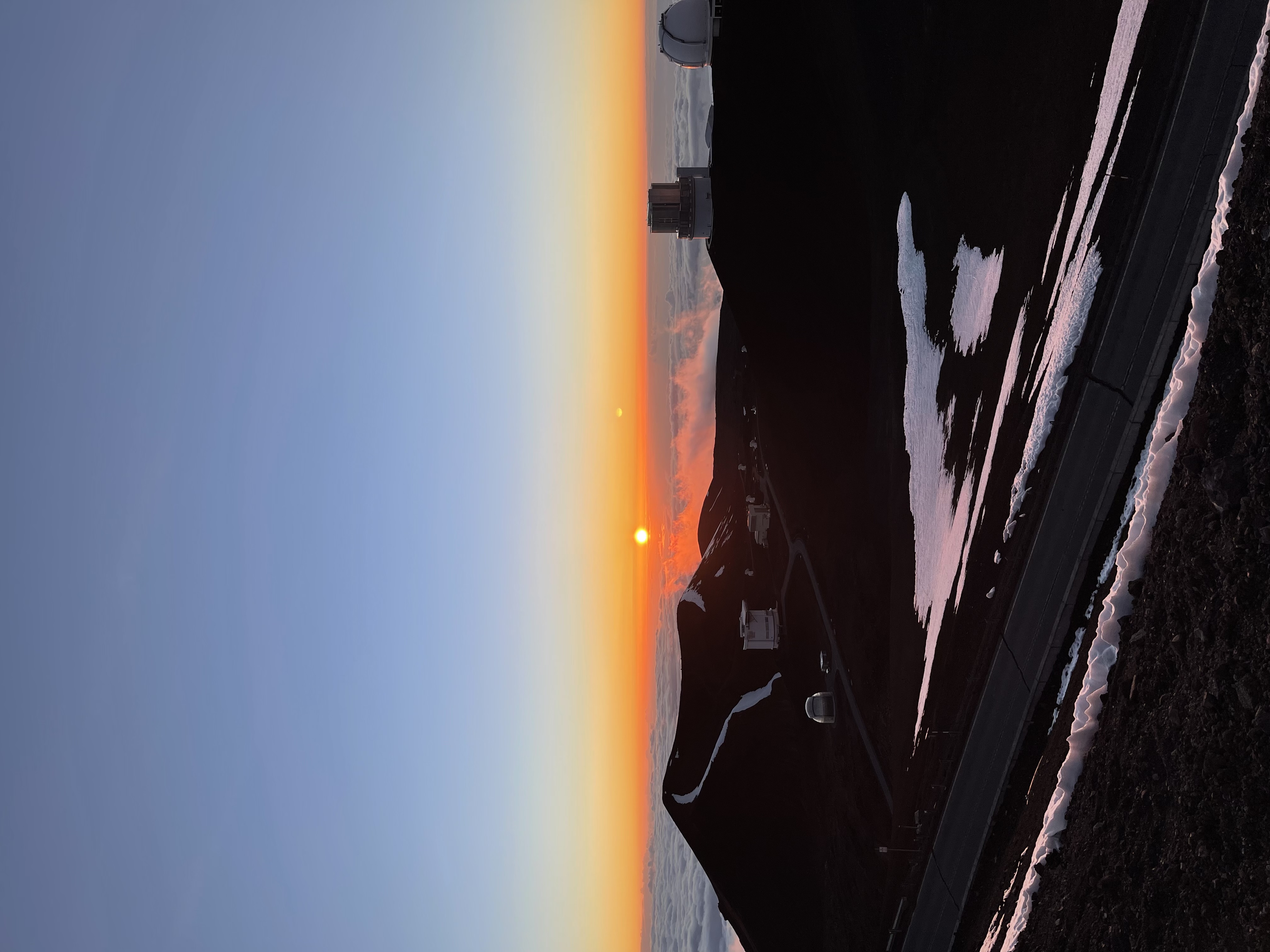
Don't let the postcard image of sunny Hawaiian beaches fool you—a trip to the summit of Mauna Kea is an alpine undertaking. Standing at 13,803 feet (4,207 meters) above sea level, the peak exists in a world apart, where temperatures hover near freezing year-round and snow is a common sight. Arriving unprepared is not just uncomfortable; it can be dangerous and will certainly cut your celestial sightseeing short.
This guide breaks down exactly what you need to wear and pack for a safe and memorable visit to the top of the Big Island, whether you're going for sunset, stargazing, or simply to stand on the highest point in the Pacific.
Why is Mauna Kea So Cold?
It’s a fair question when you’ve just spent the afternoon swimming in 80°F water. The answer lies in simple physics and geography. For every 1,000 feet you ascend, the temperature drops by about 3-5°F. With a summit nearly 14,000 feet high, Mauna Kea experiences a dramatic temperature plunge from sea level.
The summit is classified as a polar tundra climate. According to the U.S. Geological Survey (USGS), temperatures at the summit typically range from 25°F to 40°F (-4°C to 4°C). Add in the howling winds that frequently sweep across the barren landscape, and the “feels like” temperature can be much colder. The air is also incredibly thin, containing about 40% less oxygen than at sea level, which can exacerbate the effects of the cold.
For these reasons, official summit guidelines stress the importance of proper attire. Hypothermia is a real risk for unprepared visitors.
The Layering System: Your Key to Comfort
Ask any seasoned mountaineer how to dress for cold, and they'll talk about layers. Layering gives you the flexibility to adapt to changing conditions. You might feel warm in the car on the way up, but as soon as you step out at the summit, you'll be glad you have options. Here’s how to build your system.
Base Layer: Moisture-Wicking
This is the layer closest to your skin. Its primary job is to pull sweat away from your body to keep you dry. Being wet is the fastest way to get cold.
- What to wear: Long-sleeved shirts and long underwear made of synthetic materials (like polyester or nylon) or merino wool.
- What to avoid: Cotton is your enemy. It absorbs moisture and holds it against your skin, chilling you to the bone. That means no cotton t-shirts or socks.
Mid Layer: Insulation
This layer traps your body heat. The puffier, the better, as the trapped air provides the insulation.
- What to wear: A fleece jacket, a down-filled 'puffy' vest or jacket, or a heavy wool sweater. You can even double up on mid-layers if you run cold. A light fleece plus a puffy jacket is a great combination.
Outer Layer: Wind and Water Protection
Your outermost shell protects you from the elements, primarily wind. The wind at the summit can be relentless and will cut right through your insulating layers without a proper shell. While heavy rain is rare, a waterproof or water-resistant jacket is essential for wind-blocking.
- What to wear: A windbreaker or a waterproof/water-resistant shell jacket (like one made of GORE-TEX or a similar membrane). Many insulated winter coats combine the mid and outer layers into one, which works perfectly.
A Detailed Mauna Kea Summit Packing List
Use this checklist to ensure you don’t forget anything. It’s better to have an extra layer in the car and not need it than to be freezing at 13,000 feet.
Clothing & Footwear
- Warm Hat/Beanie: A must. You lose a significant amount of body heat through your head. Choose one that covers your ears.
- Gloves or Mittens: Your fingers will be the first to feel the cold. Insulated and windproof gloves are ideal.
- Scarf or Neck Gaiter/Balaclava: Protects your neck and can be pulled up over your face for added warmth against the wind.
- Long Underwear (Top and Bottom): A non-cotton base layer is critical.
- Fleece Jacket or Puffy Jacket: Your primary insulation layer.
- Windproof/Waterproof Outer Jacket: Essential for blocking the wind. A proper winter parka is best.
- Warm Pants: Insulated ski pants or sturdy hiking pants over a base layer are great choices. Do not wear shorts. Jeans are also not recommended as they offer poor insulation and are miserable if they get wet.
- Wool or Synthetic Socks: Pack a thick, warm pair. No cotton athletic socks.
- Closed-Toe Shoes: Sturdy sneakers are the bare minimum. Insulated, waterproof hiking boots are better. Absolutely no sandals, flip-flops, or open-toed shoes.
Health & Safety Essentials
- Water: Lots of it. The dry, thin air will dehydrate you quickly. Dehydration can worsen symptoms of altitude sickness.
- Snacks: High-energy snacks like granola bars or trail mix can help you feel better at altitude.
- Sunscreen: The thin atmosphere at the summit filters out less UV radiation. You can get a serious sunburn surprisingly fast, even when it's cold. Use a high-SPF sunscreen (SPF 30+).
- Sunglasses: Protect your eyes from the intense, high-altitude sun and glare.
- Lip Balm with SPF: To prevent chapped lips from the dry air and sun.
- Any Personal Medications: Especially if you have asthma (bring your inhaler).
What NOT to Wear to the Summit
To put it simply, do not wear your beach clothes. Every year, visitors arrive in shorts and flip-flops and are either turned away or have to end their visit almost immediately. Avoid:
- Shorts or Skirts
- T-shirts (as your only top)
- Sandals, Flip-Flops, or Open-Toed Shoes
- Light Hoodies or Sweatshirts (as your only jacket)
While a hoodie is fine as a mid-layer under a real jacket, it provides almost no protection from the wind on its own.
Do You Need to Rent Gear?
If you're traveling from a cold climate, you already own most of what you need. A standard winter coat, hat, and gloves are perfect. If you’re coming from a warm climate and don't want to buy winter gear just for this one trip, you have a few options:
- Book a Guided Tour: Most reputable Mauna Kea summit and stargazing tours provide warm parkas and gloves for their guests. This is often the easiest and most practical solution. Always confirm with the tour operator what is included. You will still need to wear long pants and closed-toe shoes.
- Borrow from a Friend: If you have friends on the island, they might have gear you can borrow.
Planning your trip to the Big Island can be complicated, but we aim to make it easier. Find more tips and tricks at High End Hawaiʻi to make the most of your vacation.
Safety First: Acclimatization is Mandatory
Proper clothing is just one part of summit safety. Altitude sickness is a serious concern. The University of Hawaiʻi, which manages the access road, mandates that all visitors acclimatize at the mid-level Visitor Information Station (VIS) at 9,200 feet for at least 30 minutes (an hour is better) before continuing to the summit.
Furthermore, due to the physiological stress of the high altitude, the following individuals are advised against traveling to the summit:
- Pregnant women
- Individuals with heart or respiratory conditions
- Children under the age of 13
These guidelines are in place for your safety. Always prioritize your health, drink plenty of water, and never ascend if you are feeling unwell. The view is amazing, but it's not worth risking your well-being.
Related Reading:
- A Guide to Stargazing on Mauna Kea:
/blog/stargazing-on-mauna-kea - The Ultimate Big Island Packing List:
/blog/big-island-packing-list - Driving to the Summit of Mauna Kea: Is It Safe?:
/blog/driving-mauna-kea-summit