What to Do in Hilo: A Local's Guide to Waterfalls & Culture
Often overlooked for the sunny Kona coast, Hilo offers a glimpse into old Hawaiʻi, with lush rainforests, powerful waterfalls, and a unique local culture. Discover the best activities and sights on the Big Island's verdant eastern shore.
Hilo is the soul of the Big Island's windward side, a city wrapped in rainforest and deeply connected to the volcanic landscape that created it. While visitors often flock to the sunny, resort-lined Kona coast, Hilo offers a different, perhaps more authentic, taste of Hawaiʻi. It's a place of powerful waterfalls, world-class botanical gardens, and a resilient downtown brimming with local character. Don't let its reputation for rain fool you; those frequent showers are what sustain the incredible greenery and keep the waterfalls flowing year-round. Hilo is the perfect base camp for exploring the island's eastern wonders, from the active Kīlauea volcano to the dramatic Puna coast.
Here’s our guide to the essential things to do in and around Hilo, embracing its unique climate and laid-back pace.
Embrace a World of Waterfalls
Hilo's abundant rainfall feeds some of the most accessible and stunning waterfalls in all of Hawaiʻi. They are the heart of the region's natural beauty, and no visit is complete without seeing them.
Rainbow Falls (Waiānuenue)
Located just a few minutes from downtown Hilo within the Wailuku River State Park, Rainbow Falls is the town's most iconic cascade. The 80-foot falls plunge over a lava cave, and on sunny mornings, the mist creates a beautiful rainbow, giving the falls its English name. The viewing area is easily accessible, with no hiking required. For the best chance of seeing a rainbow, visit in the morning when the sun is at the right angle.
Peʻepeʻe Falls and the Boiling Pots
Just a bit further up the Wailuku River from Rainbow Falls, you'll find another fascinating hydrological feature. Peʻepeʻe Falls (pronounced peh-eh-peh-eh) is a lovely, wide cascade, but the main attraction for many is the Boiling Pots. These are a series of turbulent pools and eddies where the river flows through ancient lava rock formations, appearing to 'boil' as water rushes through underground channels. The area is beautiful to look at, but swimming is extremely dangerous and strictly advised against. The currents are powerful and unpredictable.
Explore Historic Downtown Hilo
Hilo's downtown is a living museum, a collection of charming, early 20th-century storefronts that have survived multiple tsunamis. Today, it's a vibrant hub of local art, food, and culture. Park your car and spend a few hours wandering on foot.
Hilo Farmers Market
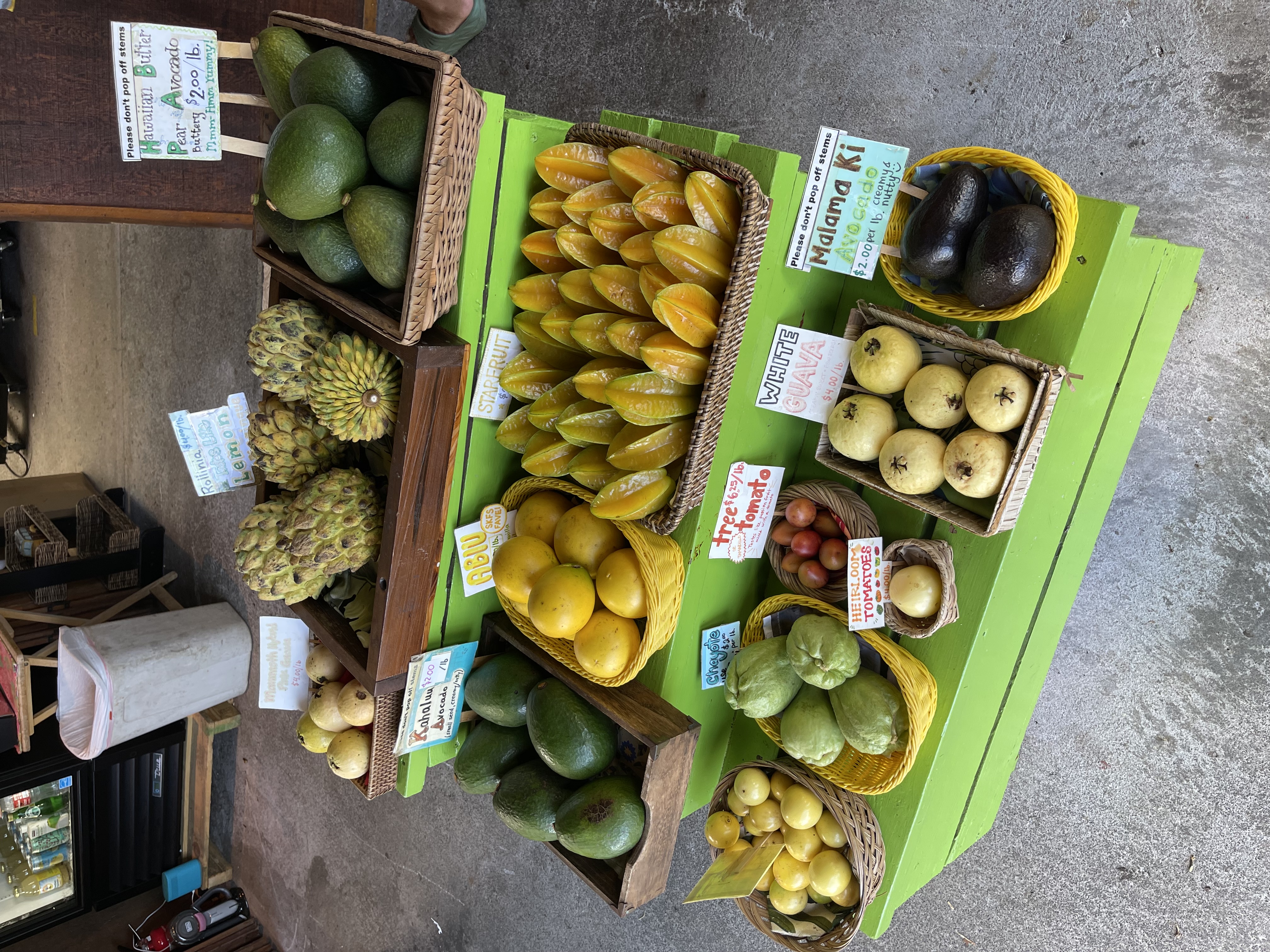
One of the best farmers markets in the state, the Hilo Farmers Market is a must-do. It operates daily, but the big market days are Wednesday and Saturday when over 200 local farmers and crafters gather. You'll find an incredible array of tropical fruits (think rambutan, lychee, and dragonfruit), beautiful orchids, fresh-baked goods, and unique handmade souvenirs. It's the perfect place to grab lunch and experience Hilo's diverse community.
Museums and Culture
- Pacific Tsunami Museum: Hilo's history is inextricably linked with tsunamis, particularly the devastating waves of 1946 and 1960 that reshaped the town. This museum offers powerful and moving accounts from survivors, explaining the science behind these natural disasters and honoring the lives lost. It's a sobering but essential stop for understanding Hilo's resilience.
- ʻImiloa Astronomy Center: Affiliated with the University of Hawaiʻi at Hilo, ʻImiloa is a world-class institution that brilliantly connects Hawaiian culture and voyaging with modern astronomy. The full-dome planetarium shows are spectacular, and the exhibits explore the deep relationship between the people of Hawaiʻi and the stars. It’s a fantastic activity for a rainy afternoon.
Wander Through Lush Botanical Gardens
The Hilo side’s wet climate creates a paradise for tropical plants. The bioreserves and gardens here are some of the most spectacular you will ever see.
Hawaiʻi Tropical Bioreserve & Garden
Just a few miles north of Hilo along the scenic Hamakua Coast, this bioreserve is a true rainforest wonderland. A well-maintained path meanders through a valley filled with over 2,000 species of plants, from towering palms and giant bamboo to vibrant heliconias and delicate orchids. The trail descends to the ocean at Onomea Bay, offering breathtaking coastal views. Allow at least two hours; it’s worth every penny of the admission fee.
Liliʻuokalani Gardens
This beautiful 24-acre park, located on Waiākea Peninsula, is the largest authentic ornamental Japanese garden outside of Japan. Donated by Queen Liliʻuokalani, it features serene fishponds, rock gardens, pagodas, and arched bridges, with beautiful views of Hilo Bay and Mauna Kea on clear days. It's a peaceful spot for a midday stroll and is completely free to the public.
Discover Hilo's Unique Coastline
Hilo's beaches aren't the wide, white sand strips of Kona, but they have a unique charm. They are places where freshwater springs meet the ocean, creating calm swimming areas often frequented by sea turtles.
Carlsmith Beach Park (Four Mile)
Locally known as 'Four Mile,' this park is a favorite for swimming and snorkeling. A series of freshwater springs flow into the ocean here, creating cool, clear water protected by a reef. The grassy lawn is perfect for a picnic, and you're almost guaranteed to spot a few honu (Hawaiian Green Sea Turtles) lazily swimming in the pools or resting on the rocks. Remember to always keep a respectful distance of at least 10 feet from them, as recommended by NOAA.
Richardson Ocean Park
Just down the road from Carlsmith, Richardson's is Hilo's most popular black sand beach. It offers some of the best snorkeling on the east side, with protected coves and a variety of fish. The park has lifeguards, showers, and picnic facilities, making it a great family-friendly option. The mix of black volcanic sand and green palm trees is quintessential Big Island scenery.
A Gateway to Volcanoes and Craters
Hilo is the primary launching point for visiting one of the world's most active volcanoes. It's a much shorter drive from Hilo to the national park than from Kona.
Hawaiʻi Volcanoes National Park
Just a 45-minute drive from Hilo, Hawaiʻi Volcanoes National Park is an absolute must-see. The park protects the summit of Kīlauea and a portion of Mauna Loa. You can walk through the Thurston Lava Tube (Nāhuku), see steam vents puffing from the earth, and peer into the immense Halemaʻumaʻu crater. Check the USGS Hawaiian Volcano Observatory website for the latest eruption status before you go. The landscape is constantly changing, offering a raw and powerful display of nature's creative force. Consider a guided tour if you want to get the most context; many great operators like High End Hawaii can craft a custom itinerary.
Kaumana Caves
A fascinating and less-visited attraction, the Kaumana Caves are part of a lava tube created by an 1881 flow from Mauna Loa that threatened to overrun Hilo. A staircase leads down into two large openings. You can explore a short distance into the dark, cool tube with a flashlight. It offers a tangible connection to the volcanic forces that shape life in Hilo. The cave is on public land and is free to enter.
Practical Tips for Your Hilo Visit
- Pack for Rain: Don't be discouraged by the weather forecast. Hilo's rain often comes in short, passing showers followed by sunshine. Pack a lightweight rain jacket and shoes you don't mind getting wet. The rain is what makes it so beautiful.
- Rent a Car: While downtown is walkable, the best attractions are spread out. A rental car is essential for exploring the waterfalls, gardens, and Volcanoes National Park at your own pace.
- Embrace the Pace: Hilo operates on a slower, more local rhythm than the resort areas. Savor it. Talk to shop owners, spend extra time at the market, and don't overschedule your days.
Related Reading:
- A First-Timer's Guide to Hawaiʻi Volcanoes National Park: [/blog/hawaii-volcanoes-national-park-guide]
- The Best Waterfalls on the Big Island: [/blog/best-big-island-waterfalls]
- Planning Your Trip: Kona vs. Hilo: [/blog/kona-vs-hilo-which-side-to-stay]