A Practical Guide to Visiting the Waipiʻo Valley Lookout
The view from the Waipiʻo Valley Lookout is one of the most sublime on Hawaiʻi's Hāmākua Coast. But with the valley floor currently closed to visitors, here's what you need to know for a respectful visit.
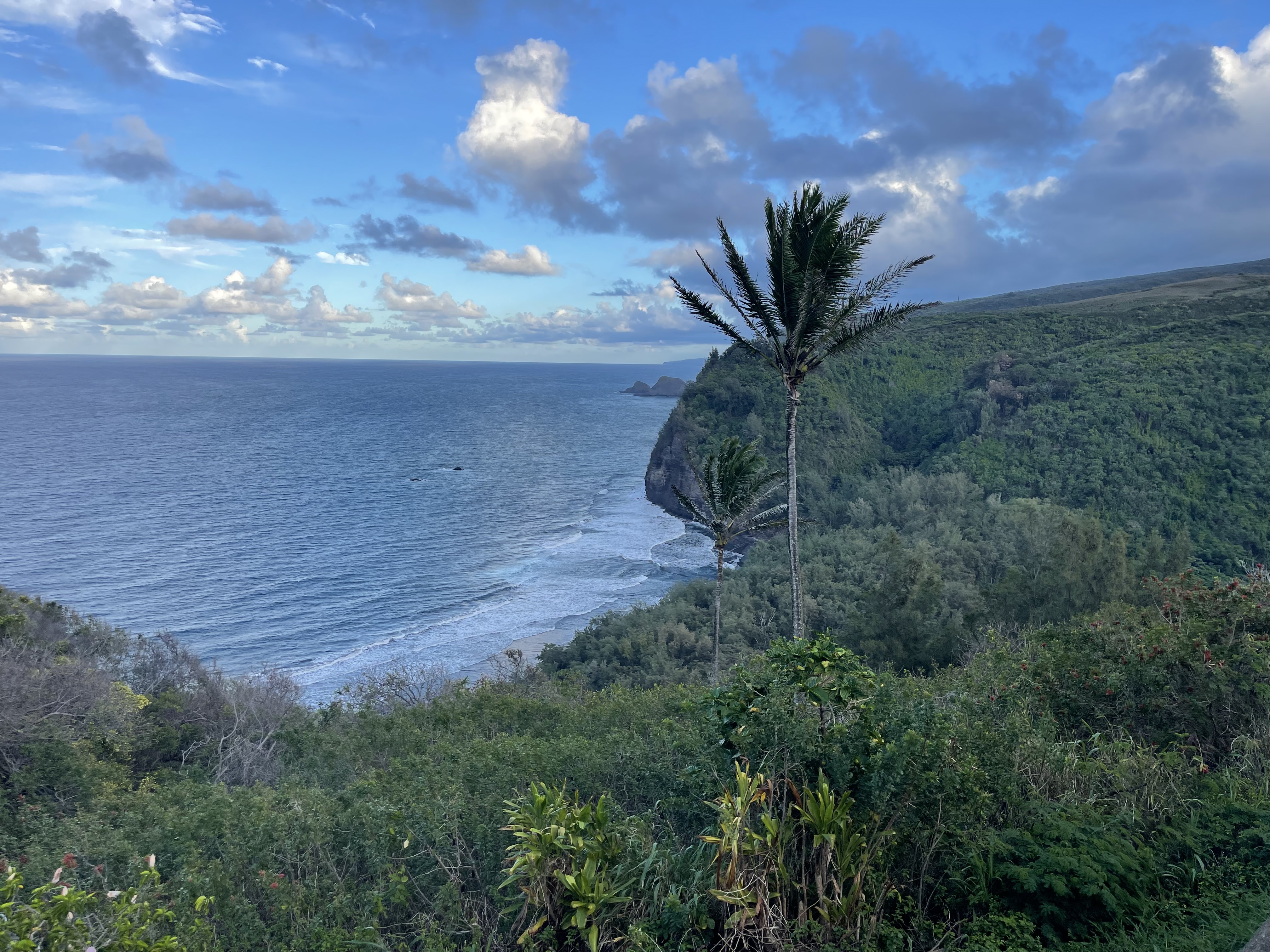
Waipiʻo Valley is a place of staggering beauty and immense cultural significance. From the lookout perched on the southern rim, you can gaze upon a scene that feels torn from prehistory: sweeping emerald cliffs that plunge to a black sand beach, a lush valley floor patterned with taro fields, and the wild, churning Pacific. For many visitors, it's a highlight of the Hāmākua Coast. However, it's crucial to understand that visiting Waipiʻo is not as simple as it once was. As of early 2022, the steep road leading to the valley floor is closed to the public, transforming the experience from an adventurous trek into a contemplative pause at one of Hawaiʻi's most sacred landscapes.
What Makes Waipiʻo Valley So Special?
Known as 'The Valley of the Kings,' Waipiʻo holds a revered place in Hawaiian history and culture. It was the boyhood home of King Kamehameha I, who united the Hawaiian Islands, and a major political and religious center for centuries. At its peak, the valley was home to thousands of people who expertly cultivated kalo (taro) in terraced plots called loʻi, irrigated by the Wailoa Stream that winds through the valley.
Its profound Mana (spiritual power) is palpable. The valley is home to numerous heiau (temples) and burial sites, and it remains a cherished home for about 50 residents who continue to live a traditional lifestyle, farming taro and other crops. The valley is also a gateway to other, even more remote valleys along the coast. The stunning Hiʻilawe Falls, one of the tallest waterfalls in Hawaiʻi at a staggering 1,450 feet, is hidden deep within the valley, a powerful symbol of the lifeblood of this sacred place.
Understanding this context is key to visiting Waipiʻo respectfully. It's not just a pretty picture; it is a living community and a wahi pana, a legendary and storied place.
The Waipiʻo Valley Lookout: What to Expect
Even with the valley floor inaccessible, a stop at the Waipiʻo Valley Lookout is absolutely worthwhile. It provides one of the most iconic vistas in all of Hawaiʻi.
Getting There & Parking
The lookout is located at the very end of Highway 240, about 9 miles from the town of Honokaʻa. The drive itself is beautiful, taking you past rolling green pastures and small farms. As you approach the end of the road, you'll find a small parking area. Be warned: parking is extremely limited and the area can get crowded, especially mid-day. Early mornings are your best bet for finding a spot and enjoying the view with fewer people.
The View
From the paved viewing area, you'll have a commanding perspective looking northeast across the valley. You can see the dark arc of the black sand beach pounded by surf, the impossibly steep and verdant cliffs on the far side, and a portion of the lush valley floor. A 4WD vehicle, belonging to a resident, might be seen carefully navigating the precipitous road below.
- Best Time to Visit: Early morning offers the best light for photography, as the sun rises and illuminates the valley walls. Later in the afternoon, the sun moves behind the cliffs, casting the valley in shadow. The weather can change quickly, so be prepared for sun, wind, or passing showers.
- Facilities: There are basic restroom facilities available at the lookout, but no other services. For food and gas, you'll need to go back to Honokaʻa.
The Road Closure: The Full Story
The most important thing to know before you go is that the Waipiʻo Valley Road is closed to all pedestrians and all vehicles except for those of county-authorized residents and farmers. This isn't a suggestion; it's an official rule backed by law.
On February 25, 2022, the Mayor of Hawaiʻi County issued an Emergency Proclamation closing the road due to imminent slope and roadway failure. According to the County's Department of Public Works, the road, which has an average grade of 25% and reaches up to 45% in some places, presents a significant risk to public safety. Years of use and weather have created an "imminent threat of slope and roadway failure that could result in injury or death."
Who Is Allowed to Access the Valley?
Access is strictly limited to:
- Waipiʻo Valley residents and property owners
- Leaseholders with agricultural businesses in the valley
- Certain government and utility workers
There are no exceptions for visitors, hikers, or personal 4WD vehicles. Do not attempt to walk down the road; it is both illegal and extremely dangerous due to the steep, unstable conditions and resident vehicle traffic. There is currently no official timeline for a full reopening to the public.
How to Visit Responsibly
Given the closure and the sacred nature of Waipiʻo, a responsible visit is paramount. Your time at the lookout should be one of quiet observation and respect.
- Keep Your Voice Down: Remember that this is a cherished place and the entrance to a community. Loud conversations and music are disruptive.
- No Drones: Drones are prohibited in Waipiʻo Valley. They violate the privacy of residents and disturb the serene environment.
- Park Courteously: Park only in designated spaces. Do not block the road or any private driveways. Be prepared to wait for a spot or return at a less busy time.
- Pack It In, Pack It Out: There are limited trash receptacles. Take all of your rubbish with you.
- Do Not Try to Go Down: We will say it again. Respect the closure. Do not walk past the barriers or attempt to hike down the road.
Are Guided Tours Still an Option?
Previously, several companies offered guided tours into Waipiʻo Valley via 4WD van or on horseback. Following the road closure, nearly all of these tours have been suspended for the general public. While the County has made provisions for potential future tour operations under specific agreements, a system for visitor tours has not yet been re-established.
If you see a company advertising tours into the valley, you should contact them directly to confirm their current operating status and verify that they have an official agreement with the County of Hawaiʻi. For now, assume that guided tours for visitors are not available.
What to Do Nearby
After taking in the majestic view, explore the charming Hāmākua Coast. A visit to the lookout can easily be combined with other nearby stops.
- Honokaʻa Town: This historic sugar town is the gateway to Waipiʻo. It's full of character, with plantation-era buildings that now house unique shops, art galleries, and great local eateries. It’s the perfect place to grab lunch.
- Laupāhoehoe Point Beach Park: A short drive south, this beautiful and tragic peninsula offers stunning coastal views and a monument to the 1946 tsunami that devastated the area. It’s a somber but moving place to visit.
- ʻAkaka Falls State Park: Home to the towering ʻAkaka Falls (442 feet) and the smaller Kahuna Falls. A paved loop trail takes you through a lush rainforest for incredible waterfall views.
Planning the ultimate trip to the Big Island can be a complex affair, balancing adventure with relaxation. For those seeking curated experiences, the team at https://highendhawaii.com can help craft a seamless luxury vacation that respects the culture and beauty of Hawaiʻi.
Related Reading
- A Guide to the Waterfalls of the Big Island: /blog/big-island-waterfalls-guide
- Driving the Hāmākua Coast: A Scenic Itinerary: /blog/hamakua-coast-scenic-drive
- A Visitor's Guide to ʻAkaka Falls State Park: /blog/akaka-falls-state-park-guide