Is Waipiʻo Valley Open? A Guide to Current Access Rules
The Waipiʻo Valley lookout is open to all, but access to the valley floor via the steep public road remains closed to the general public. Here's what you need to know.
For decades, a trip into the majestic Waipiʻo Valley was a bucket-list adventure for many visitors to Hawaiʻi Island. Today, the situation is much different. Due to significant safety concerns, the famously steep road into the valley is closed to all but a select few, leaving many travelers wondering: is Waipiʻo Valley open at all?
The short answer is nuanced: the stunning lookout at the top of the valley is open, but access to the valley floor, beach, and hiking trails below is strictly limited. Understanding the rules is essential for a respectful and safe visit to this sacred place.
The Current Status: Access is Restricted
To be perfectly clear: the general public cannot drive, walk, or hike down the Waipiʻo Valley road. This decision was made by Hawaiʻi County for safety reasons.
Here’s a summary of the current situation:
- The Waipiʻo Valley Lookout: OPEN to the public. You can drive to the lookout, park, and enjoy the breathtaking panoramic views. No permit is required.
- The Waipiʻo Valley Road: CLOSED to the general public. This includes visitor traffic in rental cars (even 4x4s) and all foot traffic (hiking, walking).
- Access to the Valley Floor: RESTRICTED to residents, landowners, and a handful of approved tour companies with specific county permits and insurance.
These rules are enforced, and attempting to bypass them is not only disrespectful but also dangerous and can result in fines.
Why is the Road Closed?
The closure is not arbitrary. It’s a direct response to geotechnical assessments that identified a serious and immediate threat to public health and safety. The Waipiʻo Valley road is one of the steepest roads in the United States, with a grade of 25% in many places, reaching up to 40% in others.
In early 2022, Hawaiʻi County Mayor Mitch Roth issued an Emergency Proclamation citing instability, potential rockfalls, and erosion that made the road unsafe for the high volume of traffic it was receiving. The proclamation states the road poses an "imminent threat of harm to residents and visitors."
While some repairs have been made, the underlying geological instability remains a concern. The county's priority is the safety of the residents who rely on this road for daily access to their homes and farms. Therefore, public access remains suspended until a long-term, safe solution can be implemented.
How You Can Visit the Valley Floor: Guided Tours
While you cannot go down on your own, it is still possible for visitors to experience the Waipiʻo Valley floor. The only way to do so is by booking a tour with a county-approved tour operator.
These companies run permitted, insured 4x4 vans and shuttles that are specifically equipped to handle the treacherous road. Taking a tour has several benefits:
- Safety: The drivers are highly experienced in navigating the road.
- Cultural Insight: Guides are typically long-time residents or Native Hawaiians who share deep knowledge about the valley's history, legends, and cultural significance.
- Access: Tours take you to key spots on the valley floor, often crossing rivers and showing you areas you wouldn't find on your own.
These tours are not horseback or ATV adventures like in the past; they are shuttle-based sightseeing tours. They provide the only legitimate and respectful way for visitors to enter the valley.
Visiting the Waipiʻo Valley Lookout
For most visitors, the trip to Waipiʻo will be to the lookout. And it is absolutely worth it.
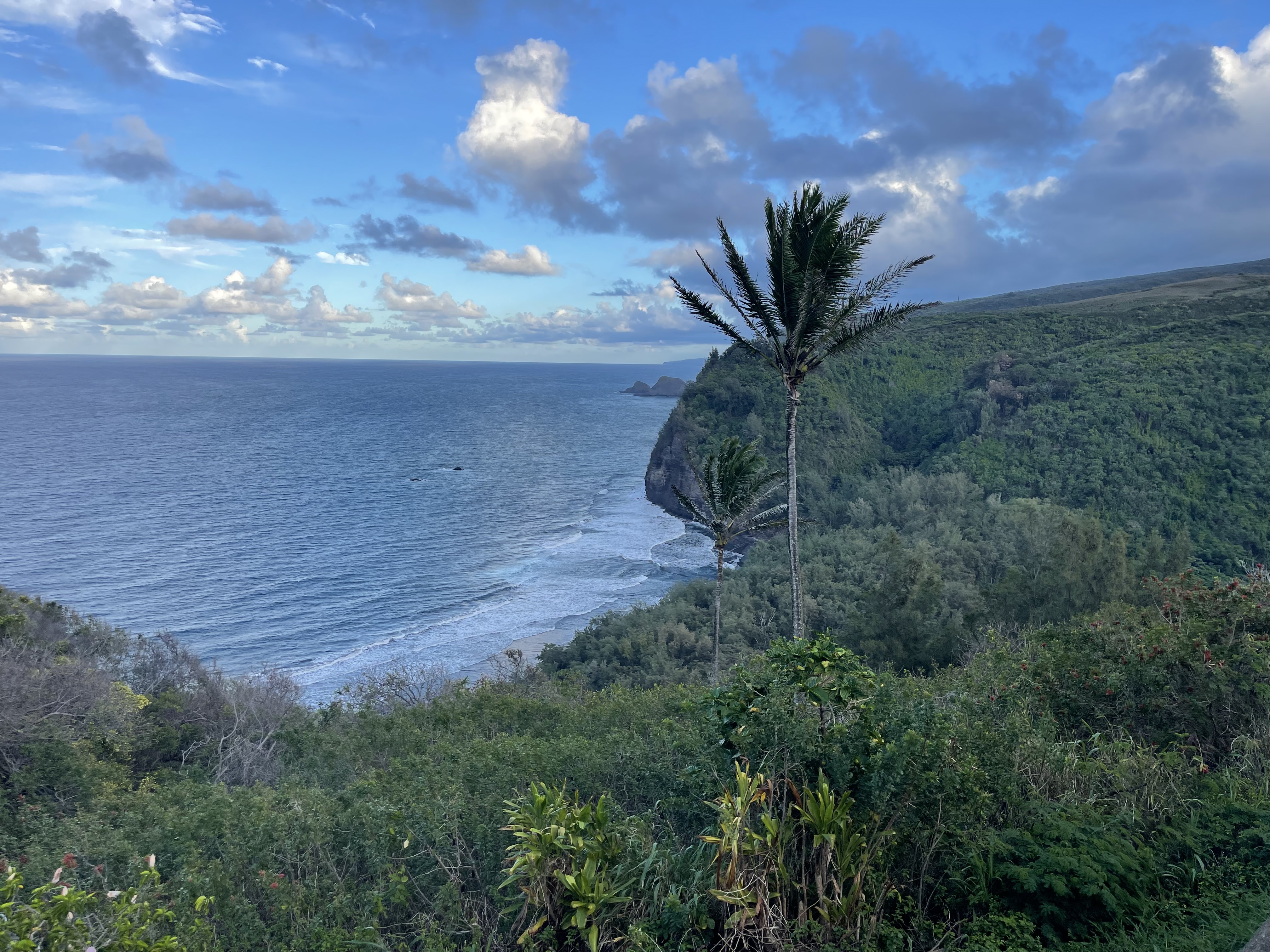
The view from the lookout is one of the most iconic on the Big Island. You'll see the lush, mile-wide valley opening up to the sea, flanked by dramatic cliffs. On the far side, you may be able to spot Kaluahine Falls cascading down the cliff face, especially after heavy rains. The black sand beach lines the shore where the valley meets the ocean.
Tips for the Lookout:
- Parking is limited: The parking area is small and can fill up quickly, especially midday. Try to arrive early in the morning or later in the afternoon.
- Be respectful: This is a wahi pana (a sacred, storied place). Keep your voice down, do not litter, and be mindful that you are at the entrance to a living community.
- Facilities: There are usually portable toilets available, but no other services.
The Cultural Significance of Waipiʻo
Waipiʻo is not just a beautiful landscape; it is one of the most culturally and historically significant places in all of Hawaiʻi. Known as the "Valley of the Kings,” it was the boyhood home of King Kamehameha I and a major political and religious center in ancient Hawaiʻi.
For centuries, the valley floor was home to a thriving population of thousands, who cultivated taro (kalo) in vast, irrigated fields. The stories and spirituality of this valley are deeply woven into the fabric of Hawaiian culture. The current residents continue to farm kalo and uphold the traditions of their ancestors. Understanding this context elevates a visit from simple sightseeing to a more profound experience. Considering the complexities of travel planning in Hawaiʻi, a resource like High End Hawaii can provide broader context for a luxury trip.
What About Hiking?
It must be stressed: hiking down the Waipiʻo Valley road is prohibited for the general public. This includes the Muliwai Trail, which begins inside the valley. To access the Muliwai Trail and Waimanu Valley, hikers must now start from the Pololū Valley side, a much more strenuous and advanced trek requiring permits from the State's Nā Ala Hele program.
Do not attempt to walk down the road. The steep grade is extremely taxing on the way back up, and the risk of slipping or encountering rockfall is real.
Alternatives to Consider
If your heart was set on a valley adventure, the Big Island has other stunning options:
- Pololū Valley: Located at the northern tip of the island, the trail down to the Pololū Valley floor is open to the public. It is a steep but short hike to a beautiful, rugged coastline. Note that parking is now managed through a new system and reservations may be required. Related: A Guide to the Pololū Valley Hike
- Hāmākua Coast Scenic Drive: The drive to Waipiʻo is part of this incredible route. Don't just rush to the lookout. Stop at ʻAkaka Falls State Park, explore the charming town of Honokaʻa, and visit the Hawaiʻi Tropical Bioreserve & Garden. Related: Hāmākua Coast Scenic Drive Itinerary
Ultimately, while access to Waipiʻo Valley has changed, it remains a place of profound beauty and power. By visiting the lookout respectfully or taking an approved tour, you can still experience its magic while honoring the need to protect this precious resource and its community.