Big Island Tours: A Practical Guide to Hawaiʻi's Best Experiences
Navigating the world of Big Island tours can be overwhelming. We cut through the noise with practical advice on choosing the best helicopter, boat, and land tours for your trip to Hawaiʻi.
The sheer number and variety of tours on the Big Island of Hawaiʻi can feel overwhelming. From soaring over volcanoes in a helicopter to snorkeling with giant manta rays at night, the options are as diverse as the island itself. This guide cuts through the marketing fluff to give you practical, on-the-ground advice for choosing the best tours for your budget and travel style.
Whether you're an adrenaline junkie, a nature lover, or a culture enthusiast, a well-chosen tour can elevate your trip from a good vacation to an unforgettable adventure. It provides access to remote locations, expert knowledge you wouldn't get on your own, and a level of safety that's crucial when dealing with Hawaiʻi's powerful natural elements.
Why Take a Tour on the Big Island?
While exploring on your own is a huge part of the fun, some Big Island experiences are only possible—or are significantly enhanced—with a guided tour.
- Access: Many premier locations, like the Captain Cook Monument at Kealakekua Bay or the summit of Mauna Kea, are difficult or restricted for independent access. A tour operator handles the permits, transportation, and logistics.
- Expertise: A good guide is a storyteller, a naturalist, and a historian all in one. They can explain the geology of Kīlauea, share the cultural significance of a historic site, or identify the specific species of fish you're seeing on a snorkel tour.
- Safety: The Big Island's environment demands respect. Tour operators are trained to handle ocean currents, high-altitude conditions, and the unpredictable nature of an active volcano. They have the right gear, safety protocols, and knowledge to keep you safe.
- Efficiency: If your time is limited, a tour can help you experience a lot in a single day without the stress of planning, driving, and navigating.
Helicopter Tours: A Bird's-Eye View
There's no better way to comprehend the immense scale and diversity of the Big Island than from the air. Helicopter tours are a splurge, but they offer a perspective you simply can't get from the ground. Most tours depart from either Hilo/Volcano on the east side or Waikoloa/Kona on the west side.
- Hilo Departures: These tours typically focus on the active volcanoes of Kīlauea and Mauna Loa, often including views of recent lava flows (when active), rainforests, and the waterfalls of the Hāmākua Coast. They are generally shorter and less expensive than full-island tours.
- Kona/Waikoloa Departures: You have two main options here: a shorter flight over the Kohala Coast's valleys and waterfalls, or a longer, full-island tour that circles the entire island, covering all 10 of its climate zones. The full-island tour is an epic, two-hour journey.
What to look for:
- Doors-On vs. Doors-Off: Doors-off tours offer unobstructed photography and a more visceral experience. However, it's colder and windier. If you're nervous about heights, stick with a doors-on flight.
- Aircraft Type: ECO-Star and WhisperSTAR helicopters are quieter and often have stadium-style seating for better views from every seat.
- Safety Record: Do your research. The FAA maintains safety records, and reputable companies are transparent about their safety practices.
Ocean Tours: Snorkeling, Diving, and Gentle Giants
The waters off the Kona coast are world-famous for their clarity and marine life. An ocean tour is a must-do for most visitors.
Manta Ray Night Snorkel & Dive
This is arguably the most unique and magical tour on the Big Island. After sunset, boats gather at one of two main sites where large lights are shone into the water. This attracts plankton, which in turn attracts giant, gentle manta rays that glide and barrel roll through the water to feed, often just inches away from you. It's an otherworldly experience.
- Locations: The original site is off the coast of the Kona airport. A second, often calmer site is located further north off the Kohala Coast.
- Snorkel vs. Dive: Snorkelers float on the surface holding onto a lighted raft. Certified divers go a few feet deeper and sit on the ocean floor, watching the mantas above. Both are incredible experiences.
Kealakekua Bay Snorkel Tours
Kealakekua Bay is a protected marine life conservation district with some of the best snorkeling on the island. It's also a deeply significant historical site, where Captain James Cook first landed and later died. Access by car is extremely limited, so the best way to experience it is by boat.
Most tours depart from Keauhou Bay and include snorkel gear, food, and drinks. They provide a narrated history of the area and spend ample time in the water near the Captain Cook Monument. It's a fantastic way to combine history, culture, and incredible snorkeling.
Whale Watching (Seasonal)
From roughly December through March, thousands of humpback whales migrate to Hawaiʻi's warm waters to breed and give birth. The Big Island offers fantastic whale watching opportunities. Tours are dedicated solely to finding and observing these magnificent creatures, and a good crew will provide tons of information about their behavior. Per federal law, all vessels must stay at least 100 yards away from the whales.
Volcano Tours: Up Close with Pele
Hawaiʻi Volcanoes National Park is the island's top attraction. While you can easily visit on your own, a tour can add valuable context and take the logistical hassle out of a long day, especially if you're staying in Kona.
Land-based tours often pick you up from your hotel and make a full day of it, including a stop at a black sand beach (like Punaluʻu), a coffee farm, and of course, several hours inside the park. In the park, a guide will lead you to the key sites like the Kīlauea caldera, the steam vents, and Thurston Lava Tube (Nāhuku).
A Note on Lava Viewing: The presence of visible, flowing surface lava is highly variable and depends entirely on Kīlauea's eruptive activity. There is never a guarantee of seeing red lava. Check the USGS Hawaiian Volcano Observatory website for the most current eruption updates. When lava is flowing, helicopter and boat tours may offer views, but conditions change daily.
Stargazing on Mauna Kea
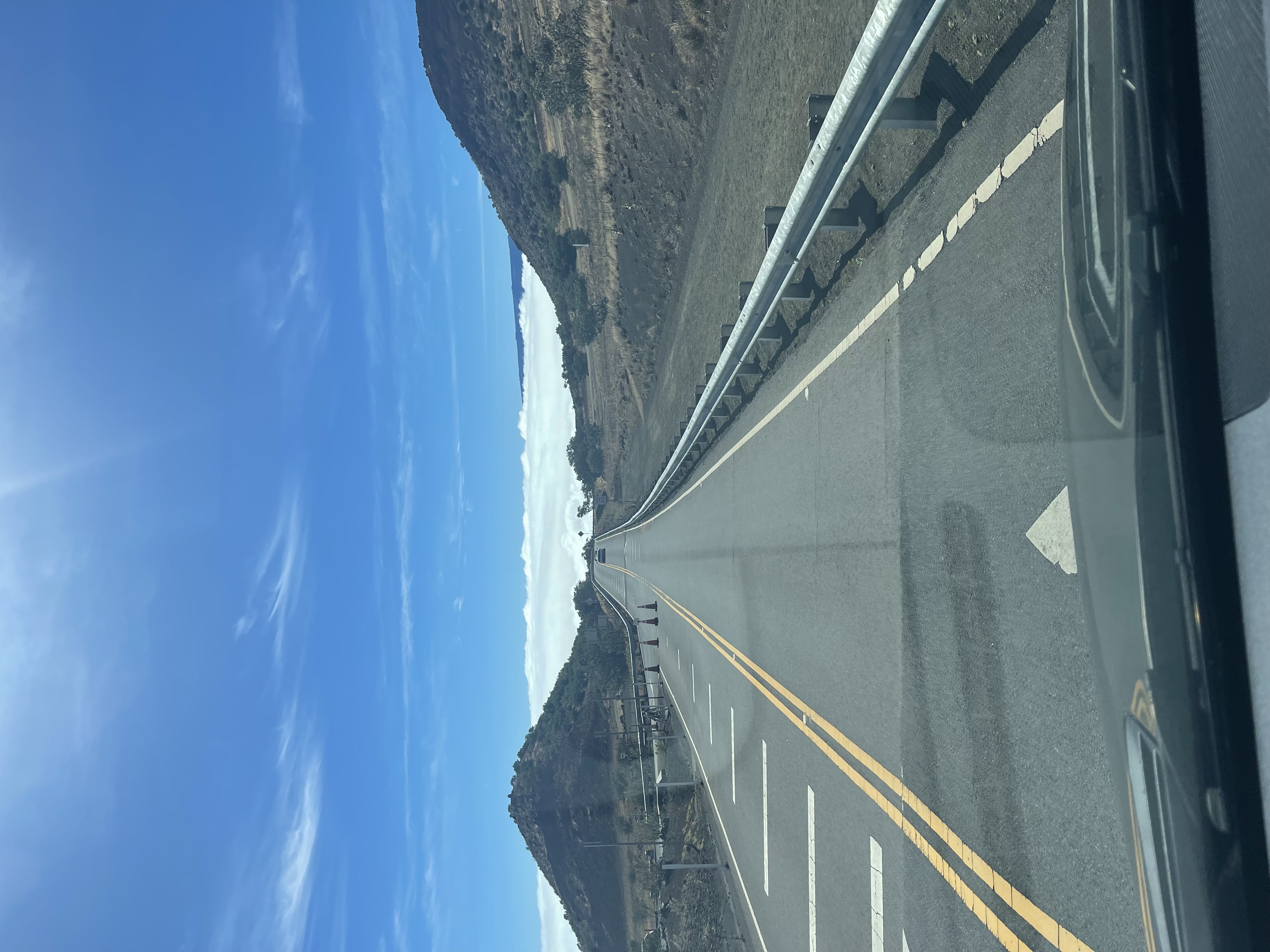
The summit of Mauna Kea, at nearly 14,000 feet, is home to some of the world's most advanced astronomical observatories. Its high altitude, dry air, and distance from city lights make it one of the best places on Earth for stargazing.
Important: You cannot visit the large observatories themselves. Stargazing tours take you to the summit for sunset and then descend to a lower elevation (typically around 9,000 feet near the Visitor Information Station) for stargazing with powerful telescopes.
- Restrictions: Due to the extreme altitude, summit tours have strict health and age restrictions. Pregnant women, children under 13, and individuals with heart or respiratory conditions are not permitted on the summit.
- What to Expect: These are long tours that involve significant driving time. Operators provide heavy parkas, gloves, and often a hot meal. The sunset from the summit, above the clouds, is a spiritual experience for many.
- Cultural Significance: Mauna Kea is a sacred place in Hawaiian culture. Please choose a tour operator that is permitted and operates with respect for the mountain.
How to Choose a Reputable Tour Operator
With so many companies to choose from, how do you find a good one?
- Read Reviews, but with a Grain of Salt: Look for patterns in recent reviews on multiple platforms. Ignore the outliers (both overly glowing and excessively negative) and focus on the consensus.
- Check for Permits: For sensitive areas like Mauna Kea and Kealakekua Bay, ensure your operator has the proper state and county permits to operate.
- Prioritize Safety: Look for companies that openly discuss their safety procedures, guide training, and equipment maintenance. For a premium experience with vetted operators, resources like highendhawaii.com can be a good starting point.
- Consider Group Size: Do you prefer a small, intimate group or a larger, more social atmosphere? Smaller groups often mean more personal attention from the guide.
- Ask About Their 'Kuleana': Kuleana means responsibility in Hawaiian. The best tour companies practice environmental stewardship and show respect for Hawaiian culture. They should have a clear policy on sustainability and cultural sensitivity.
Choosing the right tour can be the highlight of your Hawaiian vacation. By doing a little research and knowing what to look for, you can ensure your adventure is safe, memorable, and supports responsible tourism on the beautiful Big Island of Hawaiʻi.
Related Reading
- Your Complete Guide to the Manta Ray Night Snorkel: /blog/manta-ray-night-snorkel-guide
- A First-Timer's Guide to Hawaiʻi Volcanoes National Park: /blog/hawaii-volcanoes-national-park-guide
- Stargazing on Mauna Kea: Summit vs. Visitor Center: /blog/mauna-kea-stargazing-guide