Stargazing on the Big Island Without a Tour: A DIY Guide
Hawaiʻi Island offers some of the planet's best stargazing, and you don't need a tour to see it. This guide shows you where to go and what to bring for an unforgettable night under the stars.
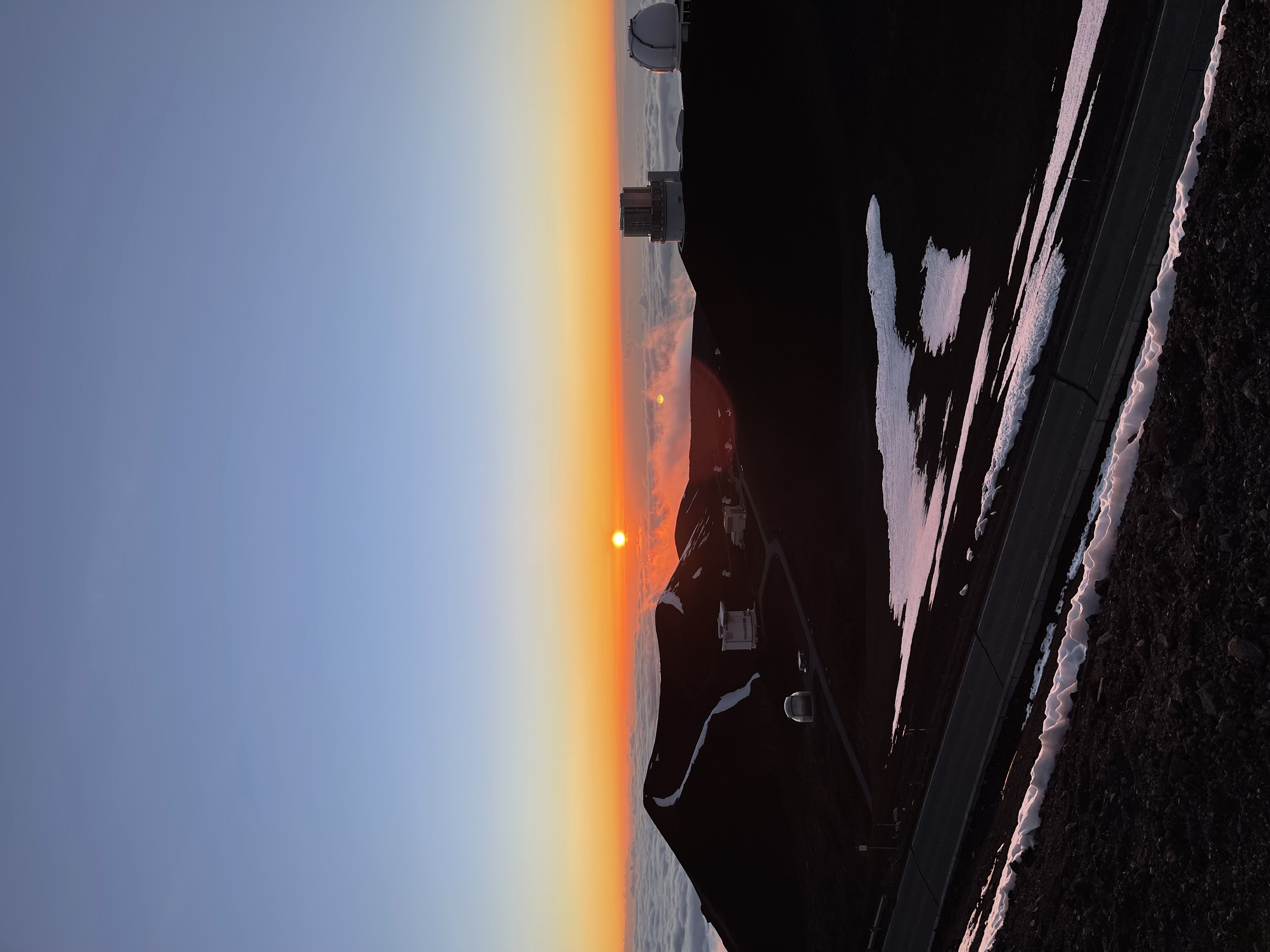
The vast, dark skies over Hawaiʻi Island are a destination in themselves, a major reason it's home to some of the world's most advanced observatories. While many visitors opt for guided tours, a DIY stargazing adventure is not only possible but also deeply rewarding. With a little planning, you can experience the cosmos from one of the best viewpoints on Earth, entirely on your own terms.
This guide will walk you through the best public-access spots for stargazing, what to expect, and everything you need to pack for a safe and spectacular night. Forget the crowds and the rigid schedules; this is how you connect with the Hawaiian night sky independently.
Why the Big Island is a World-Class Stargazing Destination
The summit of Mauna Kea is considered by many astronomers to be the finest site for ground-based astronomy in the Northern Hemisphere. Several factors, as noted by the University of Hawaiʻi, contribute to this stellar reputation, and they benefit amateur stargazers, too:
- Altitude: Much of the island's best viewing is at high elevation, above a significant portion of the Earth's atmosphere and the marine inversion layer that traps clouds and moisture below.
- Dark Skies: The Island of Hawaiʻi has a lighting ordinance (Chapter 14, Article 9 of the Hawaiʻi County Code) that restricts and shields outdoor lighting to minimize light pollution, preserving the natural darkness.
- Stable Air: The smooth, laminar airflow from the Pacific Ocean creates exceptionally stable and clear viewing conditions, minimizing the twinkling effect that distorts celestial objects.
- Location: Being near the equator, the Big Island provides a unique vantage point from which to see constellations in both the Northern and Southern hemispheres.
The Best DIY Stargazing Spot: Maunakea Visitor Station
For independent stargazers, the primary destination is the Maunakea Visitor Information Station (VIS), located at a lofty 9,200 feet (2,800 meters) on the slopes of Mauna Kea. It's the highest point you can drive to with a standard rental car and offers a fantastic stargazing experience.
Getting There
The VIS is accessible via the Saddle Road (Highway 200) and the Mauna Kea Access Road. The road to the VIS is fully paved and does not require a 4-wheel-drive vehicle. It's roughly a one-hour drive from Hilo or Waimea, and about 90 minutes from Kailua-Kona.
- Important Note: The road beyond the VIS to the 13,803-foot summit is unpaved, steep, and requires a true 4WD vehicle. Nearly all rental car agreements on the island explicitly prohibit you from driving to the summit. Respect these rules for your safety and to avoid hefty fines.
What to Expect at the VIS
The parking area at the VIS serves as the de facto viewing area for the public after sunset. On clear nights, you'll find a gathering of fellow astronomy enthusiasts who have driven up on their own.
- Facilities: The VIS has restrooms that are typically open 24/7. There's also a small shop that sells snacks and souvenirs during the day, but it will be closed during prime stargazing hours.
- Nightly Programs: While this guide is about DIY stargazing, it's worth noting that the VIS historically hosted free, public stargazing programs with telescopes. These programs have been on hold and their status can change. Always check the official Maunakea Visitor Information Station website for the latest operational hours and program information before you go.
More DIY Stargazing Locations
If the high altitude of Mauna Kea isn't for you, or you're staying further away, there are other excellent options around the island.
Saddle Road Pull-outs
Saddle Road (Hwy 200) cuts between Mauna Kea and Mauna Loa. There are several safe, paved pull-outs along the road, particularly around the Puʻu Huluhulu cinder cone area. At an elevation of around 6,500 feet, you're still high enough for clear, dark skies with minimal light pollution from either coast. Be extremely cautious when pulling over and re-entering the highway at night.
Kaʻū Desert & Hawaiʻi Volcanoes National Park
The area west of Kīlauea's summit in Hawaiʻi Volcanoes National Park offers profoundly dark skies. Find a safe overlook along Chain of Craters Road or a pullout on Highway 11 in the Kaʻū Desert region. The stark, volcanic landscape provides an otherworldly foreground to the Milky Way. Always check the NPS website for any park alerts or closures.
South Point (Kalae)
As the southernmost point of the United States, Kalae offers an unparalleled view of southern constellations that are invisible from most of the mainland. The area is remote and dark, but be mindful of the strong winds and rugged coastline. This spot is best for the adventurous.
Planning Your Stargazing Night
Successful DIY stargazing hinges on good planning. Here’s how to time your visit perfectly.
- Check the Weather: The key to good stargazing is a cloud-free sky. Check the Mauna Kea summit forecast, as it’s a good indicator of conditions at the VIS. Websites like the Maunakea Weather Center provide detailed forecasts.
- Mind the Moon: The brightest object in the night sky is the moon. For the best views of faint objects like the Milky Way and nebulae, plan your trip during the New Moon phase or when the moon is below the horizon. Use a moon phase calendar online to find the darkest nights.
- Acclimatize: The VIS is at 9,200 feet. The rapid ascent can cause altitude sickness. It's recommended by the VIS to spend at least 30 minutes at the station to acclimatize before heading further up, which is good advice for anyone staying at that altitude.
What to Pack Checklist
Even on a warm tropical day, the high elevations of the Big Island get incredibly cold at night. Temperatures at the VIS regularly drop to freezing or below. Do not underestimate the cold!
- Warm Clothing (Essential):
- Multiple layers: Long underwear, a fleece jacket, and a windproof/waterproof outer shell.
- Winter hat, gloves, and a scarf.
- Thick socks and closed-toe shoes.
- Red-Light Flashlight: Bright white light ruins your (and everyone else's) night vision. A headlamp with a red-light mode is perfect for seeing without disrupting the experience. If you don't have one, you can cover a regular flashlight with red cellophane or tape.
- Water and Snacks: Staying hydrated is important at altitude. Bring more water than you think you'll need, along with some snacks. There are no services available at night.
- Star Chart or App: A planisphere (a rotating star chart) or a stargazing app on your phone (like SkyView, Star Walk, or Stellarium) will help you identify constellations, planets, and satellites. Remember to set your app to its red-light mode.
- Binoculars or Telescope: Even a simple pair of binoculars can reveal stunning detail on the moon, and you can see Jupiter's moons and the Andromeda Galaxy. If you have a portable telescope, this is the place to use it.
- Full Tank of Gas: Fill up in Hilo, Kona, or Waimea before heading up. There are no gas stations on Saddle Road or Mauna Kea.
- Patience: Give your eyes at least 15-20 minutes to fully adapt to the darkness. The longer you wait, the more stars you will see.
Exploring the island's diverse landscapes by day before your celestial adventure is a great way to plan your trip. Having a reliable vehicle, such as those available from luxurious transportation partners, can make the journey up Saddle Road comfortable and worry-free.
Stargazing Etiquette and Cultural Sensitivity
Mauna Kea is a sacred place in Hawaiian culture, believed to be the home of deities and the burial ground of high-ranking ancestors. When you visit, you are a guest in a deeply significant cultural landscape.
- Be Respectful and Quiet: People are there for a serene experience. Avoid loud noises and music.
- Lights Out: Use only red lights in the viewing areas. Even a quick flash from a phone screen or car headlights can ruin night vision for dozens of people.
- Pack It In, Pack It Out: Leave no trace. Take all of your trash with you.
By planning ahead and packing properly, you can have an awe-inspiring experience with the universe on your own schedule. The sight of the full Milky Way arching across the sky from a silent, volcanic landscape is a memory that will stay with you long after you've returned to sea level.
Related Reading
- A Guide to the Mauna Kea Summit & Stargazing Tours: /blog/mauna-kea-summit-tour-guide
- The Best Hikes on the Big Island: /blog/best-big-island-hikes
- Big Island Itinerary: 7 Days of Adventure: /blog/big-island-7-day-itinerary