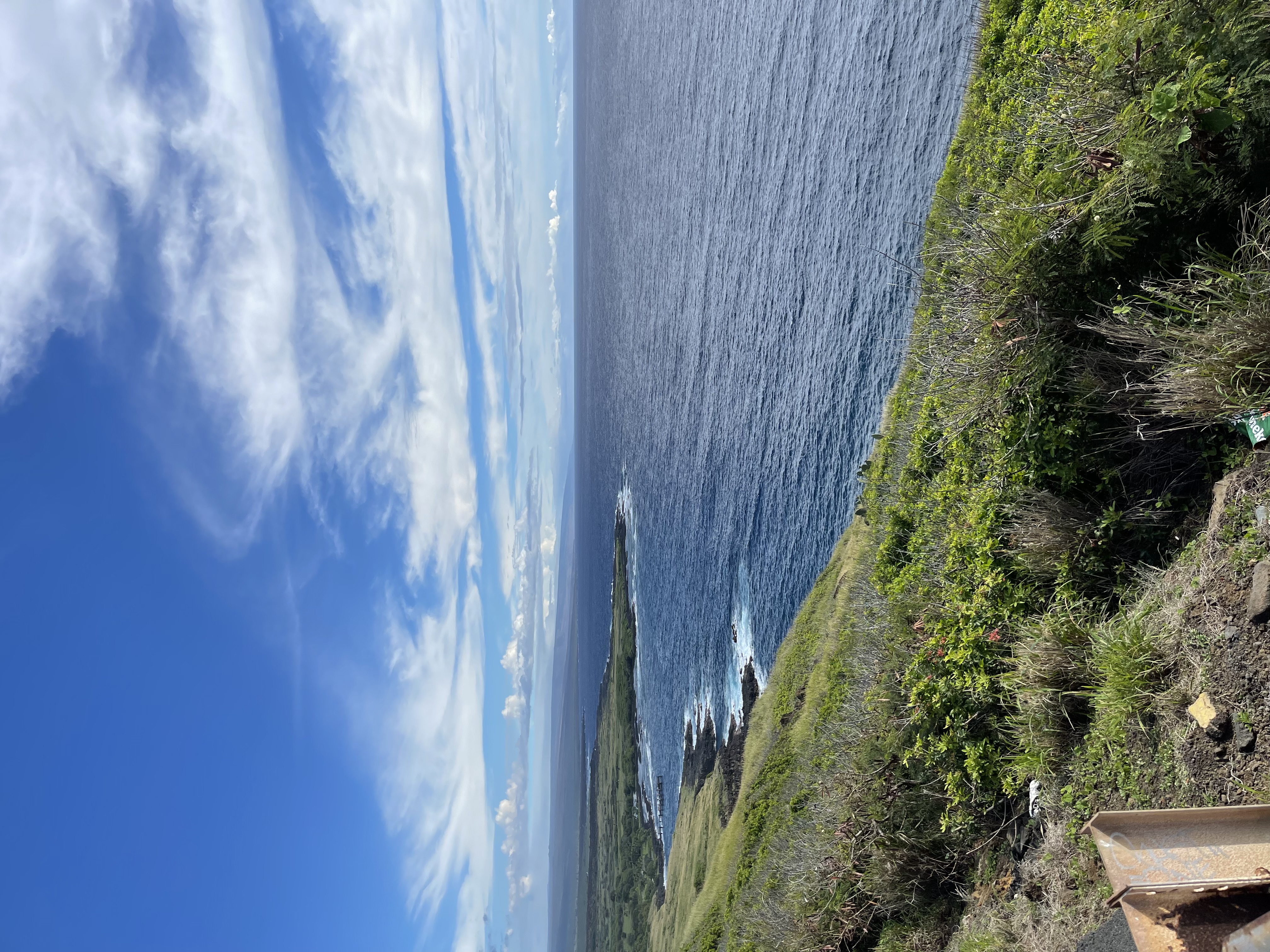
Puʻuhonua o Hōnaunau: A Visitor's Guide to the Place of Refuge
Explore one of Hawaiʻi's most sacred historical sites. This guide to Puʻuhonua o Hōnaunau covers its deep history, what to see on your visit, and how to explore with respect.
Imagine breaking a sacred law, a kapu, in ancient Hawaiʻi. The penalty was certain death. Your only hope was to elude your pursuers and reach the nearest Puʻuhonua, or place of refuge. Here, a priest would absolve you, granting you a second chance at life. This is the story of Puʻuhonua o Hōnaunau National Historical Park, one of the most significant and well-preserved cultural sites in all of Hawaiʻi.
Today, this sacred ground on the South Kona coast offers a quiet, powerful glimpse into old Hawaiʻi. It's not a theme park or a simple beach; it's a place of reverence, history, and palpable spiritual energy. A visit here is a chance to walk in the footsteps of aliʻi (chiefs), priests, and commoners from centuries past.
What is Puʻuhonua o Hōnaunau?
Until the early 19th century, Hawaiian society was governed by a complex set of laws known as the kapu system. These laws, which regulated everything from eating to fishing, maintained social order and spiritual balance. Breaking a kapu—such as a commoner's shadow falling upon a chief or a woman eating a forbidden food—disrupted that balance and was a capital offense.
The Puʻuhonua was a sacred sanctuary. Defeated warriors, non-combatants in times of war, and kapu-breakers could find refuge here if they reached its boundaries. It was a place where the law of the land was suspended, replaced by the law of the gods. After a ceremony of absolution, individuals could return safely to society. Puʻuhonua o Hōnaunau is the most famous and well-restored of these sanctuaries.
The park is divided into two main areas: the Royal Grounds, which were home to the ruling aliʻi of Kona, and the Puʻuhonua itself, where fugitives sought safety.
Exploring the Park: A Self-Guided Tour
Upon entering, you'll receive a park map that outlines a half-mile self-guided walking tour. Numbered stops correspond to points of interest, allowing you to explore the grounds at your own pace. The path is mostly flat and sandy, winding through coconut palms and past ancient structures.
The Royal Grounds
This area was the home of the powerful chiefs of Kona. You can see the foundation of the royal canoe house, the queen's bathing pool, and a recreation of a chief's residence. The grounds are meticulously maintained, giving you a sense of the beauty and order of the royal compound. Look for the stone kōnane board, a game of strategy often called Hawaiian checkers, carved into a large rock.
The Great Wall
The most imposing feature is the Pā Puʻuhonua, or the Great Wall. This massive structure, built in the 16th century without any mortar, separates the Royal Grounds from the sacred Puʻuhonua. It stands up to 12 feet high and 18 feet thick, a testament to the incredible engineering skills of ancient Hawaiians. Its purpose was not defensive but symbolic, a clear demarcation between the mortal world and the realm of the gods.
Inside the Puʻuhonua
Once you pass through an opening in the wall, you enter the place of refuge. The feeling here is different—quieter, more solemn. The highlight is the reconstructed Hale o Keawe, a temple that once housed the bones of 23 deified chiefs. The presence of these bones gave the Puʻuhonua its immense spiritual power, or mana.
Surrounding the temple are fierce-looking wooden carvings called kiʻi. These are not idols for worship but guardians that watch over the sacred space. The originals have long since weathered away, but these careful recreations give visitors an idea of the awe-inspiring sight that would have greeted those seeking sanctuary.
Planning Your Visit: Hours, Fees, and Logistics
A visit to Puʻuhonua o Hōnaunau is a highlight of any trip to the Big Island. Here's what you need to know to plan your day.
- Location: South Kona, about 20 miles south of Kailua-Kona off Highway 11. Follow the signs for Puʻuhonua o Hōnaunau National Historical Park.
- Hours: The park is typically open daily from 8:15 AM to sunset, with the visitor center closing at 4:30 PM. Always check the official National Park Service (NPS) website for the most current hours and any potential closures.
- Entrance Fees: There is a per-vehicle or per-person entrance fee, valid for 7 days. The America the Beautiful pass is accepted. Fees directly support the park's preservation efforts.
- What to Bring: Wear comfortable walking shoes, a hat, and reef-safe sunscreen. Bring plenty of water, as it can get hot and there are no concessions inside the park. A swimsuit and snorkel gear are essential if you plan to visit the adjacent bay.
For a complete guide to planning your island adventure, check out our other resources at High End Hawaii.
Snorkeling at "Two Step" (Hōnaunau Bay)
Immediately adjacent to the north boundary of the park is Hōnaunau Bay, one of the most famous snorkel and dive spots on the Big Island. It's commonly known as "Two Step" because of the natural lava rock steps that provide an easy entry point into the water.
Important: You cannot swim or snorkel within the national park itself. The bay is public, but access is just outside the park's main entrance. There is a separate parking area for the bay, though it fills up quickly. Please be extremely respectful. Do not walk on the coral, use only reef-safe sunscreen, and never touch the turtles or dolphins that frequent the bay.
The water is incredibly clear, and the bay is teeming with vibrant coral, tropical fish, and often green sea turtles (honu). It's a perfect way to cool off after exploring the historical park.
A Place of Reverence: Visitor Etiquette
Puʻuhonua o Hōnaunau is a wahi pana, a sacred and storied place. It is not just a tourist attraction but an active place of cultural and spiritual importance for Native Hawaiians. To ensure you visit with the utmost respect:
- Stay on the marked trails.
- Do not touch, climb on, or move any rocks or cultural artifacts. The Great Wall and temple foundations are thousands of years old and fragile.
- Speak in quiet tones. Respect the peaceful atmosphere of the park.
- No smoking, picnicking, or beach activities inside the park grounds.
- Drones are strictly prohibited.
- Leave no trace. Pack out everything you pack in.
By following these simple guidelines, you help preserve this irreplaceable piece of Hawaiian history for future generations.
Related Posts
- Your Guide to Kealakekua Bay: History, Kayaking, and Snorkeling (/blog/kealakekua-bay-snorkeling-kayaking-guide)
- Stargazing on Mauna Kea: A Visitor's Complete Guide (/blog/mauna-kea-stargazing-visitor-guide)
- Exploring Hawaiʻi Volcanoes National Park (/blog/hawaii-volcanoes-national-park-guide)