Papakōlea Green Sand Beach, Hawaiʻi: A Guide to Visiting
Papakōlea is one of only four green sand beaches in the world, but getting there requires effort. Here’s our guide to the hike, the geology, and how to visit respectfully.
Seeing a beach made of green sand is a bucket-list item for many visitors to Hawaiʻi Island, and for good reason. Papakōlea Beach, nestled in a remote bay in the Kaʻū district, is a geological marvel. But its beauty is matched by its fragility, and visiting requires a commitment to both a strenuous hike and responsible tourism.
This isn't a casual beach trip; it's an adventure. The only legal and respectful way to reach the sand is on your own two feet. This guide will tell you everything you need to know to do it right, from the science behind the sand to the details of the hike and the important reasons you must decline the offers for a ride.
What Makes the Sand at Papakōlea Green?
The unique color of Papakōlea Beach comes from a common mineral found in Hawaiian lava: olivine. The beach sits at the base of Puʻu Mahana, a tuff ring (a type of volcanic cone) that formed over 49,000 years ago. This cone is exceptionally rich in olivine crystals.
As the tuff ring erodes, these small, dense green crystals are weathered out and deposited on the beach. Because olivine is heavier than the other volcanic materials like black basalt and shell fragments, the wave action sorts the sand, concentrating the green crystals along the shore. This constant process, a collaboration between volcanic geology and ocean dynamics, is what gives Papakōlea its signature hue. According to the U.S. Geological Survey (USGS), this is one of only four green sand beaches in the entire world.
Getting There: The Hike is Non-Negotiable
Let's be clear: The only permitted way to access Papakōlea Beach is by hiking. The land you must cross is managed by the Department of Hawaiian Home Lands (DHHL), and they do not permit vehicular traffic to the beach. Anyone offering you a ride in their truck or 4x4 for cash is operating illegally.
Why is this so important? The area is a fragile ecosystem and a significant cultural landscape. The constant, unregulated vehicle traffic has carved dozens of scars into the land, causing severe erosion, destroying native vegetation, and disturbing ancient cultural sites. Choosing to hike is a sign of respect for the ʻāina (land) and the local community.
The trailhead parking lot is located near Ka Lae (South Point). From Highway 11, turn onto South Point Road. Drive about 8 miles toward the ocean. Before you reach the very end of the road at Ka Lae, you'll see a turnoff on your left for a small, unpaved parking area. This is where the hike begins. Do not leave any valuables in your car.
The Hike to Papakōlea Beach
The trek to Papakōlea is a 5.5-mile round trip over mostly flat but uneven and exposed terrain. Here's what to expect:
- Distance: ~2.75 miles each way.
- Time: Plan for 1 to 1.5 hours each way, plus time at the beach.
- Terrain: The trail is a mix of dusty dirt paths, rocky sections, and grassy plains. You will be following the coastline. While there isn't one single marked trail, the route is fairly obvious—keep the ocean on your right on the way in. Please try to stick to the most-worn paths to avoid creating new trails and causing more erosion.
- Conditions: There is absolutely no shade and no water available along the trail. The Kaʻū coast is known for being hot, dry, and extremely windy. Start your hike early in the morning (before 9 a.m.) to avoid the worst of the midday sun.
What to Pack for the Hike
- Sturdy Shoes: Hiking boots or rugged, closed-toe athletic shoes are essential. Do not attempt this in flip-flops.
- Water: Bring more than you think you need. At least 2 liters per person is recommended.
- Sun Protection: A wide-brimmed hat, sunglasses, and high-SPF, reef-safe sunscreen are non-negotiable.
- Snacks: Pack some high-energy snacks for the journey.
- Towel and Swimsuit: If you plan to get in the water.
- Camera: To capture the stunning coastal views and unique sand.
Arriving at Papakōlea Bay
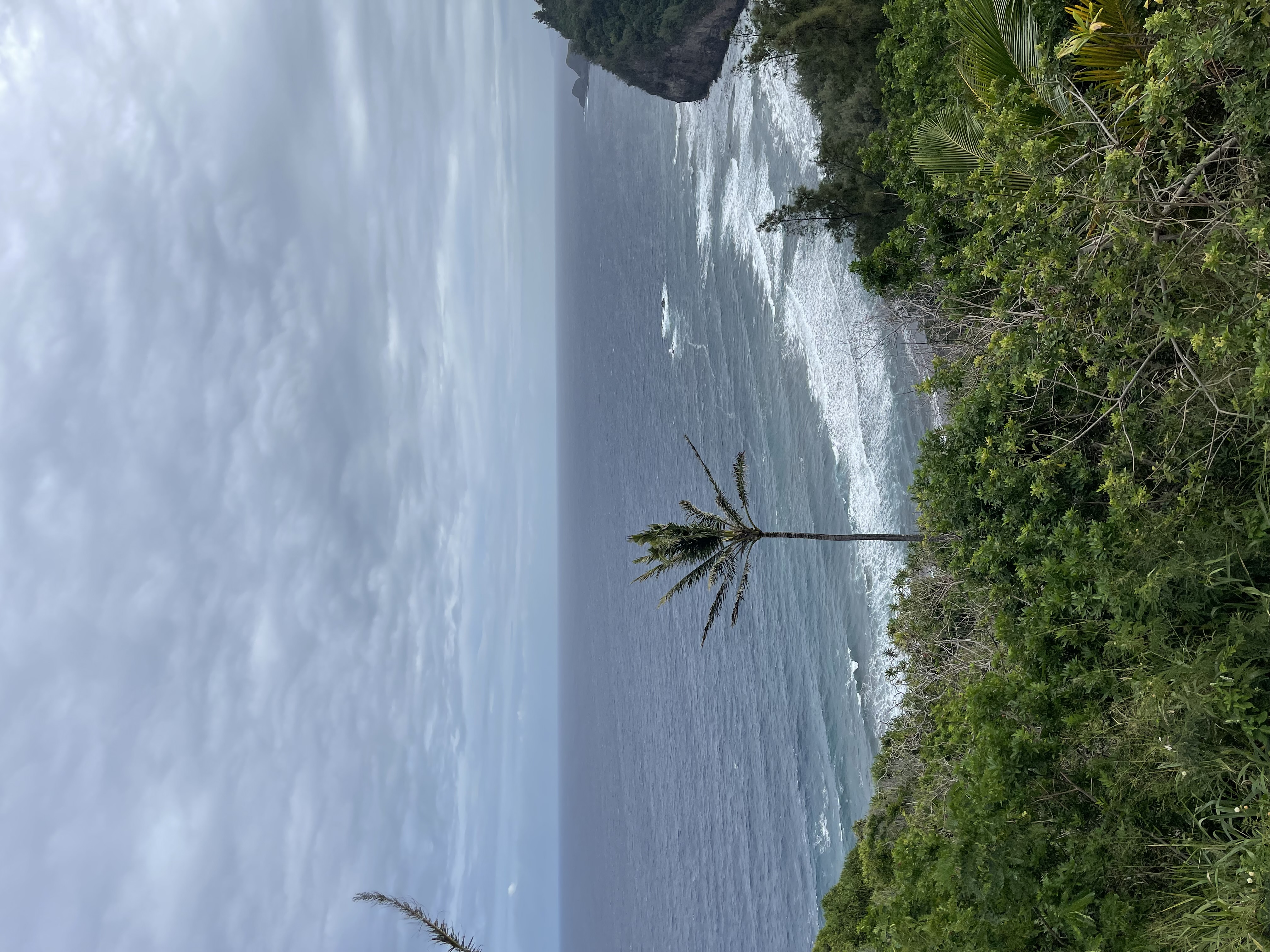
After about an hour of hiking, you'll reach the rim of the bay. The view from above is breathtaking. You'll see the crescent of green sand nestled against the turquoise water, enclosed by the steep walls of the eroding cinder cone. This is the moment that makes the hot, dusty hike worth it.
To get down to the beach itself, you must navigate a steep, somewhat rustic descent carved into the rock face. There is a metal ladder for a portion of it, but it's largely a scramble down the side of the cliff. Take your time, maintain three points of contact, and be courteous to others going up or down. This descent is not suitable for those with mobility issues or a fear of heights.
Once on the beach, you'll see the olivine crystals sparkling in the sun. The color can range from a deep olive to a lighter, brighter green depending on the light and recent wave action.
Swimming and Safety at the Beach
Papakōlea Beach is beautiful, but it can be dangerous. The bay is exposed to the open ocean, and the shorebreak can be powerful and unpredictable, even on seemingly calm days. There are no lifeguards on duty.
- Strong Swimmers Only: Only enter the water if you are a confident and experienced ocean swimmer.
- Watch the Conditions: Spend time observing the waves and any potential currents before you even consider getting in.
- Stay Close to Shore: Avoid swimming out too far. A sudden large set of waves can appear without warning.
If you are not a strong swimmer, it's best to enjoy the beach from the sand. You can wade in the shallows where the waves wash up, but be prepared to be knocked over.
A Final Word on the "Shuttles"
You will almost certainly be approached in the parking lot by individuals offering a ride for $15-$20 per person. It may seem tempting after a long drive, but we urge you to decline. As mentioned, the DHHL, which administers these lands for the benefit of Native Hawaiians, explicitly prohibits this activity.
The damage is real and visible. The deep ruts tear up the soil, kill native plants, and accelerate the erosion that is already washing the precious green sand out to sea. Choosing to hike is a direct action you can take to help preserve this special place for future generations.
If the hike seems too daunting, consider visiting one of the island's many other stunning and more accessible beaches. We have a great guide to exploring the diverse beaches on the Big Island you can find across our site at https://highendhawaii.com.
Nearby Attraction: Ka Lae (South Point)
Since you're already in the area, don't miss a visit to Ka Lae, the southernmost point of the United States. After your hike, drive the remaining mile or so down South Point Road to the cliffs. Here, you'll find ancient canoe mooring holes carved into the rock and a famous (and very risky) cliff-jumping spot. Even if you don't jump, watching the waves crash against the dramatic lava cliffs is an experience in itself.
Related Reading:
- A Guide to Punaluʻu Black Sand Beach: /blog/punaluu-black-sand-beach-guide
- Hiking the Kīlauea Iki Trail: /blog/hiking-kilauea-iki-trail
- Big Island Itinerary for Adventure Lovers: /blog/big-island-adventure-itinerary