How to Spend One Unforgettable Day in Volcanoes National Park
Seeing the highlights of Hawaiʻi Volcanoes National Park in a single day is ambitious but entirely possible. Our on-the-ground itinerary covers the must-see sights, from the floor of Kīlauea Iki to the glow of Halemaʻumaʻu.
Hawaiʻi Volcanoes National Park is a place of primordial wonder, where new land is born and the power of the planet is on full display. While you could spend a week exploring its vast landscapes, it's absolutely possible to experience the park's dramatic highlights in a single, well-planned day. This guide offers a practical itinerary designed to maximize your time, taking you from steamy vents along the crater's rim to the dramatic sea cliffs at the end of Chain of Craters Road, culminating with the unforgettable glow of an active eruption.
This itinerary assumes you're arriving from either Hilo (a 45-minute drive) or Kailua-Kona (a 2- to 2.5-hour drive) and can dedicate a full day, from morning until after sunset. The key is to be prepared, stay flexible, and check current conditions before you go. This experience is often a cornerstone of a larger Big Island adventure, and getting it right makes all the difference.
Before You Go: Planning Your Volcano Day Trip
A little prep goes a long way. Before you even get in the car, do these three things:
- Check Park Conditions: The park is an active volcanic zone. Road closures, trail conditions, and air quality can change without notice. The official National Park Service (NPS) website for Hawaiʻi Volcanoes is your source of truth. Check the "Current Conditions" page for alerts on the day of your visit.
- Check Volcanic Activity: Is Kīlauea erupting? The best place for reliable, up-to-the-minute information is the U.S. Geological Survey (USGS) Hawaiian Volcano Observatory website. They provide daily updates, webcams, and maps showing any active lava flows. Remember, seeing a glow is common during eruptions, but surface flows are rare and often inaccessible.
- Fuel Up (Car and Body): There is no gas station inside the park. The nearest are in the town of Volcano, just outside the park entrance, or further afield in Keaʻau or Pāhoa. Fill up your tank before you enter. Pack plenty of water and snacks, as food options within the park are limited.
The park entrance fee is charged per vehicle and is valid for seven days. You can pay by credit card at the entrance station. For current fees, visit the NPS website.
Morning (9:00 AM – 12:00 PM): Kīlauea Visitor Center & Crater Rim
Aim to arrive at the park by 9:00 AM to get ahead of the biggest crowds. Your first stop should be the Kīlauea Visitor Center, located just beyond the entrance station on the right.
- Talk to a Ranger: Ask about current conditions, ranger-led programs, and get recommendations tailored to the day's weather and volcanic activity.
- Get Oriented: Pick up a park map and check out the exhibits to understand the geology and cultural significance of Kīlauea and Mauna Loa.
From the visitor center, it's a short walk or drive to the most iconic viewpoints.
Kīlauea Overlook & Steam Vents
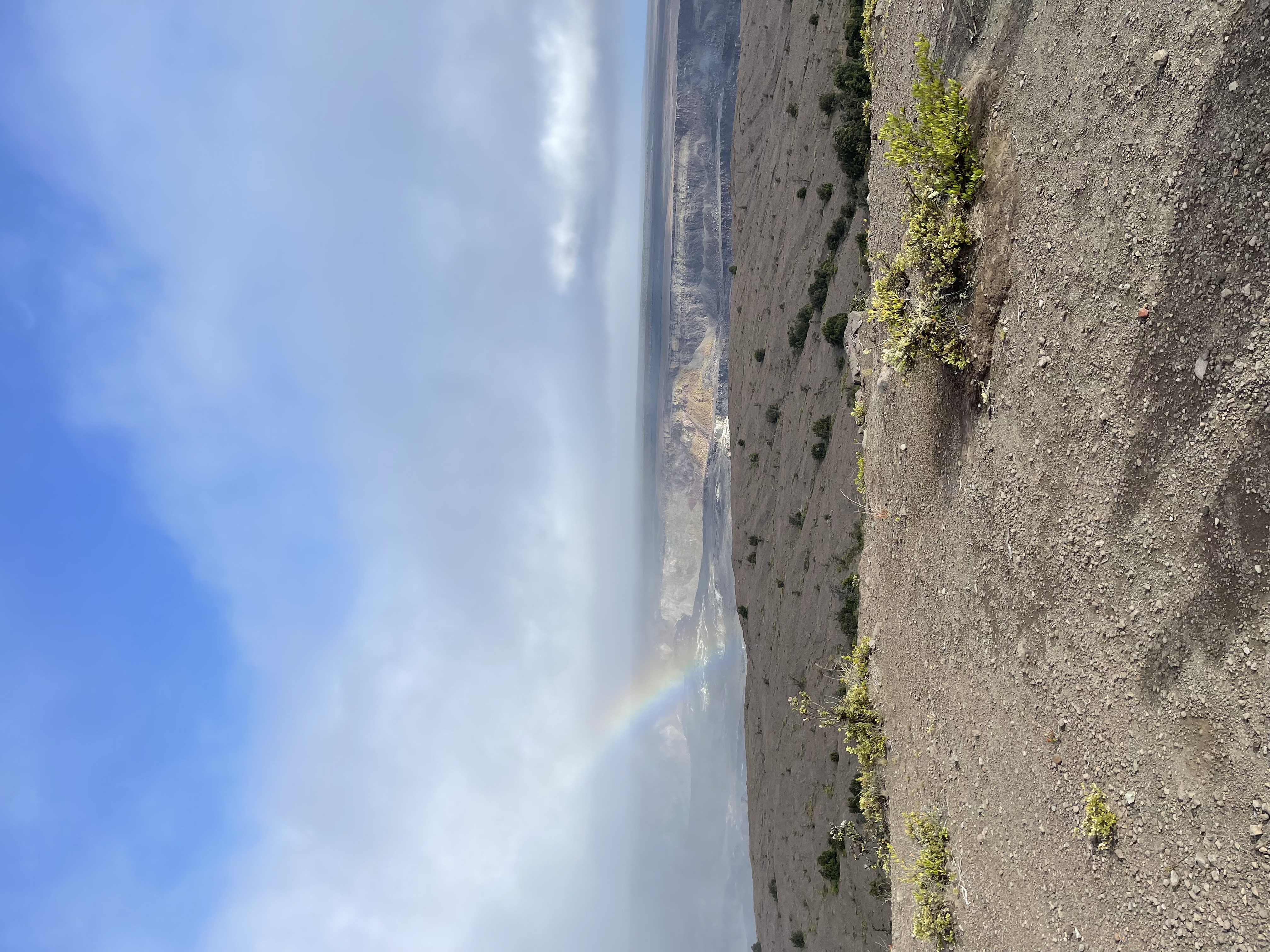
Head west along Crater Rim Drive. The first major stop is the Kīlauea Overlook, which offers a breathtaking panoramic view of the vast Kīlauea Caldera and the Halemaʻumaʻu crater within it. This is your first real "wow" moment. You'll see steam rising from the crater floor and, if an eruption is active, you might even spot signs of it during the day.
A short drive further, you'll find the Steam Vents (Wahinekapu). Here, groundwater seeps down to hot volcanic rocks and rises as billows of steam. It's a tangible reminder of the heat just below your feet. Across the road is the Haʻakulamanu (Sulphur Banks) trail, a short, paved path where volcanic gases deposit colorful sulfur crystals on the rocks. Be mindful of the fumes, which can be irritating, especially for those with respiratory issues.
Midday (12:00 PM – 3:00 PM): Kīlauea Iki Trail & A Walk Through Time
This is the most active part of your day. You have two excellent options here, depending on your fitness level and interest in hiking.
Option 1: The Kīlauea Iki Trail (The Must-Do Hike)
If you do only one hike in the park, make it this one. The Kīlauea Iki ("Little Kīlauea") Trail is a 4-mile (6.4 km) loop that is consistently rated one of the best day hikes in Hawaiʻi. The trail begins in a lush rainforest on the crater's rim, descends 400 feet to the crater floor, and takes you across a solid-but-still-steaming lava lake that formed during a spectacular 1959 eruption.
- Duration: Allow 2-3 hours.
- Difficulty: Moderate. The descent and ascent are steep and rocky in sections. The walk across the crater floor is relatively flat but uneven.
- What You'll See: Start at the Kīlauea Iki Overlook. As you cross the crater floor, look for steam rising from cracks and unique volcanic features left behind from the eruption. The contrast between the stark, black lava floor and the vibrant green rainforest on the crater walls is stunning.
Option 2: Nāhuku (Thurston Lava Tube)
If the full Kīlauea Iki hike is too much, a great alternative is a visit to Nāhuku, also known as the Thurston Lava Tube. It offers a taste of the volcanic underworld without a major time commitment. A short walk through a beautiful fern forest leads you to the entrance of a 500-year-old lava tube—a cave formed by a river of molten rock.
The walk-through portion of the tube is lit from 8:00 AM to 8:00 PM and takes about 20 minutes for the loop. Note that parking here is extremely limited, so you may need to park at the Kīlauea Iki Overlook and walk the half-mile trail to the lava tube entrance.
Afternoon (3:00 PM – 5:00 PM): Chain of Craters Road
After your hike, it's time for a scenic drive. Chain of Craters Road is an 18.8-mile (30 km) road that descends 3,700 feet from the summit of Kīlauea to the coast. The drive itself is the main attraction, showcasing a starkly beautiful landscape of successive lava flows from different eras. There are no services (food, water, gas) along this road, so be prepared.
Plan for about 90 minutes to 2 hours for the round trip, plus time for stops.
Key Stops Along the Way:
- Pauahi Crater: One of several pit craters you'll see along the drive.
- Puʻu Loa Petroglyphs: A 1.5-mile round-trip hike over pāhoehoe lava takes you to one of the largest fields of ancient Hawaiian rock carvings in the islands, with over 23,000 images.
- Hōlei Sea Arch: The road ends here. A short walk from the parking area leads to a viewpoint of this impressive 90-foot natural arch, carved by millennia of pounding surf.
The coastal environment here is often windy and hot. Gaze out at the vast expanse of the Pacific and imagine the fiery spectacle when lava flows from this volcano meet the sea.
Evening (5:00 PM onwards): Sunset and the Glow of Halemaʻumaʻu
As dusk approaches, head back up to the Kīlauea summit area. This is the grand finale. If Kīlauea is actively erupting, the molten lava within Halemaʻumaʻu crater creates a spectacular, otherworldly glow against the night sky.
The best viewing location changes based on the eruption's specific vents. The most common and accessible spots are along the rim of the caldera near the Kīlauea Overlook and Uēkahuna.
- What to Expect: The glow can range from a faint reddish light to a brilliant, pulsating fount of orange. It's a deeply moving, primeval sight.
- Be Prepared: It gets cold and windy at the summit after dark (elevation ~4,000 ft). Bring warm layers, a rain jacket, and a headlamp or flashlight for walking back to your car. The overlooks will be crowded; be patient and respectful of others.
After you've had your fill of the volcanic light show, you can head to Volcano Village for a late dinner or begin your drive back to Hilo or Kona.
What to Pack for Your Day
- Sturdy, closed-toe walking shoes
- Rain jacket (showers are common)
- Multiple layers of clothing (it can be hot at the coast and cold at the summit)
- Sunscreen, sunglasses, and a hat
- At least 1-2 liters of water per person
- Snacks and a picnic lunch
- Headlamp or flashlight for evening viewing
- Binoculars for better volcano viewing
- Fully charged phone and/or camera
Related Reading
- For another spectacular natural wonder: A Guide to Stargazing on Mauna Kea
- Explore more of the island's coastline: The Big Island's Best Beaches
- Find more trail inspiration: Top 5 Hikes on the Big Island