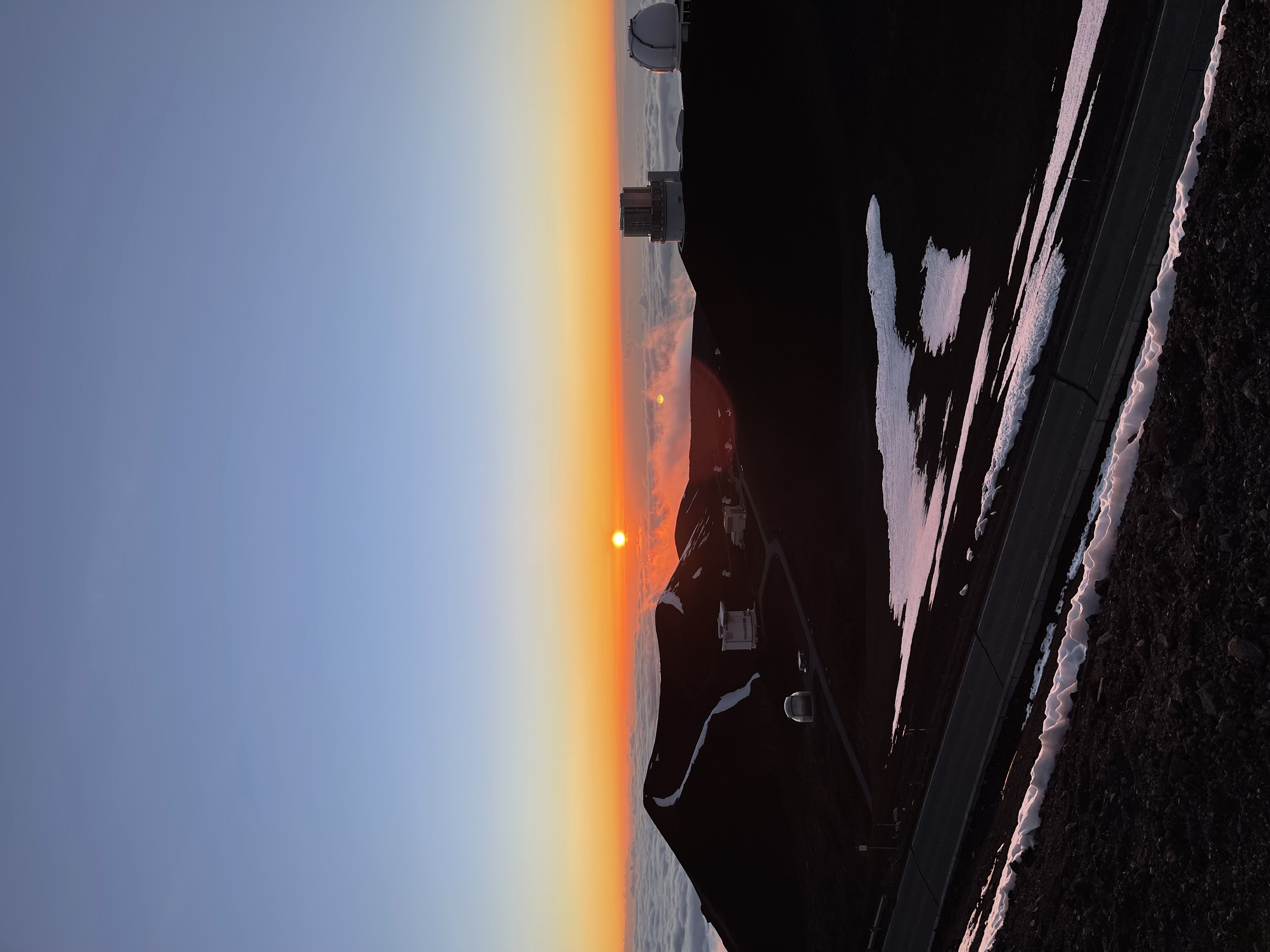
Mauna Kea Visitor Station: Your Guide to Free Stargazing
Experience the cosmos from 9,200 feet at the Maunakea Visitor Information Station. Our guide covers everything you need for the free, nightly stargazing program, from what to wear to how to get there.
The night sky above Hawaiʻi Island is one of the clearest and darkest on Earth, and you don’t need an expensive tour or a powerful telescope to experience its magic. The Maunakea Visitor Information Station (MKVIS) offers a free, public stargazing program that brings the universe into focus for everyone. Perched at 9,200 feet, it's an accessible gateway to the cosmos, but a little preparation is key to a comfortable and memorable night under the stars.
This guide will walk you through everything you need to know, from the drive up the mountain to the moment you first lay eyes on the Milky Way arcing overhead. We’ll cover what to wear (hint: it's cold!), how to acclimate to the altitude, and what you can expect from this unique Big Island experience.
Understanding the Maunakea Visitor Information Station
The Maunakea Visitor Information Station, often just called the VIS, is located on the slope of Maunakea at an elevation of 9,200 feet (2,800 meters). It serves two primary functions: a visitor center providing information about the mountain's natural and cultural history, and a crucial acclimatization stop for those heading to the much higher summit.
Operated by the University of Hawaiʻi, the VIS is the highest point on the mountain accessible by a standard vehicle. The road beyond this point to the summit at 13,796 feet is steep, unpaved in sections, and strictly requires a 4-wheel drive vehicle. The free stargazing program takes place right here, in the parking lots and designated viewing areas of the VIS, making it a fantastic and accessible option for most visitors.
It’s important to note the cultural significance of the mountain. Maunakea is a sacred place in Hawaiian culture, considered the realm of the gods and a connection point between the heavens and the earth. When you visit, you are a guest in a place of deep cultural importance. Please visit with respect (kuleana).
The Free Stargazing Program
The highlight for many visitors is the free nightly stargazing program. Weather permitting, volunteers and staff set up several high-powered telescopes for public viewing. These passionate amateur and professional astronomers guide you through the night sky, pointing out planets, distant galaxies, nebulae, and star clusters.
Here’s what you can generally expect:
- Telescopes: Several telescopes of various sizes are available for you to look through. Volunteers will be operating them, focused on different celestial objects throughout the evening.
- Guided Tour: Volunteers often use green laser pointers to trace constellations and share stories and scientific facts about what you’re seeing.
- Timing: The program typically starts just after dark and runs until around 10:00 PM. It’s best to check the official Maunakea Visitor Information Station website for the most up-to-date schedule, as it can change due to weather or other factors.
The program is informal. You can wander between telescopes, ask questions, or simply stand back and enjoy the magnificent view with your own eyes. On a clear, moonless night, the Milky Way is so bright it can feel like you could reach out and touch it.
A Note on Program Status
The VIS stargazing program has been subject to pauses and changes in recent years. Before you drive up, always check the official website or call the station for the current status. This guide is written assuming the program is operational, but verification is essential to avoid disappointment.
Planning Your Visit: What to Know Before You Go
A trip to the VIS requires more planning than a day at the beach. The altitude, temperature, and remote location all demand preparation.
Getting There
The VIS is located on Mauna Kea Access Road, which turns off from the Daniel K. Inouye Highway (formerly Saddle Road, Highway 200). This highway connects the east and west sides of the island.
- From Kailua-Kona or the Kohala Coast: The drive is approximately 1.5 hours. Take Highway 190 and then Daniel K. Inouye Highway (Highway 200) east.
- From Hilo: The drive is just over an hour. Take the Daniel K. Inouye Highway (Highway 200) west.
The turn-off for Mauna Kea Access Road is well-marked near the Puʻu Huluhulu cinder cone. From the turn-off, it’s a 6-mile, paved, and sometimes steep drive up to the Visitor Station. The road is well-maintained but drive carefully, especially after dark on your way down.
Vehicle Requirements
You do not need a 4-wheel drive vehicle to reach the Maunakea Visitor Information Station. Any standard rental car in good condition can make the drive. The 4WD requirement only applies to the road beyond the VIS to the summit.
Acclimatizing to the Altitude
At 9,200 feet, the air contains about 30% less oxygen than at sea level. According to the National Park Service guidelines for high elevations, this can affect anyone, regardless of age or physical fitness. Altitude sickness is a real risk.
- Stop and Rest: The primary purpose of the VIS is to serve as an acclimatization point. Plan to spend at least 30-60 minutes at the VIS after you arrive, moving slowly and letting your body adjust before doing much walking.
- Stay Hydrated: Drink plenty of water before and during your visit. Avoid alcohol.
- Who Should Be Cautious: The University of Hawaiʻi advises that children under 13, pregnant women, and individuals with heart or respiratory conditions should not go above the VIS to the summit. While the VIS is lower, it’s still high altitude. Consult your doctor if you have any health concerns.
What to Wear and Bring
This is perhaps the most important part of your preparation. It gets very cold on Maunakea as soon as the sun sets. Temperatures frequently drop to freezing or below, even when it's warm at the coast.
| Item Category | Recommended Items |
|---|---|
| Clothing | Long pants, multiple warm layers (fleece, sweater), a winter jacket, hat, and gloves. |
| Footwear | Closed-toe shoes like sneakers or hiking boots. Absolutely no sandals or flip-flops. |
| Sustenance | Water, water, and more water. Some warm tea or coffee in a thermos is also a great idea. Bring snacks. |
| Lighting | A red-light flashlight is essential. White light ruins night vision for you and everyone around you. You can cover a regular flashlight with red cellophane. |
| Comfort | A folding camp chair or a blanket to sit on can make your viewing experience much more comfortable. |
The Summit vs. The Visitor Station
It’s crucial to understand the difference between visiting the VIS and the summit. The free stargazing program happens only at the Visitor Station.
The summit at 13,796 feet is home to the world's most advanced astronomical observatories. Access is restricted and requires a robust 4WD vehicle. Most rental car agreements prohibit taking their vehicles on the summit road. While the views are otherworldly, there are no public stargazing programs at the summit, and visitors are generally required to descend within 30 minutes of sunset. For most travelers, the VIS provides the best and most accessible stargazing experience on the mountain.
A well-planned Big Island itinerary can include many different types of adventures. For some ideas on how to structure a complete trip, check out our luxury travel options at High End Hawaii to see how an evening of stargazing can fit into a larger vacation.
Respect for the Mountain (Kuleana)
Maunakea holds a sacred place in Native Hawaiian culture and cosmology. It is the home of deities, the burial ground of ancestors, and a spiritual center. When you visit, you are a guest in a cherished, living cultural landscape.
- Stay on Marked Paths: Do not wander off trails or disturb any rock piles or cultural sites.
- Pack It In, Pack It Out: Leave no trace. Take all of your trash with you.
- Keep it Dark: The darkness is a resource for both the telescopes and the stargazers. Use only red lights in the viewing areas. Even a brief flash of a phone screen or a white flashlight can ruin everyone's night vision for up to 30 minutes.
- Be Quiet and Respectful: Speak in low voices. The atmosphere at the VIS is one of quiet awe. Let everyone enjoy the peacefulness of the experience.
Visiting Maunakea is a privilege. By practicing respectful tourism, you help preserve this incredible resource for generations to come.
Related Posts:
- A Guide to Driving to the Maunakea Summit: /blog/mauna-kea-summit-guide
- The Best Stargazing Spots on the Big Island: /blog/best-stargazing-spots-big-island
- Understanding the Daniel K. Inouye (Saddle) Road: /blog/saddle-road-hawaii-guide