Your Complete Guide to the Mauna Kea Visitor Information Station
The Visitor Information Station on Mauna Kea is more than a rest stop—it's your gateway to high-altitude safety and celestial wonders. Here's what you need to know.
The drive up Mauna Kea is one of the most dramatic experiences on the Big Island, taking you from sea level to the heavens. But before you aim for the 13,803-foot summit, there's a crucial stop you must make: the Mauna Kea Visitor Information Station (VIS). Located at a lofty 9,200 feet (2,800 meters), this station is your essential hub for safety, acclimatization, and some of the best stargazing on the planet.
Many travelers think of the VIS, now officially named Hale Pōhaku, as just a bathroom break. But to do so is to miss its primary purpose. It's the place to let your body adjust to the altitude, check ever-changing road conditions, and connect with the profound celestial landscape you're about to enter.
What is the Mauna Kea Visitor Information Station?
The Mauna Kea Visitor Information Station (VIS), located within the Hale Pōhaku Mid-Level Facilities, serves as the main support and safety checkpoint for visitors to Mauna Kea. For decades, it has been the dividing line between the paved road accessible to all cars and the rugged 4x4-only road to the summit.
Its primary functions are:
- Acclimatization: Providing a place for visitors to rest and acclimate to the high altitude before proceeding higher.
- Information: Offering crucial, real-time updates on weather, road safety, and summit access.
- Education: Hosting stargazing programs and providing information about Mauna Kea's unique geology, ecology, and cultural significance.
- Safety: Serving as a base for rangers who monitor conditions and assist visitors.
It’s important to note the name change. While nearly everyone still refers to it as the VIS, the facility is properly known as Hale Pōhaku (“Stone House”). This is the same name used for the nearby dormitories that house astronomers and technicians who work at the summit observatories.
Getting to the VIS at Hale Pōhaku
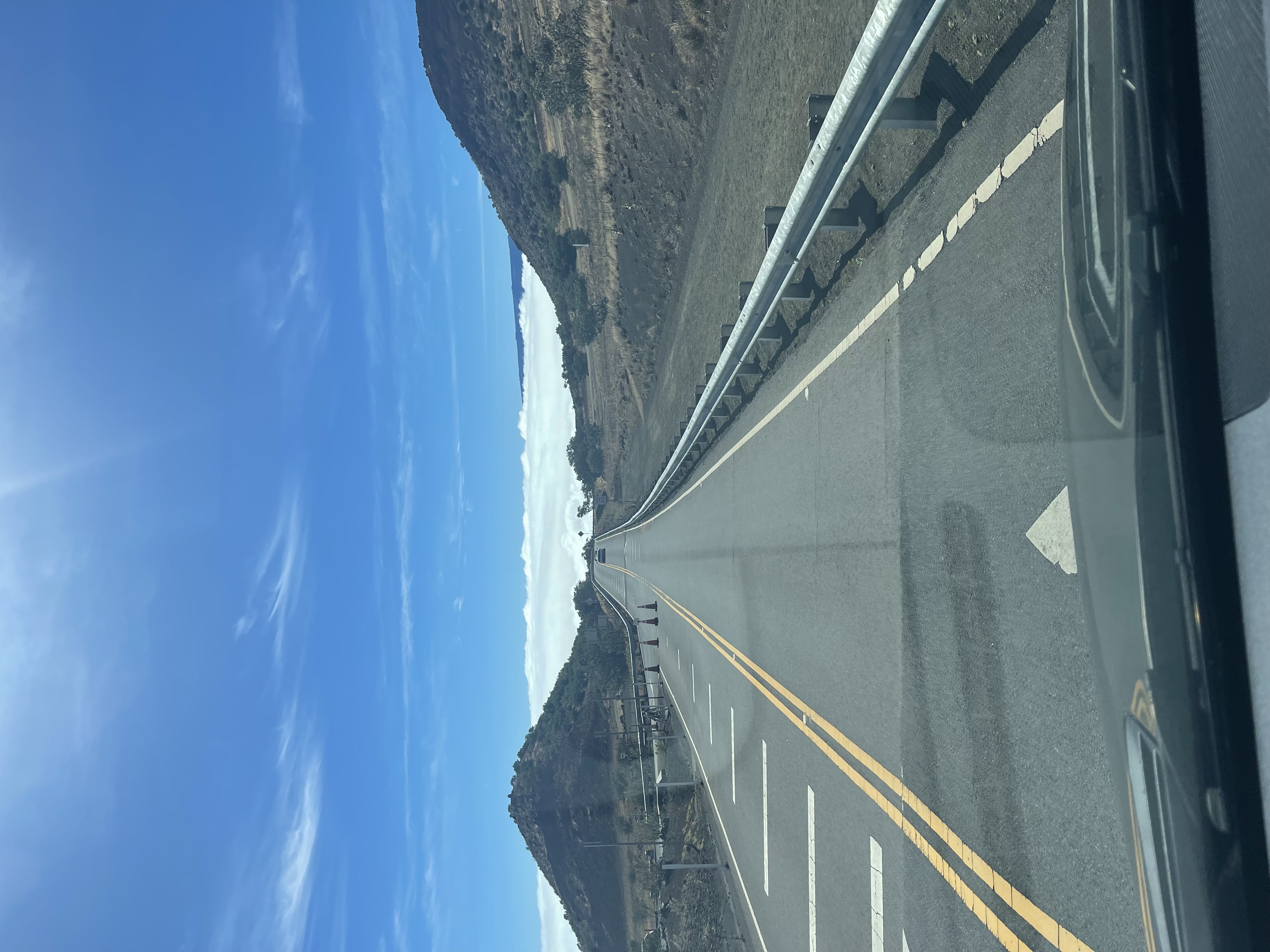
Reaching the VIS is a beautiful journey itself. It’s located on the Mauna Kea Access Road, which begins around the 28-mile marker of the Daniel K. Inouye Highway (formerly Saddle Road).
- From Kailua-Kona: Expect a drive of about 1.5 to 2 hours (around 60 miles). You'll take Highway 190 and then cut across on the Daniel K. Inouye Highway (Highway 200).
- From Hilo: The drive is shorter, typically around 1 hour (about 35 miles), heading west on the Daniel K. Inouye Highway.
The Mauna Kea Access Road is fully paved up to the Visitor Information Station. This means any standard rental car can safely and legally make it to the VIS at 9,200 feet. The road is winding and climbs steadily, so drive with care, especially as the sun sets and other drivers are heading down.
Stargazing Programs at the Visitor Station
For many, the main event at the VIS is the stargazing. The air at 9,200 feet is thin, dry, and far from the light pollution of the coastal towns, creating an unbelievably clear view of the night sky.
Historically, the VIS hosted a renowned nightly stargazing program where rangers and volunteers would set up powerful telescopes for public viewing. However, the status of these programs has been in flux. It is absolutely essential to check the official University of Hawaiʻi Maunakea VIS website for the latest information on program schedules, hours, and availability before you go.
Even if there is no formal program running during your visit, the parking lot of the VIS is one of the best amateur astronomy spots in the world. Visitors are welcome to park, pull out their own binoculars, or simply gaze upward in awe at the Milky Way, which stretches across the sky like a luminous cloud. Remember to use a red-light flashlight to preserve night vision for yourself and others.
Acclimatization: The Real Reason You Stop
While the stars are a huge draw, the most important function of the VIS is safety. Ascending from sea level to nearly 14,000 feet too quickly can cause serious Acute Mountain Sickness (AMS). The State of Hawaiʻi and the NPS strongly advise against it.
The VIS at 9,200 feet is the perfect place to pause your ascent. Official recommendations are to spend at least 30-60 minutes at the VIS to allow your body to begin adjusting to the lower oxygen levels. Use this time to use the restroom, look at the displays, and walk around slowly. Pay attention to how you feel. If you feel dizzy, nauseous, or have a headache, do not proceed to the summit.
This acclimatization stop is mandatory for your well-being. Rushing to the summit is dangerous and ruins the experience for many who try it.
What to Expect: Facilities and Hours
The VIS is a functional, not luxurious, facility. Here’s what you can expect to find:
- Restrooms: Public restrooms are available.
- Information Desk: When open, rangers provide updates on road and weather conditions.
- Gift Shop: A small shop sells souvenirs, warm gear (like gloves and beanies, which you will need), and sometimes hot drinks or snacks. Do not rely on it for a full meal.
- Parking: A large parking lot accommodates visitors, but it can fill up quickly around sunset.
There is no gasoline available on Mauna Kea. Fill your tank completely in Hilo, Kona, or Waikōloa Village before heading up. There are also no restaurants. Bring ample water and any food you’ll need for your visit.
Driving Beyond the VIS to the Summit
To continue past the Visitor Station to the summit requires a true 4-Wheel Drive (4WD) vehicle with low-range gearing. All-Wheel Drive (AWD) vehicles like Subaru Foresters or many compact SUVs are not permitted past the VIS by the rangers.
The road beyond the VIS includes five miles of steep, unpaved gravel and washboard grades. It is a challenging drive that should only be undertaken by experienced drivers.
Furthermore, most rental car companies explicitly prohibit taking their vehicles on the Mauna Kea Access Road beyond the VIS. Violating this clause in your rental agreement can make you liable for all damages and towing costs, which can be exorbitant. For this reason, many visitors opt for a guided tour. Expert local guides and tour operators on the island offer safe transport and deep knowledge, which is a great option for a stress-free trip. You can find many reputable options across the Big Island, and a general search at https://highendhawaii.com can be a starting point for island planning.
Know Before You Go: Essential Tips
- Check Conditions First: Always check the Maunakea Weather Center forecast and the VIS website for road status before you start your drive.
- Bring Warm Clothes: It is not an exaggeration. Temperatures at the VIS are often near freezing after dark. You need layers, a warm jacket, long pants, a hat, and gloves. Tourists in shorts and flip-flops are a common, and miserable, sight.
- Fill Up Your Gas Tank: A full tank of gas is essential. You’ll use more fuel than you expect climbing, and there are no services on the mountain.
- Pack Water and Snacks: Stay hydrated to help with altitude, and bring snacks to keep your energy up.
- Health Precautions: According to USGS guidelines, pregnant women, individuals with heart or respiratory conditions, and children under 13 should not go to the summit. The VIS is generally considered safe for most, but consult your doctor if you have concerns.
- Show Respect: Mauna Kea is a sacred place in Hawaiian culture. Visitors are asked to be respectful, stay on marked paths, and not remove any rocks or other natural items.
Related Reading
- A Guide to Stargazing on Mauna Kea:
/blog/mauna-kea-stargazing-guide - Driving on the Big Island: Tips You Need to Know:
/blog/big-island-driving-tips - The Ultimate Big Island Packing List:
/blog/what-to-pack-for-hawaii