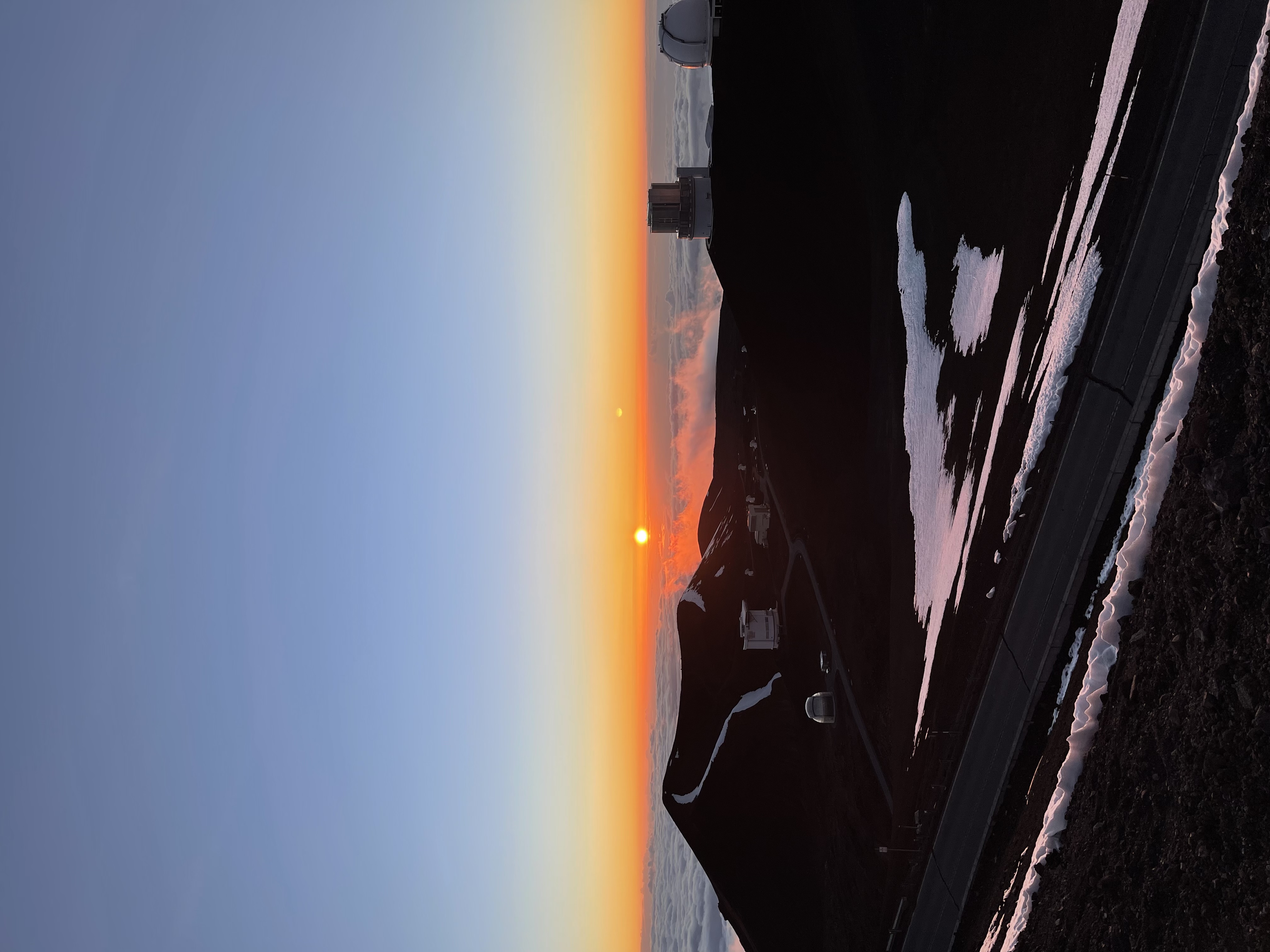
Mauna Kea Visitor Center: A Guide to Stargazing & Summit Access
The visitor station on Mauna Kea is your gateway to the heavens. It offers world-class stargazing and is an essential stop for acclimatization before heading to the summit.
The Mauna Kea Visitor Information Station (VIS), recently renamed the ʻImiloa Maunakea Information Station, serves as the essential basecamp for anyone venturing up Hawaiʻi's tallest volcano. Perched at 9,200 feet (2,800 meters), this humble outpost is a hub for world-class stargazing, a critical acclimatization point, and the last stop before the rugged journey to the 13,803-foot summit. Whether you're aiming for the top or just want to gaze at the cosmos, a stop at the VIS is a mandatory and memorable part of any Mauna Kea adventure.
What is the Mauna Kea Visitor Information Station?
Operated by the University of Hawaiʻi, the Visitor Information Station's primary purpose is safety and education. It's not a luxury tourist center, but a practical facility designed to prepare visitors for the extreme conditions at higher elevations. Here, you can get the latest road and weather updates, learn about the mountain's unique geology and cultural significance, and—most importantly—allow your body to adjust to the thinner air.
Its location on the slopes of Mauna Kea, high above the cloud layer and far from city lights, makes it one of the most accessible and highest-quality public stargazing sites in the world. Even if you don't plan on driving to the summit, an evening at the VIS is an unforgettable experience.
Getting to the Visitor Station
The drive to the Visitor Information Station is an adventure in itself. From either the Hilo or Kona side of the island, you will take Saddle Road (Daniel K. Inouye Highway, or Highway 200). This modern, well-maintained highway cuts through the dramatic landscape between Mauna Kea and Mauna Loa.
From Saddle Road, you will turn onto the Mauna Kea Access Road. The drive from the turn-off to the VIS is about 6.5 miles and takes approximately 15-20 minutes. This portion of the road is fully paved and, under normal weather conditions, is accessible by any standard 2-wheel-drive vehicle. The grade is steep, so be prepared for your car to work hard on the way up.
- From Kailua-Kona: Approximately 1.5 hours
- From Hilo: Approximately 1 hour
Always start with a full tank of gas before leaving Hilo, Kona, or Waimea. There are no fuel stations anywhere on Saddle Road or Mauna Kea.
Stargazing Programs at the VIS
The main draw for many visitors is the nightly stargazing program. On most clear nights, staff and volunteers set up several high-powered telescopes outside the station for public viewing. These programs are typically free and offer a guided tour of the cosmos.
Here's what to expect:
- Telescopes: You'll have the chance to look through various telescopes aimed at planets, distant galaxies, nebulae, and star clusters. Knowledgeable guides will explain what you're seeing and answer questions.
- Laser Pointer Tour: One of the highlights is the "laser pointer tour of the sky." A guide uses a powerful (and legally regulated) green laser to point out constellations, stars, and celestial objects, making the vastness of space feel a little more intimate.
- When to Arrive: The stargazing program usually begins shortly after sunset. It's best to arrive while it's still light to secure parking and get your bearings. Parking is limited and can fill up quickly, especially on clear nights and weekends.
Important Note: To preserve night vision for all attendees, only red-light flashlights are permitted in the viewing area. You can buy one at the station or simply cover a regular flashlight with red cellophane. The white light from car headlights and phone screens is highly disruptive.
Acclimatizing for the Summit
If you plan to continue to the summit of Mauna Kea, stopping at the VIS is not just recommended—it's crucial for your health and safety. The University of Hawaiʻi, which manages the access road, strongly advises all visitors to spend at least 30-60 minutes acclimatizing at the 9,200-foot level before proceeding higher.
Altitude sickness, or Acute Mountain Sickness (AMS), is a serious condition that can affect anyone, regardless of age or physical fitness. Symptoms include headaches, nausea, dizziness, and shortness of breath. Ascending too quickly from sea level to nearly 14,000 feet puts you at high risk. A brief stop at the VIS allows your body to begin adjusting to the significantly lower oxygen levels, reducing your risk of getting sick.
Listen to your body. If you feel unwell at the VIS, do not proceed to the summit.
The Road to the Summit: 4WD Only
Beyond the Visitor Information Station, the journey to the summit becomes significantly more challenging. The Mauna Kea Access Road changes from pavement to a steep, winding, and often washboarded gravel road for about 5 miles.
This section is strictly for 4-wheel-drive vehicles with low-range gearing.
This is not a suggestion; it's a firm rule enforced for safety. Standard AWD SUVs are not sufficient. The brakes on regular cars can overheat and fail on the steep descent. Most rental car companies on the Big Island explicitly forbid taking their vehicles on this part of the road, and doing so will void your rental agreement. Rangers may be present to check vehicles before allowing them to proceed.
Driving this section requires experience and confidence. You must use your 4WD low gear (4-Lo) on both the ascent and descent to control your speed and prevent brake failure. If you are not comfortable with these conditions, consider booking a guided tour. A tour is a great option that handles the driving and logistics, allowing you to simply enjoy the incredible experience. For a comprehensive look at your options, consider resources like those found at https://highendhawaii.com when planning your island-wide itinerary.
Facilities and What to Bring
The VIS is a functional, not a fancy, facility. Come prepared.
Available at the VIS
- Restrooms: Flush toilets are available.
- Information: Rangers and staff provide weather, road, and safety information.
- Gift Shop: A small shop sells warm clothing, snacks, hot beverages (often just hot water for instant soup/coffee), and educational materials. The selection is limited and can be pricey.
- First Aid: Basic first aid is available.
What to Bring
| Item | Reason |
|---|---|
| Warm Layers | Temperatures at 9,200 ft drop into the 30s-40s°F (0-5°C) at night, year-round. Bring jackets, hats, gloves, and long pants. |
| Full Tank of Gas | There is no gas on Mauna Kea. Fill up in Hilo, Kona, or Waimea. |
| Water & Snacks | Stay hydrated to help with acclimatization. Bring more food than you think you'll need. |
| Red-Light Flashlight | Essential for navigating the stargazing area without ruining night vision. |
| Sunscreen & Sunglasses | If visiting during the day, the sun at this altitude is extremely intense. |
| Patience | Parking is limited and lines for telescopes can be long. Enjoy the moment. |
Know Before You Go
- Check the Status: Conditions on Mauna Kea can change rapidly. The road can close due to high winds, ice, snow (yes, even in Hawaiʻi!), or other hazards. Always check the official Mauna Kea Weather Center (MKO) website for current road status and weather forecasts before you go.
- Cultural Significance: Mauna Kea is a sacred place in Hawaiian culture, considered the realm of the gods and the piko (umbilical cord) connecting the land to the heavens. Please be respectful. Do not leave any trash, stay on marked paths, and behave with reverence.
- Health Considerations: The National Park Service and other health authorities advise that pregnant women, individuals with heart or respiratory conditions, and children under 13 should not venture above the VIS to the summit due to the risks associated with high altitude.
Related Reading
- Your Guide to Driving to the Mauna Kea Summit: /blog/mauna-kea-summit-drive
- The Ultimate Big Island Stargazing Guide: /blog/big-island-stargazing-guide
- Exploring Saddle Road: The Highway Between Volcanoes: /blog/saddle-road-hawaii-guide