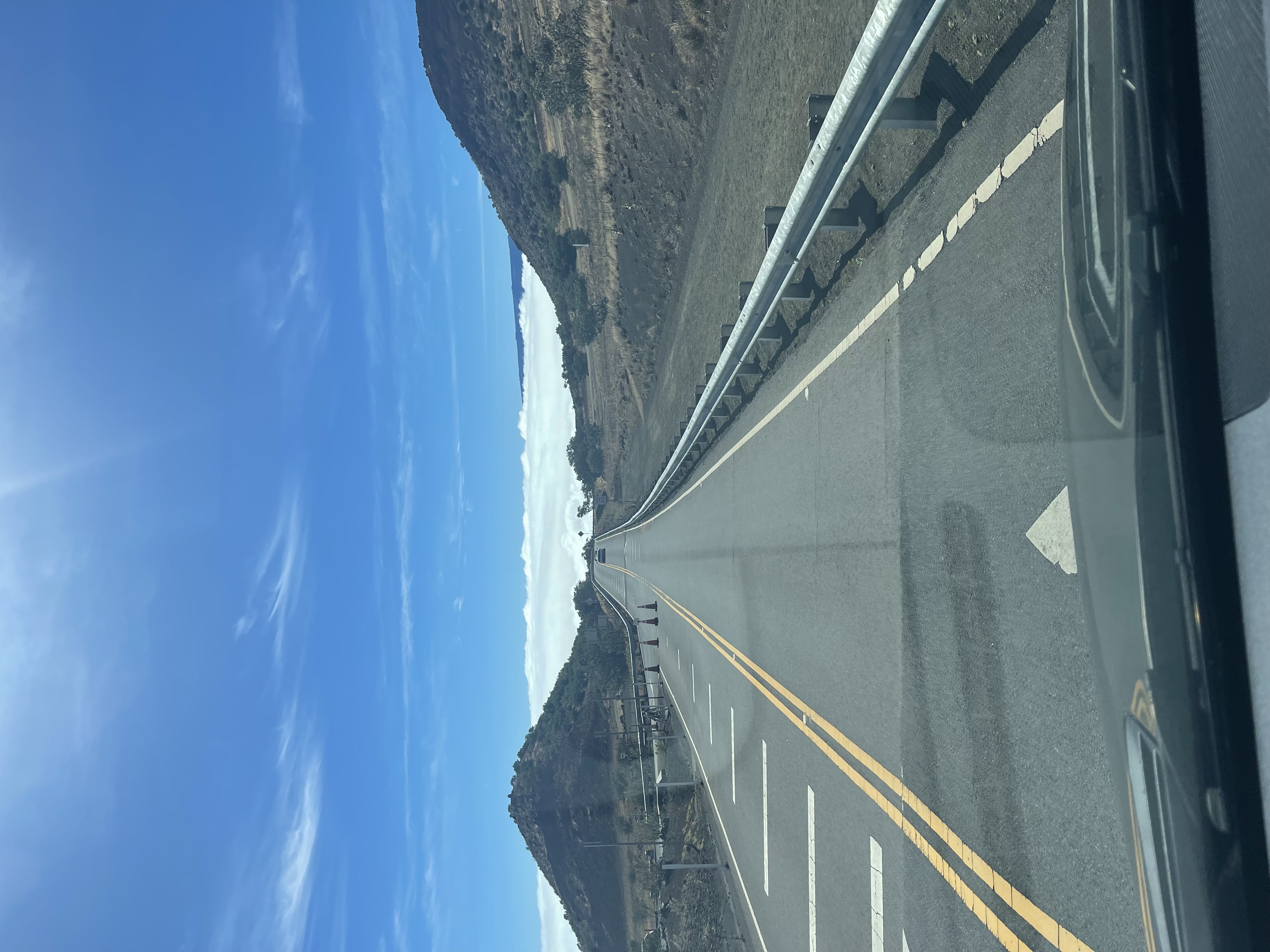
Mauna Kea Summit Tour: A Complete Guide to Going Up
A tour is the safest and most rewarding way to experience the sunset and stars from the summit of Mauna Kea. Here’s what you need to know before you book.
A journey to the summit of Mauna Kea is, without exaggeration, one of the most profound experiences you can have in Hawaiʻi. Standing at 13,803 feet, you are literally above the clouds, watching the sun set across a lunar landscape before a blanket of stars unfolds in the clear, cold sky. But getting there isn't as simple as driving up in your rental car. For safety, access, and a far richer experience, a guided Mauna Kea summit tour is the best and most highly recommended way to go.
This guide breaks down everything you need to know about choosing and taking a Mauna Kea tour, from what happens on the trip to the critical safety and cultural considerations involved in visiting this sacred mountain.
Why Take a Tour to the Mauna Kea Summit?
While the idea of a DIY adventure is tempting, there are compelling reasons why nearly all visitors opt for a guided tour. In fact, for most, it's the only viable option.
- Safety and Vehicle Access: The road to the summit from the Visitor Information Station (VIS) is steep, unpaved, and treacherous. All major rental car companies on the Big Island explicitly forbid taking their vehicles on this road. Doing so voids your contract and leaves you liable for all damages and expensive towing fees. Tour companies use specially equipped 4x4 vans and have drivers experienced in navigating the hazardous conditions, especially brake management on the descent.
- Expert Guidance: A knowledgeable guide transforms the trip from a simple sunset viewing to a rich educational experience. They share insights into Hawaiian astronomy, geology, and the unique ecology of the mountain. Critically, a good guide will also provide context on the cultural significance of Mauna Kea as a place held sacred by Native Hawaiians.
- Stargazing Equipment & Knowledge: After sunset, tours descend to a lower, safer elevation for stargazing. Guides bring along high-powered telescopes (often 11" or 14" Schmidt-Cassegrains) and use laser pointers to trace constellations, identify planets, and show you nebulae and galaxies invisible to the naked eye. This is a highlight you simply can't replicate on your own.
- Comfort and Convenience: Tours are all-inclusive. They typically provide warm parkas and gloves (it gets to freezing temperatures), a hot meal or substantial snacks, and hot beverages. They handle the driving, the logistics, and the timing, allowing you to simply immerse yourself in the experience.
What to Expect on a Typical Summit Tour
While details vary between companies, most Mauna Kea summit and stargazing tours follow a similar itinerary that lasts about 7-8 hours.
- Afternoon Pickup: Your tour will begin with a mid-afternoon pickup from a designated location, often in Kailua-Kona, Waikoloa, or sometimes Hilo.
- Acclimatization Stop: The first major stop is at the Maunakea Visitor Information Station (VIS) at 9,200 feet (2,800m). This is a mandatory stop for everyone heading to the summit to help your body begin to acclimatize to the altitude. You'll typically spend 30-60 minutes here. Many tours serve dinner or a heavy snack during this time.
- The Journey to the Summit: From the VIS, you'll switch to 4-wheel drive for the final 45-minute ascent up the steep, gravel road. The landscape transforms into a surreal, red-earthed environment that feels more like Mars than a tropical island.
- Sunset Above the Clouds: Your guide will park near the summit (13,803 ft / 4,207m), and you'll have time to walk around, see the world-class observatories from the outside (tours do not go inside them), and witness an unforgettable sunset. Seeing the sun dip below a sea of clouds is a truly magical moment.
- Descent for Stargazing: It is unsafe to remain at the high altitude for extended periods after dark. After sunset, your group will descend back towards the VIS to a darker, lower-elevation spot around 9,000-10,000 feet. This is where the main stargazing event happens.
- Guided Stargazing: In the crisp, clear air, your guide will set up a powerful telescope. You'll be treated to stunning views of the moon's craters, Saturn's rings, Jupiter's moons, and distant galaxies, all while sipping hot chocolate to stay warm.
- Return: After an hour or so of stargazing, you'll begin the long drive back, arriving at your drop-off point late in the evening.
Health, Safety, and Altitude Sickness
This is the most important section of this guide. The summit of Mauna Kea is at an extremely high altitude, and the thin air poses real health risks. Tour operators adhere to strict safety protocols for a reason. Heed this advice.
According to the Maunakea Visitor Information Station, the following individuals should not ascend above the VIS:
- Pregnant women
- Children under the age of 13
- Individuals with heart or severe respiratory conditions (e.g., high blood pressure, asthma)
- Anyone in poor physical health
Acute Mountain Sickness (AMS) is a common concern. Symptoms include headache, nausea, dizziness, and shortness of breath. To minimize your risk:
- Hydrate: Drink plenty of water the day before and the day of your tour.
- Avoid Alcohol: Do not consume alcohol within 24 hours of your tour.
- Move Slowly: The thin air means there is less oxygen. Don't rush or exert yourself at the summit.
- No Scuba Diving: Do not go to the summit within 24 hours of scuba diving.
Listen to your body and your guide. If you feel unwell, inform your guide immediately.
The Sacred Nature of Mauna Kea
Mauna Kea is far more than a mountain; it is a sacred place in Hawaiian culture. It is considered the piko, or spiritual center, and a place where the heavens connect with the earth. It is the home of deities, the burial ground of ancestors, and a site for cultural practices.
The presence of the observatories on the summit is a source of deep pain and ongoing controversy for many Kānaka Maoli (Native Hawaiians). When you visit, it's essential to do so with the utmost respect.
- Behave Reverently: You are a guest in a place akin to a temple or cathedral. Use a quiet voice and be mindful of your actions.
- Stay on Marked Paths: Do not wander. The landscape is fragile and contains culturally significant sites that are not always visible to the untrained eye.
- Leave No Trace: Do not leave anything behind or take anything with you (not even a small rock).
- Listen to Your Guide: A good tour guide will discuss the cultural importance of the mountain. This is a vital part of the experience.
What to Wear and Pack
Even if it's 85°F at the beach, it will be cold on the mountain. Temperatures at the summit are often at or below freezing (32°F / 0°C), with significant wind chill.
| What to Wear/Bring | Provided by Most Tours? | Notes |
|---|---|---|
| Long Pants (jeans, hiking) | No | Absolutely required. No shorts. |
| Closed-Toe Shoes (sneakers) | No | Absolutely required. No sandals or flip-flops. |
| Layered Shirts | No | A t-shirt with a fleece or sweatshirt over it. |
| Warm Socks | No | Wool socks are a great choice. |
| Warm Winter Parka | Yes | Most tours provide heavy-duty hooded parkas. |
| Gloves | Yes | Often provided, but bringing your own isn't a bad idea. |
| Water Bottle | Sometimes | Hydration is key. Bring your own to be safe. |
| Sunscreen & Sunglasses | No | The sun is intense at high altitude. |
Is a Mauna Kea Tour Worth It?
For most visitors, the answer is a resounding yes. While not an inexpensive outing, the cost is justified by the safety, access to restricted areas, specialized equipment, and invaluable knowledge provided by the guides. Attempting to visit the summit on your own is impractical and unsafe. The combination of a spectacular sunset, the cultural education, and seeing the cosmos through a powerful telescope makes a Mauna Kea summit tour a highlight of any trip to the Big Island of Hawaiʻi.