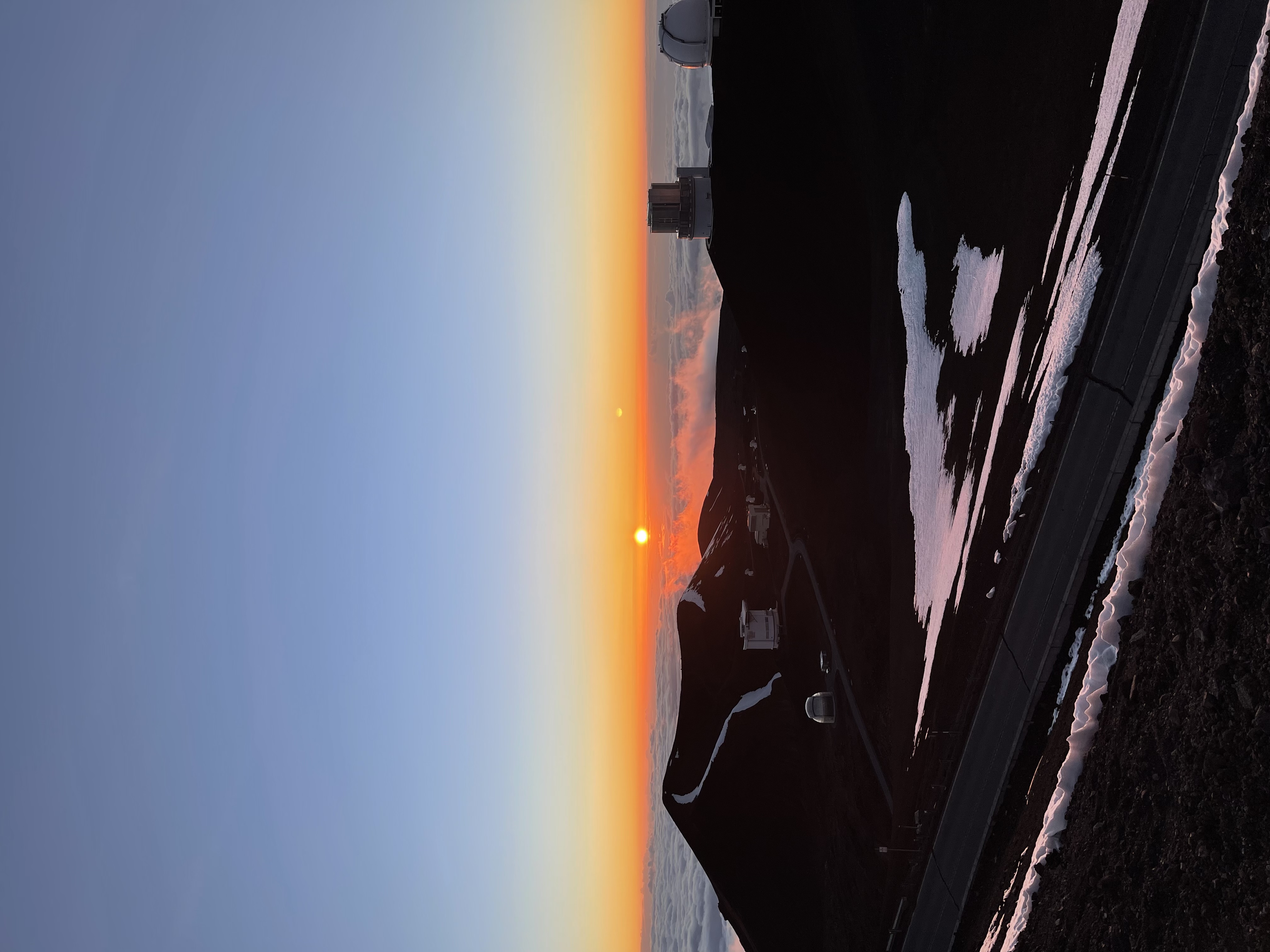
Essential Mauna Kea Altitude Sickness Tips for a Safe Visit
Visiting the summit of Mauna Kea is a breathtaking experience, but the rapid ascent to 13,803 feet carries a real risk of altitude sickness. Here’s what you need to know to stay safe.
A journey to the summit of Mauna Kea is unlike any other on Earth. In just a couple of hours, you can travel from a tropical beach to an alpine desert above the clouds, a sacred landscape housing the world’s most advanced observatories. But this rapid journey to 13,803 feet (4,207 meters) comes with a significant and often underestimated health risk: altitude sickness.
Understanding and respecting the power of the mountain is key to a safe and enjoyable visit. This guide covers the essential Mauna Kea altitude sickness tips, from preparation on the ground to recognizing symptoms at the summit, so you can focus on the awe-inspiring beauty around you.
What Is Altitude Sickness?
Altitude Sickness, or Acute Mountain Sickness (AMS), is a physical response to the lower oxygen levels and decreased air pressure found at high elevations. Your body has to work much harder to get the oxygen it needs, and AMS occurs when your body can't adjust quickly enough to the change.
Symptoms are often described as being similar to a bad hangover and can include:
- Headache (the most common first sign)
- Nausea and vomiting
- Fatigue and weakness
- Dizziness or lightheadedness
- Shortness of breath
- Difficulty sleeping
In rare but serious cases, AMS can progress to life-threatening conditions: High-Altitude Cerebral Edema (HACE), which is fluid buildup in the brain, and High-Altitude Pulmonary Edema (HAPE), fluid buildup in the lungs. Both are medical emergencies requiring immediate descent and medical attention.
Why Mauna Kea Poses a Unique Risk
The primary danger with Mauna Kea is the extremely rapid ascent. Unlike trekking in the Himalayas or Andes where climbers take days to gradually gain elevation, visitors to Mauna Kea can drive from sea level to the summit in under two hours. This gives the body virtually no time to acclimatize.
The University of Hawaiʻi, which manages the science reserve, explicitly warns: "The summit of Maunakea is one of Earth's most pristine and revered locations, but it is a hostile, high-altitude environment." At the summit, there is 40% less oxygen than at sea level. This physiological stressor is significant and should not be taken lightly.
Because of this rapid ascent, even people who have never had altitude sickness before are at risk. Your physical fitness, age, or gender has no bearing on your susceptibility to AMS.
Who Should NOT Go to the Summit
Due to the significant physiological risks, official guidelines from the Center for Maunakea Stewardship strongly recommend that the following individuals do not go to the summit:
- Children under 13: Their bodies are more susceptible to altitude-related health issues.
- Pregnant women: The effects of high altitude on an unborn fetus are not well known, and the risk is not worth taking.
- Individuals with heart or respiratory conditions: This includes high blood pressure, asthma, and any chronic lung disease.
- Anyone who has been scuba diving within the last 24 hours: The combination of nitrogen in the blood from diving and the low pressure at altitude can cause severe decompression sickness.
If you have any doubts about your health, consult your doctor before planning a trip to the summit.
Before You Go: How to Prepare for the Altitude
Preparation is the single most important factor in preventing altitude sickness. Don't just jump in your car and head up the mountain.
1. The Acclimatization Stop is Mandatory
This is the most critical step. Everyone should stop at the Onizuka Center for International Astronomy Visitor Information Station (VIS), located at 9,200 feet (2,800 meters), for a minimum of 30 minutes, though an hour is highly recommended. This pause allows your body to begin the process of adjusting to the lower oxygen levels before you ascend to the even thinner air at the summit.
2. Hydrate, Hydrate, Hydrate
Begin hydrating 24 to 48 hours before your trip. The dry, high-altitude air will dehydrate you quickly. Drink plenty of water and avoid diuretics like alcohol and caffeine. Bring more water with you than you think you'll need for your time on the mountain.
3. Eat a High-Carbohydrate Meal
Your body uses carbohydrates more efficiently for energy at altitude. Eat a light, high-carb meal before you ascend and bring snacks with you. Avoid heavy, fatty, and high-protein meals, which are harder to digest.
4. Plan Your Drive and Vehicle
The road to the summit from the VIS is steep, unpaved for several miles, and requires a true 4-wheel-drive vehicle with low-range gearing (4-Lo). Most standard rental car contracts prohibit driving on this road. If you violate your agreement and need a rescue, it will be extremely expensive. For this reason, taking a guided tour is often the safest and most practical option. Companies like High End Hawaii Tours manage the driving, provide appropriate vehicles, and have guides trained to recognize AMS.
On the Mountain: Best Practices for Staying Safe
Once you've made it up the mountain, continue to be mindful of the altitude's effects.
- Move Slowly: Walk, don't run. Any physical exertion will be much more difficult and will increase your body's demand for oxygen. Take your time getting out of the car and walking to viewpoints.
- Monitor Yourself and Others: Constantly check in with yourself and the people in your group. Ask how they're feeling. The early stages of AMS can cause confusion, so a person might not recognize their own symptoms.
- Watch for Key Symptoms: A headache is a tell-tale sign that the altitude is affecting you. If you develop a mild headache, do not ascend any further. If it's accompanied by nausea or dizziness, it's time to go down.
- The Only Cure is Descent: If you or someone in your group starts to feel sick, the only effective treatment is to descend to a lower altitude. Symptoms almost always improve quickly with even a small decrease in elevation. Do not try to "tough it out" or wait for it to pass. Waiting can allow AMS to progress into a life-threatening condition.
What to Do If You Feel Sick
If you experience any symptoms of AMS, take them seriously.
- Stop and Rest: Do not go any higher.
- Communicate: Let your companions know exactly how you are feeling.
- Descend: If symptoms are mild (e.g., a slight headache), descending back to the VIS at 9,200 feet may be enough to bring relief. If symptoms are moderate to severe (e.g., a crushing headache, difficulty breathing at rest, loss of coordination), you must descend to sea level as quickly and as safely as possible.
- Seek Medical Help: If symptoms are severe or do not improve after descending, seek medical attention immediately.
Visiting Mauna Kea is a privilege and a profound experience. By understanding the risks of altitude sickness and taking these simple, proven precautions, you can ensure your journey to the top of Hawaiʻi is as safe as it is unforgettable.
Related Reading
- A Complete Guide to Stargazing on the Big Island:
/blog/big-island-stargazing-guide - Your Essential Guide to Hawaiʻi Volcanoes National Park:
/blog/hawaii-volcanoes-national-park-guide - Tips for Driving on the Big Island:
/blog/driving-on-the-big-island