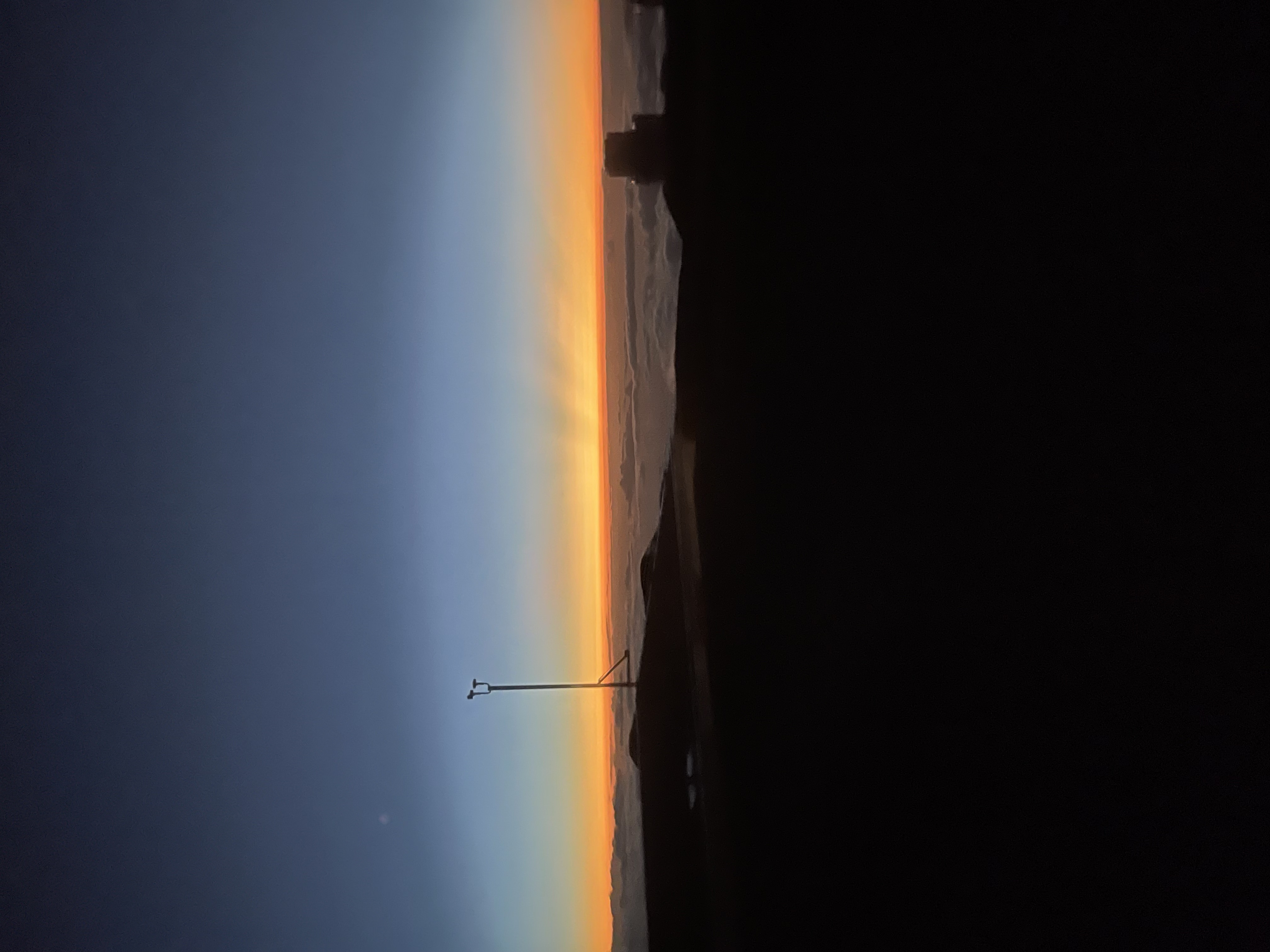
Mauna Kea Altitude Sickness: A Guide to Safe Summit Visits
Ascending Mauna Kea is a highlight for many, but its extreme altitude requires caution. Understand the risks of altitude sickness and how to visit safely for an unforgettable experience.
A journey to the summit of Mauna Kea is, without a doubt, one of the most profound experiences you can have on Hawaiʻi Island. Standing above the clouds on this dormant volcano, you feel a connection to the cosmos and the immense cultural significance of the piko (spiritual center) of the island. But this incredible reward comes with a serious, non-negotiable risk: altitude sickness. Understanding and respecting the mountain's extreme elevation is the most important part of planning your visit.
This guide breaks down what altitude sickness is, how to prevent it on Mauna Kea, and who should reconsider a trip to the summit. Your safety is paramount, and a little preparation ensures your memories are of the breathtaking views, not a pounding headache.
Understanding Altitude Sickness
Altitude sickness, also known as Acute Mountain Sickness (AMS), is a physical response to the lower oxygen levels found at high elevations. When you ascend too quickly, your body doesn't have enough time to adjust to the reduced oxygen pressure in the air. According to the University of Hawaiʻi, which manages the Mauna Kea Science Reserve, the summit air has approximately 40% less oxygen than at sea level. This deficit can trigger a range of symptoms as your body struggles to cope.
Think of it this way: a mountaineer climbing Mount Everest spends weeks acclimatizing, allowing their body to produce more red blood cells to carry oxygen more efficiently. Visitors to Mauna Kea often ascend from sea level to nearly 14,000 feet in just a couple of hours by car—a rapid change the body is simply not designed for.
In rare, severe cases, AMS can progress to life-threatening conditions like High-Altitude Pulmonary Edema (HAPE), where fluid builds up in the lungs, or High-Altitude Cerebral Edema (HACE), involving swelling of the brain. While extremely unlikely for a casual visitor, it underscores why even mild symptoms must be taken seriously.
Mauna Kea's Extreme Altitude Explained
The summit of Mauna Kea sits at a breathtaking 13,803 feet (4,207 meters) above sea level. To put that into perspective, most commercial airplanes pressurize their cabins to the equivalent of 6,000-8,000 feet. The Onizuka Center for International Astronomy Visitor Information Station (MKVIS) alone is at 9,200 feet (2,800 meters), an altitude where many people already begin to feel the effects.
Your body's reaction to this altitude can be influenced by several factors:
- Rate of Ascent: Driving is the fastest way to gain this much elevation, giving your body the least amount of time to adjust.
- Individual Physiology: Fitness level is not a reliable predictor of who will get altitude sickness. Some people are simply more genetically susceptible than others.
- Previous Day's Activities: Dehydration, fatigue, or even having recently been scuba diving can increase your risk.
The only reliable way to combat these effects is through a slow, deliberate ascent and proper acclimatization. Heeding the official safety guidelines isn't just a suggestion; it's a critical part of a successful summit visit.
Common Symptoms of Altitude Sickness
The onset of altitude sickness can be subtle, sometimes mimicking the feeling of a hangover or the flu. The most important thing is to pay attention to your body and the people you are with. The number one rule of the mountain is: if you feel sick, your only treatment is to go down.
Be on the lookout for these common symptoms:
- Headache: This is the most prevalent and often the first symptom to appear.
- Nausea and Vomiting: A general feeling of queasiness or an upset stomach.
- Dizziness or Lightheadedness: Feeling unsteady on your feet.
- Fatigue: A sense of profound tiredness or weakness, beyond what you'd expect from the day's activities.
- Shortness of Breath: Difficulty catching your breath, especially upon exertion.
- Loss of Appetite: Food may seem unappealing.
- Impaired Judgment: This is a subtle but dangerous symptom. You might make poor decisions, like wanting to push on despite feeling unwell.
Symptoms typically appear within a few hours of reaching altitude and can range from mild to severe. Do not ignore them, and do not ascend further if you or someone in your group starts feeling unwell.
How to Prevent Altitude Sickness on Mauna Kea
Prevention is your best strategy for a safe and enjoyable trip. While you can't change your body's natural predisposition, you can take several crucial steps to minimize your risk of AMS.
1. Acclimatize at the Visitor Information Station
This is the single most important step. The Maunakea Visitor Information Station (MKVIS) is located at 9,200 feet for a reason. All visitors planning to proceed to the summit are strongly advised to stop here for at least 30 to 60 minutes. This pause allows your body a chance to begin the acclimatization process before you ascend the final, steep 4,600 feet to the summit.
Use this time to walk around gently, use the restroom, and drink water. Talk to the rangers, who can provide the latest weather updates and safety advice. Do not sleep or take a nap here, as your breathing rate slows during sleep, which can worsen acclimatization.
2. Hydrate, Hydrate, Hydrate
Start hydrating the day before your planned trip to Mauna Kea. The high-altitude environment is extremely dry, and your body loses moisture much faster through breathing. Drink plenty of water before, during, and after your visit. Avoid alcohol and caffeine, as both are diuretics and can contribute to dehydration, which can mimic or worsen the symptoms of AMS.
3. Eat Lightly
Eat a light but high-carbohydrate meal before you go. Carbohydrates require less oxygen to metabolize than fats and proteins, making them an efficient energy source at altitude. Avoid heavy, fatty meals that are hard to digest.
4. Ascend Slowly and Don't Overexert
Once you leave the MKVIS, drive slowly to the summit. On the summit itself, move deliberately. Walk, don't run. The thin air means any physical exertion is significantly more stressful on your body. Even a short walk from the parking area to a viewpoint can leave you breathless. Conserve your energy to enjoy the sunset and the stars.
Many visitors find that a guided tour is a great option. Reputable tour companies, like those featured on highendhawaii.com, handle the challenging 4WD driving, provide expert commentary, and are trained to recognize the signs of altitude sickness, adding a layer of safety and peace of mind to your trip.
Who Should NOT Go to the Summit?
The extreme altitude at the summit of Mauna Kea is not safe for everyone. The University of Hawaiʻi and Maunakea Observatories have clear guidelines on who should avoid traveling past the Visitor Information Station. Please take this advice seriously.
Do NOT ascend to the summit if you are:
- Pregnant. The effects of high altitude on an unborn fetus are not well known, and the risk is not worth taking.
- Under 13 years old. Children's bodies are more vulnerable to the stresses of high altitude.
- Suffering from heart conditions. This includes high blood pressure, a history of heart attack, or any other cardiovascular disease. The low oxygen levels put significant strain on the heart.
- Suffering from respiratory ailments. Conditions like chronic bronchitis, emphysema, or severe asthma can be dangerously exacerbated by the thin air.
- Have been scuba diving within the past 24 hours. The change in pressure can increase the risk of decompression sickness ("the bends").
Even if you are in excellent health, listen to your body. If you are feeling unwell for any reason, even just a common cold, it's best to postpone your summit trip.
What to Do If You Experience Symptoms
If you or a member of your party begins to feel any of the symptoms of altitude sickness—no matter how mild—the protocol is simple and absolute.
- Descend Immediately. Do not wait to see if it gets better. Do not take a nap. Do not try to "tough it out." The only effective treatment for AMS is to move to a lower elevation. Even descending back to the MKVIS at 9,200 feet will provide significant relief for most people.
- Inform Someone. Let others in your group know that you are not feeling well. Impaired judgment can be a symptom, so it's important that others are aware of your condition.
- Rest and Rehydrate at a Lower Altitude. Once you have descended, rest and drink plenty of water. Symptoms should improve quickly.
- Seek Medical Attention if Necessary. If symptoms are severe (e.g., extreme shortness of breath at rest, confusion, inability to walk straight) or if they do not resolve after descending, seek medical help immediately. The nearest hospitals are Hilo Medical Center on the east side and Kona Community Hospital on the west side.
Your trip to the summit should be memorable for the right reasons. Respect the mountain, respect your body, and always prioritize safety over summit fever.
Related Reading
- For more on what to do on the mountain: /blog/mauna-kea-stargazing-guide
- For vehicle and road information: /blog/big-island-driving-tips
- For packing advice: /blog/what-to-pack-for-hawaii