Manta Ray Night Snorkel: A First-Timer's Guide to What to Expect
Floating in the dark Pacific as giant, gentle manta rays swoop beneath you is an unforgettable encounter. Here's what to expect on this iconic Big Island adventure.
Floating weightlessly in the dark ocean, holding onto a lighted raft as giant, shadowy figures glide effortlessly through the water just inches below you—this is the magic of the manta ray night snorkel. This world-famous Big Island experience is consistently rated as one of the top wildlife encounters on the planet. It’s an ethereal, beautiful, and deeply memorable adventure that feels like something from another world.
If you're considering this tour, you probably have questions about what the experience is really like. We’ll walk you through everything a first-timer needs to know, from the science behind the spectacle to what to expect every step of the way.
What Is the Manta Ray Night Snorkel?
The manta ray night snorkel is a guided ocean tour, primarily offered off the Kona coast of the Big Island, that allows you to observe resident reef manta rays (Manta alfredi) as they feed on plankton at night. It is not a contrived tourist attraction; it’s a unique intersection of natural animal behavior and a little human ingenuity.
Tour boats travel to one of a few designated sites, turn on powerful underwater lights, and wait. The lights attract immense quantities of microscopic plankton, the mantas' primary food source. Snorkelers and divers enter the water and hold onto a large, floating light board. The congregation of light and food creates a reliable feeding station, drawing in the graceful giants for a spectacular underwater ballet.
This interaction began organically in the 1970s when a hotel first illuminated the surf for its guests. Manta rays, intelligent and curious, began gathering in the light to feed. Decades later, tour operators have refined the process into a safe, sustainable, and awe-inspiring activity.
How It Works: The Science Behind the Spectacle
The entire experience hinges on a simple food chain. Manta rays are filter feeders, meaning they consume vast quantities of tiny organisms by gliding through the water with their mouths wide open. They don't have the stinging barb of a stingray and possess no teeth to speak of—just filter plates.
- The Light Source: Tour operators use custom-built floating rafts or submersible light arrays. These lights, often a brilliant blue or white, are shone down into the water column.
- The Plankton Bloom: Just like moths to a flame, zooplankton and phytoplankton—microscopic organisms that drift in the ocean—are attracted to the light. They concentrate in the beams, creating a thick “soup” of food.
- The Main Attraction: The manta rays, which have learned over years that these lights signify an easy meal, arrive to feast. They perform barrel rolls, swoops, and graceful glides through the plankton-rich water to feed.
There are two primary viewing locations off the Kona coast:
- Mākako Bay (Garden Eel Cove): Located just north of the Kona airport, this site is known for its clear water and sandy bottom. It's accessible only by boat.
- Keauhou Bay (Kaukalaelae Point): Just south of Kailua-Kona, this is the original site. It’s a slightly different experience, often with a larger group of established operators. Both sites offer incredible, consistent sightings.
Choosing A Manta Ray Tour Operator
Selecting a responsible tour operator is the single most important decision you'll make. The long-term health of the manta ray population depends on sustainable tourism practices. Look for companies that are “Manta Ray Green Listed” by the Hawaiʻi Ocean Tourism Association (HOTA). This certification indicates that the operator adheres to strict standards for safe and respectful interactions with the animals.
Here’s what to consider when choosing:
- Group Size: Smaller boats often provide a more intimate experience, though larger catamarans can be more stable in the water and offer more amenities.
- Safety Record: Reputable companies will have excellent safety records, certified lifeguard-trained staff, and will provide a thorough safety briefing.
- Educational Component: The best guides are passionate marine naturalists who will educate you about manta ray biology, behavior, and conservation.
- Provided Gear: All operators provide snorkel gear (mask, snorkel, fins) and a wetsuit. The quality of the gear, especially the wetsuits, can vary.
Responsible tourism is a cornerstone of a great trip. You can learn more about planning your Hawaiʻi Island adventure on our complete planning guide.
What to Expect: A Step-by-Step Guide
Knowing the flow of the evening can help ease any first-timer jitters.
Check-In and Briefing
Your tour will begin in the late afternoon at a harbor, typically Honokōhau or Keauhou. You'll check in, sign waivers, and meet your captain and crew. This is followed by a crucial safety and environmental briefing. The crew will explain the rules—most importantly, do not touch the manta rays—and give you a fascinating overview of the creatures you're about to meet. You'll also be fitted for a shorty wetsuit.
The Boat Ride Out
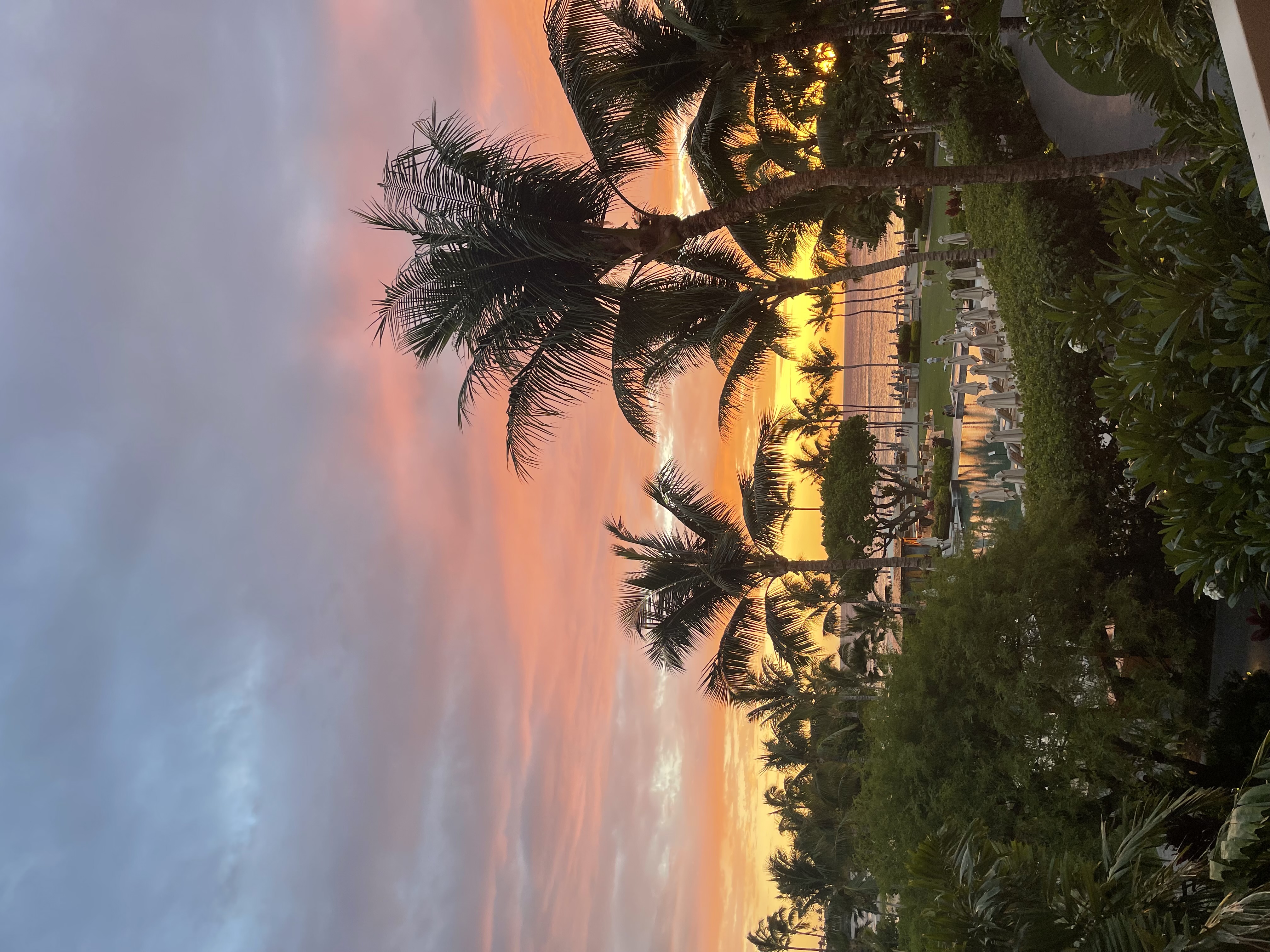
As you motor out to the manta site, you'll likely be treated to a stunning Kona sunset over the Pacific. The ride is usually short, between 15 and 30 minutes. Use this time to ask the crew any last-minute questions.
Getting in the Water
Once at the site, the crew will set up the light board. This is a custom float, often resembling a surfboard or a large ring, with PVC handles all around and powerful lights shining down from the center. When instructed, you'll enter the water via a ladder and swim the short distance to the float. You'll find a spot, grab a handle, and extend your body straight out behind you, floating horizontally on the surface. Your job is simple: hold on, float, and watch.
The Main Event
This is the moment. At first, the water below is dark blue, illuminated by the central light. Then, a shadow appears. A massive, graceful wing emerges from the darkness, and suddenly a manta ray, sometimes with a wingspan of over 12 feet, is cartwheeling inches from your face. They are completely unbothered by your presence, focused only on the plankton. You will hear the gentle whoosh of water as they pass, see their giant mouths agape, and marvel at their silent, acrobatic dance. The experience typically lasts for 45 to 60 minutes.
Getting Out and Heading Back
When your time in the water is up, the crew will call you back to the boat one by one. Many operators provide hot chocolate, tea, and snacks for the ride back to the harbor. You'll be buzzing with excitement, sharing stories and photos with your fellow snorkelers.
Is the Manta Ray Snorkel Safe?
Yes, this is a very safe activity when conducted with a professional tour company. The sites are located in protected bays, not the open ocean, and are typically well-lit and supervised.
- Seasickness: This is the most common issue. If you are prone to motion sickness, take medication before you get on the boat.
- Fear of the Dark/Open Water: It's natural to be apprehensive. However, the powerful lights create a large, illuminated zone, and you are in a group. You are never truly in the dark.
- Other Marine Life: While you may see other fish, sharks are not an issue at these sites. The activity and lights are not attractive to them.
- Regulations: The State of Hawaiʻi Department of Land and Natural Resources (DLNR) has established viewing guidelines to ensure the safety of both humans and the manta rays. Your crew will enforce these rules, such as maintaining a safe distance and not touching the animals.
Snorkeling vs. Diving with Manta Rays
While some companies offer a manta ray dive, the snorkel experience is arguably better for this specific activity. As a snorkeler, you are on the surface right where the plankton is most concentrated. This means the mantas come directly to you, often getting closer to the snorkelers than the divers on the seafloor below. Snorkeling is also accessible to everyone, regardless of swimming ability, as the wetsuit and flotation board keep you completely buoyant.
What to Bring and What's Provided
Keep it simple. Most of what you need is included.
| What's Typically Provided | What You Should Bring |
|---|---|
| Wetsuit (usually a 'shorty') | A towel and a change of dry clothes |
| Mask, snorkel, and fins | Reef-safe sunscreen (for before/after) |
| Flotation on the light board | An underwater camera (GoPro, etc.) |
| Professional guidance and safety | Any necessary seasickness medication |
| Often, snacks and drinks | A waterproof bag for your belongings |
Related Reading
- For more underwater adventures, see our guide to the Best Snorkeling Spots in Kona.
- Interested in other ocean tours? Check out the Top Kona Boat Tours.
- Learn more about respectful wildlife viewing with our Guide to Big Island Wildlife Ethics.