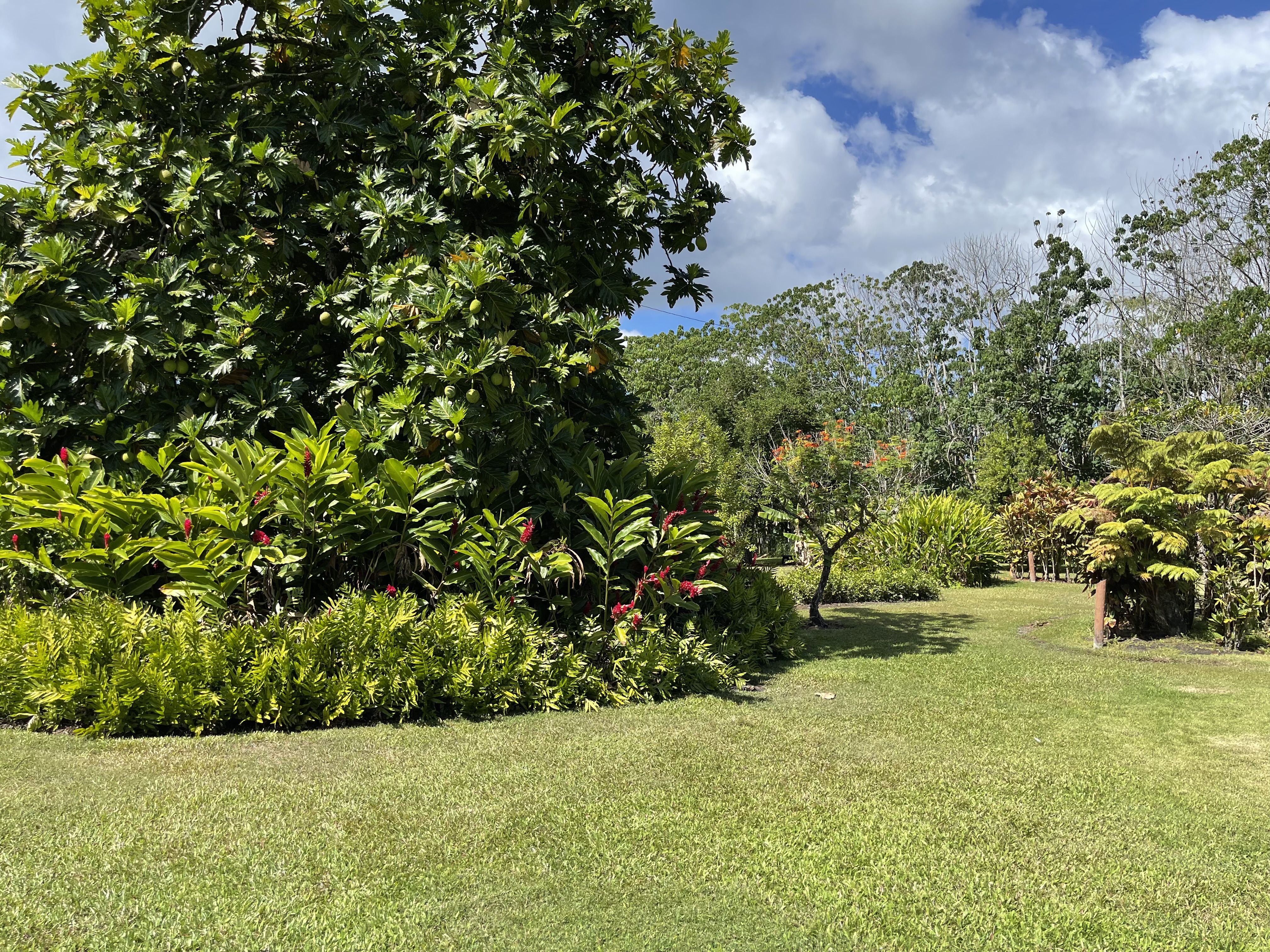
Your Guide to Driving the Kona Coffee Belt: A Farm Tour Route
Wind your way through the lush slopes of Hualālai on this self-guided driving tour of the Kona Coffee Belt. We'll guide you to the best farm tours, tasting rooms, and scenic stops.
Just uphill from the sunny beaches of Kailua-Kona lies a world of rolling green hills, rich volcanic soil, and the unmistakable aroma of roasting coffee. This is the Kona Coffee Belt, a narrow strip of land on the slopes of Hualālai and Mauna Loa that produces one of the world's most sought-after coffees. A self-guided drive through this historic region is one of the best ways to experience the agricultural heart of the Big Island, meet local farmers, and taste incredible coffee right at the source.
This is not a high-speed highway journey; it's a meandering exploration of country roads where every turn reveals a new vista or a charming family-run farm. Prepare to slow down, sip, and savor the unique terroir and culture of Kona coffee country.
What is the Kona Coffee Belt?
The Kona Coffee Belt is a roughly 30-mile long, 2-mile wide region on the western slopes of the Big Island, primarily between 700 and 2,500 feet in elevation. This specific altitude and geography create a microclimate that is uniquely perfect for growing high-quality Arabica coffee. The formula is simple but rare: sunny mornings give way to cloudy, often misty afternoons, providing natural shade and moisture. This is paired with porous, mineral-rich volcanic soil and mild nighttime temperatures.
Coffee has been cultivated here since the 1800s, with many farms being passed down through generations of families, primarily from Japan, the Philippines, and Portugal. This history is palpable as you drive through old towns like Hōlualoa and Kainaliu. According to the State of Hawaiʻi Department of Agriculture, for coffee to be labeled "Kona," it must be grown within the official North and South Kona districts. This geographic designation is protected, and it's what gives the coffee its distinctively smooth, low-acidity flavor profile.
Planning Your Kona Coffee Belt Drive
A little planning goes a long way to making your coffee country tour a success. While the region is accessible year-round, here are a few things to consider.
- Best Time to Visit: You can tour farms and taste coffee any day of the year. However, the coffee harvest season, which typically runs from August through January, is a particularly vibrant time. You'll see the coffee trees laden with bright red "cherries" and witness the harvesting and processing firsthand.
- What to Bring: Even on a sunny day in Kona, the higher elevation of the coffee belt can be cooler and wetter. Bring a light jacket or rain shell. Wear comfortable, closed-toe shoes for walking around farms, which can have uneven terrain.
- Getting Around: A standard rental car is perfectly suitable. The main roads are paved, but they can be narrow and winding. The key is to drive slowly, be courteous to local traffic, and pull over at designated scenic points to take in the views. Don't rush—the journey is the destination.
- Pacing Yourself: Don't try to visit too many farms in one day. The caffeine will catch up with you! Pick two or three farms that appeal to you and leave ample time for other stops along the way.
A Self-Guided Driving Route: Hōlualoa to Kealakekua
This classic north-to-south route takes you along the historic Māmalahoa Highway (Highway 180), the original artery of the region before the faster Queen Kaʻahumanu Highway (Highway 11) was built below it.
-
Start in Kailua-Kona: From town, head uphill on Palani Road (Highway 190). After a few miles, turn right onto Hina Lani Street, then left onto Māmalahoa Highway (Hwy 180).
-
Explore Hōlualoa Town: Your first stop is the charming artist village of Hōlualoa. This old coffee town is now filled with art galleries, boutiques, and a couple of great coffee shops. It's a wonderful place to park, stretch your legs, and soak in the old Hawaiʻi vibe.
-
Drive South on Māmalahoa (Hwy 180): Continue south from Hōlualoa. This is the heart of the drive. The road winds through lush landscapes, passing countless coffee farms, from large, historic estates to small, family-run operations. Keep an eye out for signs advertising tours and tastings—many welcome visitors without an appointment.
-
Kainaliu and Kealakekua: As you continue south, you'll pass through the small towns of Kainaliu and Kealakekua. Here you'll find more shops, local eateries, and some of the region's most famous coffee farms.
-
Captain Cook and Nāpōʻopoʻo Road: The town of Captain Cook marks the southern end of the main coffee region. From here, you can take a detour down Nāpōʻopoʻo Road to Kealakekua Bay for a dose of history and incredible snorkeling.
-
Loop Back on Highway 11: From the southern part of the belt, you can easily connect with Highway 11 (the main highway) for a faster, more direct route back north to Kailua-Kona.
Our Favorite Kona Coffee Farms to Visit
With over 600 coffee farms in Kona, choosing where to stop can be overwhelming. Most offer free or low-cost tours and tastings. Here are three distinctive farms to get you started.
For the Historian: Greenwell Farms
Located in Kealakekua, Greenwell Farms is one of the oldest and most well-known coffee producers in Kona. Their free walking tour is excellent, providing a comprehensive overview of Kona's coffee history, from planting and harvesting to processing and roasting. You get to walk through their beautiful fields and see the entire process up close. Their large tasting area allows you to sample a wide variety of their coffees, including the prized Peaberry. It's a fantastic first stop for anyone wanting a solid education on Kona coffee.
For the Organic Enthusiast: Hala Tree Coffee
If you're interested in sustainable and organic farming, Hala Tree is a must-visit. This USDA Certified Organic farm offers an intimate tour experience that focuses on their farm-to-cup philosophy. You'll learn about their methods for avoiding pesticides and chemicals while producing award-winning 100% Kona coffee. The setting is beautiful, with stunning views of the coastline. Their tours are often smaller and more personal than those at the larger estates, providing a great opportunity to ask questions.
For the Adventurer: Mountain Thunder Coffee Plantation
Situated at a higher elevation in the cloud forest, a visit to Mountain Thunder feels like a bit of an adventure. The drive up is spectacular, and the cooler, misty climate is a refreshing change. They offer a range of tour options, from a free, quick tour to an extensive roastmaster experience where you can roast your own beans. They also farm Kopi Luwak coffee, a rare and controversial delicacy, and the tour provides a chance to learn about it. It’s a great choice for those looking for a slightly different take on the Kona coffee experience.
Beyond the Beans: Must-See Stops Along the Way
The Coffee Belt isn't just about coffee. Intersperse your tastings with these cultural and natural highlights.
- Kealakekua Bay State Historical Park: The site where Captain James Cook first landed on the island and was ultimately killed. The bay itself is a protected marine life conservation district, offering some of the best snorkeling on the Big Island. You can access it by boat tour, kayak, or a challenging hike down to the Captain Cook Monument.
- The Painted Church: St. Benedict's Catholic Church in South Kona is a beautiful and serene stop. Fleeing persecution, its Belgian priest painted elaborate biblical scenes on the interior walls and ceiling in the early 1900s to teach parishioners who couldn't read. It's an active church and a beautiful piece of island history.
- Puʻuhonua o Hōnaunau National Historical Park: Just south of the coffee belt, this is one of Hawaiʻi's most sacred historical sites. This was a place of refuge for ancient Hawaiian lawbreakers. A visit here, managed by the National Park Service (NPS), offers a powerful glimpse into Hawaiian culture, with restored temple platforms (heiau), royal grounds, and imposing kiʻi (wooden statues). For those interested in Hawaiian culture, our experiences at High End Hawaii can offer even deeper dives into the island's heritage.
Buying Authentic 100% Kona Coffee
After tasting fresh coffee at the source, you'll surely want to bring some home. Be a savvy shopper.
Read the Label: Many stores sell "Kona Blends," which, by state law, only need to contain 10% Kona coffee. The other 90% can be cheaper beans from anywhere in the world. Always look for the "100% Kona Coffee" label. Authentic coffee will proudly display it.
Expect to Pay a Premium: 100% Kona coffee is a luxury product. It's hand-picked on difficult terrain in a country with high labor costs. Prices reflect this. Be wary of deals that seem too good to be true.
Grades and Types: You'll see terms like 'Extra Fancy,' 'Fancy,' 'No. 1,' and 'Prime,' which are grades based on bean size and imperfections. 'Peaberry' is a rare bean (about 5% of the crop) where the coffee cherry produces a single, round bean instead of two flat-sided ones. It's often considered to have a more concentrated flavor. The best way to choose is to taste for yourself and find what you enjoy most.
Related Reading:
- Your Guide to the Perfect South Kona Itinerary: /blog/south-kona-itinerary
- Discovering the Magic of Kealakekua Bay: /blog/kealakekua-bay-snorkeling-kayaking
- Stargazing on Mauna Kea: Everything You Need to Know: /blog/mauna-kea-stargazing-guide