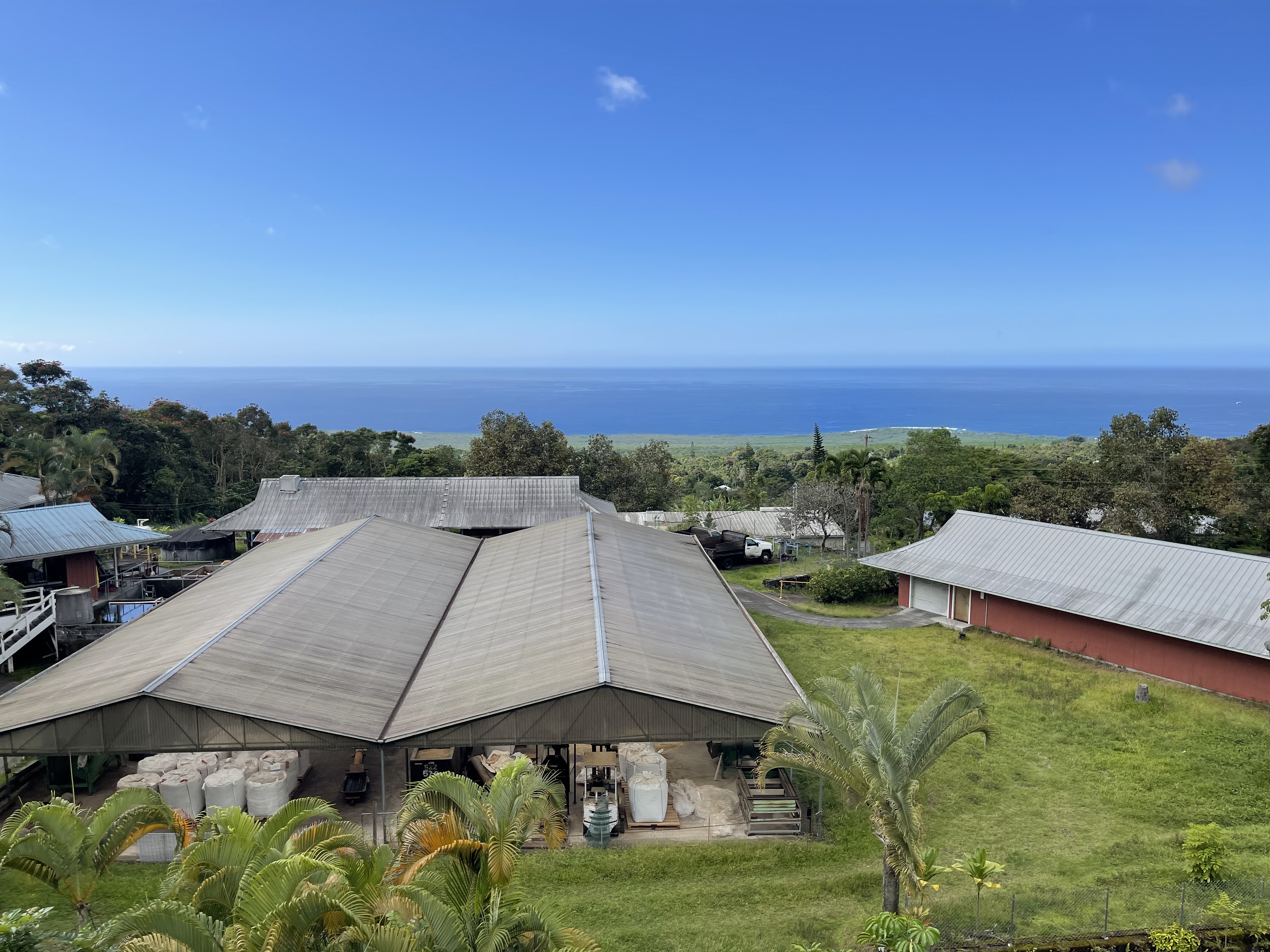
Kealakekua Bay: A Practical Guide to the Captain Cook Monument
Getting to the legendary Captain Cook Monument and its world-class snorkeling is a puzzle. Here are your options for accessing this protected slice of paradise.
Kealakekua Bay is a place of immense beauty and historical significance. Home to some of the most vibrant and protected coral reefs in the state, it’s a snorkeler’s dream. However, the bay’s most famous snorkel spot, fronting the Captain Cook Monument, is notoriously difficult to access. You can’t simply drive there.
This guide breaks down the three legitimate ways to reach the monument at Kaʻawaloa Flat: a strenuous hike, a permitted kayak tour, or a relaxing boat excursion. Understanding the pros, cons, and regulations for each is key to planning a successful and respectful visit to this sacred place.
An Overview of Kealakekua Bay
First, let's establish why this bay is so special. Kealakekua Bay is a State Historical Park and a Marine Life Conservation District (MLCD), one of the most protected in Hawaiʻi. This designation, established in 1969, has allowed the coral and fish populations to flourish, creating an underwater spectacle. The water is often exceptionally clear and calm, especially in the morning.
Historically, the bay is the site where Captain James Cook, the first British explorer to make contact with the Hawaiian Islands, was killed in 1779. The stark white obelisk that marks the approximate spot—the Captain Cook Monument—was erected by the British in 1874. The small parcel of land it sits on is technically owned by the United Kingdom.
Your Three Options for Reaching the Monument
Getting to the monument requires effort. There is no road, and access is strictly controlled to protect the area's natural and cultural resources. Here are your three options:
- Hike the steep and challenging Kaʻawaloa Trail.
- Kayak or SUP with one of the few state-permitted tour companies.
- Join a boat tour that snorkels in the bay.
Let's dive into the details of each method so you can choose the right one for your adventure.
Option 1: The Kaʻawaloa Trail Hike
This is the only way to reach the monument for free, but don't mistake free for easy. The Kaʻawaloa Trail is a difficult, 3.8-mile round-trip hike that descends (and climbs back up) 1,300 feet. It is not a casual walk and should only be attempted by fit, experienced hikers.
Finding the Trailhead
The trailhead is located in the small town of Captain Cook off Nāpoʻopoʻo Road. It's unmarked and easy to miss. Look for a dirt pull-off area near a telephone pole between street numbers 82-5900 and 82-5888. Parking is limited and you should not leave any valuables in your car.
What to Expect on the Trail
The trail is a relentless downhill trek over uneven terrain, including loose lava rock and dirt. It can be very slippery, especially after rain. The path is mostly unshaded, and the Kona sun can be intense. The journey down takes about an hour, while the climb back up can take 1.5 to 2 hours or more for most people. There are no facilities—no water, no restrooms, no emergency services—along the trail or at the monument.
Important Hiking Tips
- Start Early: Begin your hike no later than 8 a.m. to avoid the worst of the midday heat on your return ascent.
- Wear Proper Shoes: Sturdy hiking boots or shoes with good grip are non-negotiable. Do not attempt this in sandals or slippers.
- Pack Water: Bring at least 2-3 liters of water per person. You will need it.
- Bring Gear: Pack snorkel gear, reef-safe sunscreen, a hat, and snacks. Remember, you have to carry everything back up the mountain.
- Know Your Limits: This hike is not for everyone. If you have bad knees, a heart condition, or are not in good physical shape, please choose another option.
Option 2: Kayaking or Paddleboarding
Paddling across the serene, one-mile expanse of Kealakekua Bay is a magical experience. However, due to past overuse and damage to the ecosystem, the State of Hawaiʻi's Department of Land and Natural Resources (DLNR) has implemented strict rules.
The Rules: Permits Are Required to Land
You CANNOT land a kayak, stand-up paddleboard (SUP), or any other vessel at Kaʻawaloa Flat (where the monument is) without a permit. The only way to get a permit is to go on a guided tour with one of the three companies authorized by the DLNR. These companies have a limited number of permits per day.
If you rent a kayak from a non-permitted vendor and paddle across on your own, you are legally required to stay in your vessel the entire time. You cannot beach it, tie it to a tree, or otherwise leave it to get out and snorkel. Violators face hefty fines, and enforcement is common.
Permitted Kayak Tour Outfitters
As of the latest DLNR updates, these are the three companies permitted to land vessels at the Captain Cook Monument:
- Aloha Kayak Co.
- Kona Boys
- Kona Kayaks
Booking a tour with one of these companies is the only legitimate way to paddle to the monument, get out, and snorkel from the shore. Tours typically include a guide, all equipment, and a wealth of knowledge about the bay's history and ecology.
Option 3: Joining a Boat Tour
For most visitors, this is the easiest and most comfortable way to experience the snorkeling at Kealakekua Bay. Numerous companies based in Kailua-Kona and at the Keauhou Harbor offer morning and afternoon snorkel tours to the bay.
These tours vary widely in style and size, from large, comfortable catamarans with slides and lunch buffets to smaller, faster Zodiac-style rafts that offer a more adventurous ride. Most tours provide all snorkel equipment, instruction, flotation devices, and food and drinks. You'll typically spend 1-2 hours anchored in the bay to snorkel.
The key advantage is convenience. You simply show up, relax on the scenic boat ride (often spotting dolphins and, in winter, whales along the way), and jump into the water when you arrive. While you can't go ashore at the monument from these boats, you'll be snorkeling in the exact same pristine waters right in front of it. Some premium tour experiences can be curated by our partners at High End Hawaii for those seeking a more exclusive adventure.
What to Do Once You're There: Snorkeling and Respect
However you arrive, the reward is the same: an underwater world teeming with life. You'll see vast fields of coral, schools of colorful tangs, butterflyfish, triggerfish, and pufferfish. Spinner dolphins often rest in the bay, and you may see them from a distance.
Please remember you are a guest in a fragile ecosystem.
- Use only reef-safe sunscreen.
- Do not touch, stand on, or take any coral.
- Give marine life plenty of space. Do not chase dolphins or turtles.
- Pack out everything you pack in. Leave no trace.
Take a moment to view the monument and contemplate the layered history of this powerful place before you begin your journey back.
Related Articles
- The 5 Best Snorkel Spots in Kona: /blog/best-kona-snorkel-spots
- A Guide to Hiking on the Big Island: /blog/big-island-hiking-guide
- Exploring the South Kona Coast: /blog/south-kona-coast-guide