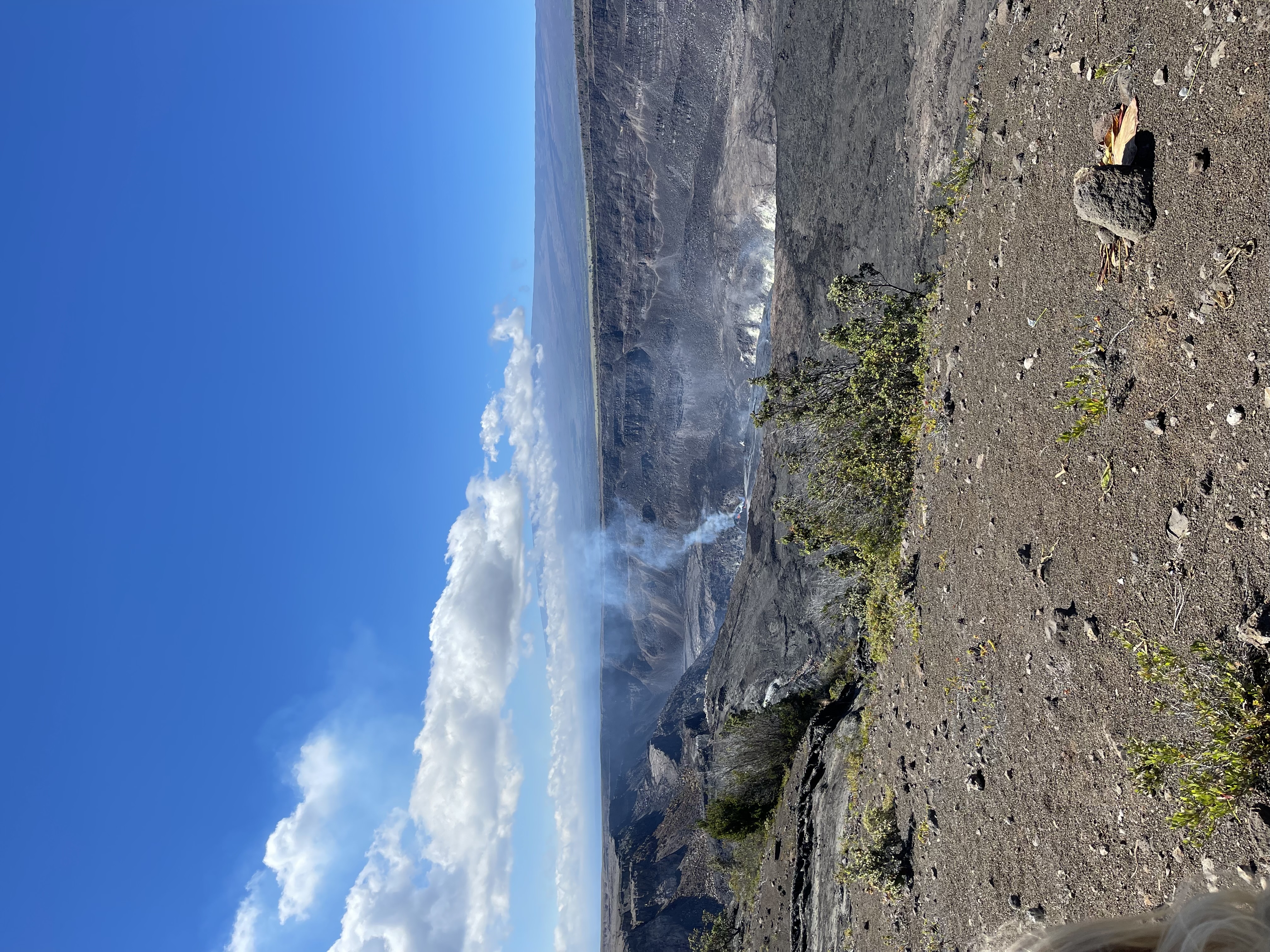
Is Kīlauea Erupting Today? How to See the Volcano Safely
Wondering if you can see lava at Kīlauea? It's a dynamic situation. Here’s how to check the current eruption status and find the best viewing spots in Hawaiʻi Volcanoes National Park.
Kīlauea is one of the world's most active volcanoes, and seeing it erupt is a primal, unforgettable experience. But its activity is not constant; it starts, stops, and pauses, sometimes for days, sometimes for years. The question isn't just if Kīlauea is erupting, but how to get timely, accurate information to plan your visit safely.
This guide will show you exactly where to look for official updates, how to interpret them, and what your options are for experiencing this incredible landscape, whether there's visible lava or not. The key to a successful visit is checking the status right before you go and having a backup plan.
The Official Source: USGS Hawaiian Volcano Observatory
Forget social media rumors or second-hand reports. The only source you should trust for eruption information is the U.S. Geological Survey's Hawaiian Volcano Observatory (USGS-HVO). These are the scientists who monitor Hawaiʻi's volcanoes 24/7. Their website is the definitive place for real-time data, and it's what the National Park Service (NPS) uses to manage public access and safety.
The USGS uses a four-tier alert system for volcanoes:
- NORMAL / GREEN: The volcano is in a non-eruptive state.
- ADVISORY / YELLOW: The volcano is showing signs of elevated unrest above known background levels.
- WATCH / ORANGE: The volcano is exhibiting heightened or escalating unrest with increased potential of eruption. An eruption is underway but poses limited hazards.
- WARNING / RED: A hazardous eruption is imminent, underway, or suspected.
An eruption is typically viewable by the public when the level is ORANGE or RED, but only in designated, safe areas determined by the NPS. A YELLOW status means you should pay close attention, as conditions could change.
How to Check the Kīlauea Status Right Now
Before you even get in the car, follow these steps. It takes less than five minutes and can save you from a disappointing trip.
- Check the USGS-HVO Website: The homepage features the latest updates for Kīlauea and Mauna Loa. Read the most recent "Daily Update." It's written in plain language and will tell you if lava is active, where it's located, and if the activity is increasing or decreasing.
- View the Live Webcams: The USGS maintains a series of webcams pointed at Kīlauea's summit caldera. The thermal cams are especially useful, as they show heat sources even when it's dark or cloudy. If you see bright yellow and red on the thermal image, that's a good sign of surface lava.
- Visit the National Park Service Website: Hawaiʻi Volcanoes National Park's website has a dedicated page for "What's Happening with the Volcanoes." This is where you'll find crucial on-the-ground information, including which parking lots are full, what trails are open, and where the designated viewing areas are. This is a must-read for logistical planning.
Cross-referencing these three sources will give you a complete picture: the USGS tells you what the volcano is doing, and the NPS tells you how you can see it.
What to Do If Kīlauea Is Erupting
If you're lucky enough to visit during an eruption, congratulations! Here's how to make the most of it.
- Arrive Early or Late: Parking is extremely limited during eruptions. The best times to find a spot are often before 9 a.m. or after 9 p.m. Night viewing is spectacular as the glow is much more dramatic against the dark sky.
- Go to the Designated Viewing Areas: Recent summit eruptions have been contained within Halemaʻumaʻu crater. The main viewing areas are typically along the crater rim, near the former Jaggar Museum site at Uēkahuna and at the Kīlauea Overlook. Check the NPS map to see exactly where to go.
- Be Patient: Sometimes lava activity is vigorous, other times it's subtle. Give your eyes time to adjust, especially at night. Bring binoculars for a closer look.
- Pack Accordingly: It gets cold, windy, and often rainy at the summit (4,000 ft elevation). Bring layers, rain gear, a flashlight with a red-light setting (to preserve night vision), water, and snacks.
What to Do If Kīlauea Is Not Erupting
Don't despair! Hawaiʻi Volcanoes National Park is an incredible destination even without visible lava. An immense and powerful landscape shaped by 70 million years of volcanism awaits. In some ways, a pause in eruption offers a better chance to explore without the crowds.
Can't-Miss Activities (No Lava Needed):
- Hike the Kīlauea Iki Trail: This 4-mile loop descends through a lush rainforest onto the floor of a solidified lava lake from a 1959 eruption. It's one of the best hikes on the island.
- Drive the Chain of Craters Road: This stunning 19-mile road descends 3,700 feet to the coast, passing through starkly different volcanic landscapes. Stop at the pullouts to see various pit craters and old lava flows.
- Walk Through Nāhuku (Thurston Lava Tube): Explore a 500-year-old lava tube surrounded by a vibrant rainforest. Go early or late to avoid the midday crowds.
- See the Steam Vents (Wahinekapu): Witness groundwater heated by volcanic rock seeping to the surface as steam. It’s a powerful reminder of the heat just below your feet.
Exploring the park's diverse offerings provides a deep appreciation for the lifecycle of a volcano. For a complete park strategy, see our comprehensive guide to Hawaiʻi Volcanoes National Park.
Safety for Viewing Lava Responsibly
Your safety, and the protection of this sacred landscape, is paramount.
- Stay on Marked Trails: Do not venture into closed areas. Thin crusts can hide deep fissures and superheated steam, and new cracks can open without warning. Heed all signs and ranger instructions.
- Be Mindful of Air Quality: Eruptions produce volcanic smog (vog), which can be hazardous for people with respiratory issues. Check the State of Hawaiʻi's Air Quality website for current conditions, especially if you are sensitive.
- Drive Carefully: Expect heavy traffic and pedestrians, especially at night. Park only in designated stalls.
- Respect the Culture: Kīlauea is a sacred place for Native Hawaiians. It is the home of Pele, the deity of fire and volcanoes. Be respectful, speak softly, and leave no trace. Building rock piles (ahu) or leaving offerings is discouraged unless you are part of a cultural protocol.
By following these guidelines and using the official resources, you can have a safe, respectful, and awe-inspiring visit to one of the most dynamic places on Earth. We offer a number of guided and private tours throughout the island which can be explored at High End Hawaiʻi.
Related Reading:
- A First-Timer's Guide to Hawaiʻi Volcanoes National Park:
/blog/a-guide-to-hawaii-volcanoes-national-park - Stargazing on Mauna Kea: The Complete Guide:
/blog/stargazing-on-mauna-kea - Big Island Itinerary: 7 Days of Adventure:
/blog/big-island-7-day-itinerary