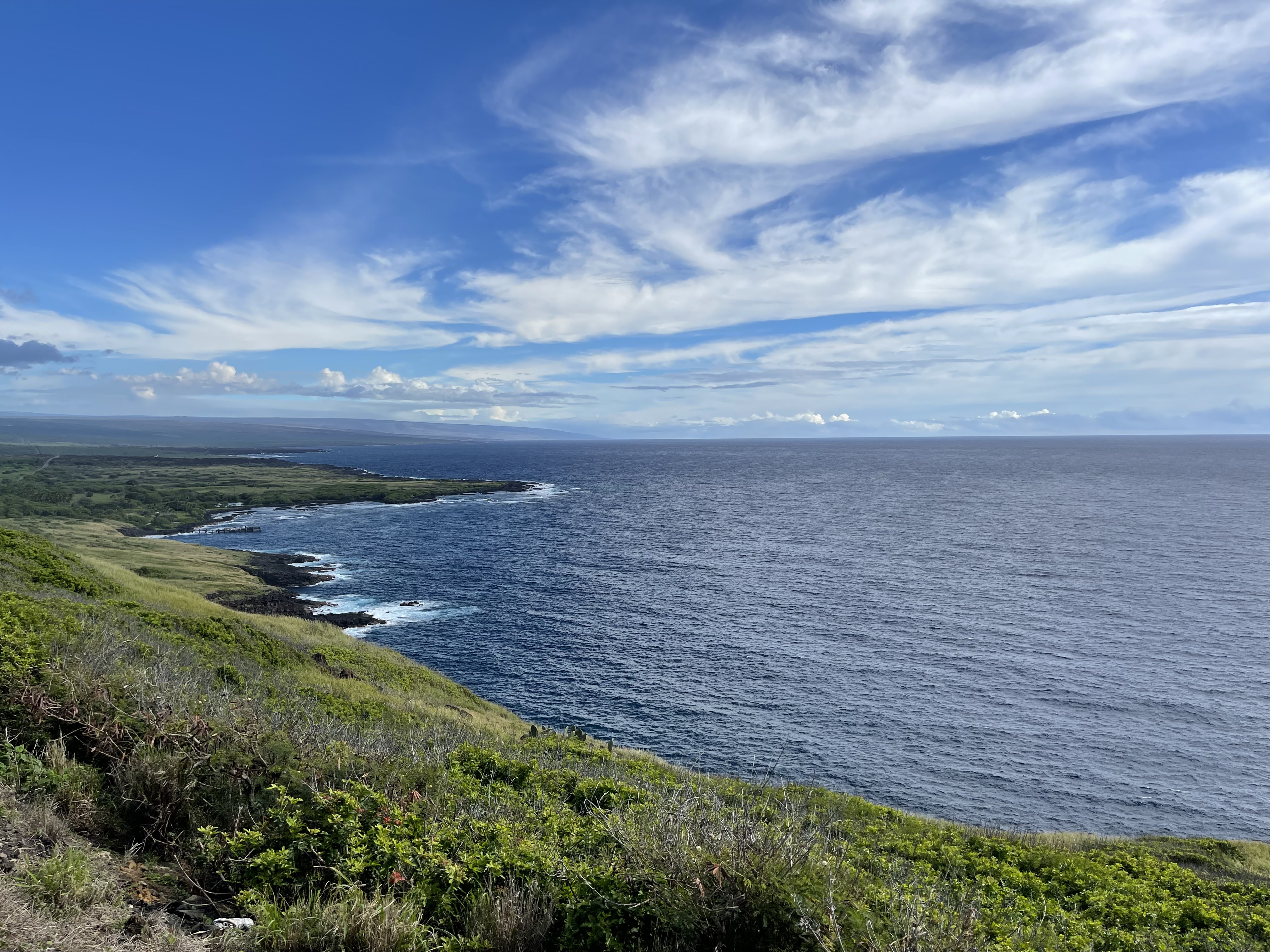
How Many Days Do You Really Need on the Big Island of Hawaiʻi?
Deciding how many days to spend on the Big Island is crucial. We recommend 7 to 10 days to truly experience its incredible diversity without feeling rushed.
The single most common planning question we hear is, “How many days do I need for the Big Island?” It's a fantastic question, because the answer for Hawaiʻi Island is fundamentally different from the other Hawaiian islands. Its sheer size and astonishing diversity mean that trying to 'do it all' in just a few days leads to more time in the car than on the beach.
So, let's cut to the chase. To comfortably see the highlights of both the Kona and Hilo sides, explore a bit of Hawaiʻi Volcanoes National Park, and have some time to relax, you should plan for a minimum of 7 to 10 days. Any shorter, and you’ll be forced to make some significant compromises.
Why the Big Island Demands More Time
It’s called the Big Island for a reason. At over 4,000 square miles, it’s larger than all the other Hawaiian islands combined, and it's still growing thanks to Kīlauea volcano. This scale translates directly into longer driving times and a staggering variety of things to see and do.
Consider the island's diversity, which is often described as a microcosm of the entire planet. Within a single day's drive, you can experience:
- Lush Rainforests: The Hilo and Hāmākua Coasts are draped in tropical green, fed by abundant rainfall.
- Active Volcanoes: The otherworldly landscapes of Hawaiʻi Volcanoes National Park, a designated UNESCO World Heritage Site.
- Pristine Beaches: White sand, black sand, and even green sand beaches dot the coastline.
- High-Altitude Summits: The sacred peaks of Mauna Kea and Mauna Loa, which are high enough to see snow in winter.
- Arid Lava Deserts: The Kona and Kohala coasts feature vast, sun-drenched lava fields.
Trying to rush through these distinct regions is like trying to visit five different countries in five days. It's possible, but you won't get a true sense of any of them.
The Short Trip: 3-5 Days
If you only have a handful of days, you must be strategic. A 3 to 5-day trip is a “sampler,” not a comprehensive tour. The key is to pick one side of the island and stick to it.
Option 1: Focus on the West Side (Kona & Kohala)
This is the classic sunny vacation. Fly into Kailua-Kona (KOA) and base yourself there.
- What to Do: Snorkel at Kealakekua Bay, relax on Hāpuna Beach, explore historic Kailua Village, enjoy the resort life on the Kohala Coast, and take a manta ray night snorkel tour.
- Pros: Abundant sunshine, great beaches, excellent snorkeling, and a wide range of accommodations and restaurants.
- Cons: You will completely miss the volcanoes and the lush, tropical side of the island.
Option 2: Focus on the East Side (Hilo & Volcano)
For those more interested in nature, culture, and volcanoes. Fly into Hilo (ITO).
- What to Do: Spend at least a full day (and one night, if possible) in Hawaiʻi Volcanoes National Park. Explore Hilo's farmers market, see the waterfalls of the Hāmākua Coast (ʻAkaka Falls), and drive the scenic Puna coast.
- Pros: A more local, less touristy feel. Proximity to the national park is a huge advantage.
- Cons: It rains a lot. You won't get the quintessential sunny beach experience.
Verdict: A short trip is better than no trip, but you will leave with a long list of things you missed.
The Ideal Trip: 7-10 Days
This is the sweet spot. A 7 to 10-day itinerary allows you to experience the full spectrum of the Big Island without feeling perpetually rushed. The best approach is a “split stay.”
-
Days 1-4: West Side (Kona/Kohala): Fly into KOA. Enjoy the sun and sea. Snorkel, swim, and decompress. Explore North Kohala and the historic towns of Hāwī and Kapaʻau.
-
Days 5-7: East Side (Volcano/Hilo): Drive to the east side. Spend two nights in or near Volcano Village to properly explore Hawaiʻi Volcanoes National Park. According to the National Park Service (NPS), a visit can last from a few hours to multiple days, and staying nearby allows for seeing the lava glow at night (when active and visible) and hiking during the day. Spend your last day on this side exploring Hilo and the nearby coast.
-
Days 8-10: Extra Time: With a few extra days, you can add more depth. Perhaps you'll drive the full southern route back to Kona, stopping at Punaluʻu Black Sand Beach. Or you could spend more time hiking in Waipiʻo Valley or Pololū Valley, or simply dedicate a full day to relaxing at your favorite beach. It provides a much-needed buffer.
This timeframe allows you to see both the dry and wet sides, experience the volcanoes, and build in some crucial downtime. For those looking for expertly guided excursions, a local operator like Highend Hawaii can maximize your time with curated tours that handle all the logistics.
The Immersive Trip: 10-14+ Days
If you have the luxury of two weeks, the Big Island will reward you endlessly. This is for the traveler who wants to move beyond the highlights and truly connect with the place.
With 10-14 days, you can do everything in the 7-10 day plan, but at a much more relaxed pace. You can:
- Add a Third Base: Spend a few nights in North Kohala (Hāwī) or Waimea for a different upcountry vibe.
- Go Deeper: Dedicate more days to specific interests. Spend three full days hiking in the national park, take a multi-day scuba diving course, or explore the remote Puna coastline in depth.
- Stargaze: Make the journey up Mauna Kea for an unparalleled stargazing experience (requires a tour and proper acclimatization).
- Relax: Build in true “do nothing” days. Read a book by the pool, linger over a long lunch, and watch the sunset without having to rush off to the next activity.
Key Factors Influencing Your Itinerary
Your ideal trip length depends on your personal travel style.
| Factor | Shorter Trip (5-7 Days) | Longer Trip (10+ Days) |
|---|---|---|
| Pace | Fast-paced, lots of driving, checking off highlights. | Relaxed, leisurely, time for spontaneous discoveries. |
| Interests | Focused on one or two things (e.g., just beaches). | Diverse interests (hiking, culture, food, relaxing, etc.). |
| Budget | Lower overall cost, but higher cost-per-day. | Higher overall cost, but you can find value over time. |
| Accommodations | Best to stay in one place to minimize travel time. | Split stay (e.g., 5 nights Kona, 3 nights Volcano) is ideal. |
Driving Times Are No Joke
Underestimating driving times is the most common mistake visitors make. Hawaiʻi Island is vast, and traffic, winding roads, and lower speed limits can make journeys longer than you'd expect.
- Kailua-Kona to Hilo (Northern Route): ~2 hours
- Kailua-Kona to Hilo (Southern Route): ~2.5-3 hours
- Kailua-Kona to Hawaiʻi Volcanoes National Park: ~2-2.5 hours
- Full Circle Island Drive: 6-8 hours without any significant stops.
When you see these times, you realize that a “day trip” from Kona to the volcano means spending 4-5 hours in the car, round trip. This is why we so strongly recommend a split stay for any trip longer than 5 days.
Ultimately, the number of days you spend on the Big Island is a personal choice. But by respecting its scale and planning accordingly, you can ensure your vacation is a restorative adventure rather than a frantic race against the clock.
Related Reading
- Your Guide to Visiting Hawaiʻi Volcanoes National Park: /blog/hawaii-volcanoes-national-park-guide
- The Best Beaches on the Big Island: /blog/big-island-best-beaches
- A Guide to Stargazing on Mauna Kea: /blog/mauna-kea-stargazing-guide