Hilo Farmers Market: A Guide to What to Buy and When to Go
Dive into the vibrant heart of Hilo at its famous farmers market. We'll show you how to navigate the stalls, what tropical fruits to try, and the best days to experience this local treasure.
The Hilo Farmers Market is more than just a place to buy produce; it's the bustling, vibrant heart of the community. A riot of color, sound, and fragrance, this is where local life and visitor curiosity intersect, offering one of the most authentic experiences you can have on the Big Island of Hawaiʻi. Whether you're hunting for exotic fruit, a unique handmade souvenir, or a delicious plate lunch, a morning spent here is a highlight of any trip to East Hawaiʻi.
From the moment you arrive, you're swept into a world of tropical abundance. The air is thick with the scent of ginger flowers and ripe pineapple, vendors call out their daily specials, and the tables are piled high with produce that looks like it was pulled from a fantasy novel. This guide will walk you through everything you need to know to make the most of your visit.
Why the Hilo Farmers Market is a Must-Visit
For over 30 years, the Hilo Farmers Market has been a cornerstone of the local economy and culture. It's a place where more than 200 local farmers, artisans, and food producers gather to sell their goods directly to the public. This direct connection is what makes the market so special. You're not just buying food; you're supporting small family farms, talking to the person who grew your lilikoi (passion fruit), and learning about the agricultural heritage of the island.
The market’s location at the corner of Mamo Street and Kamehameha Avenue places it right in historic Downtown Hilo, making it an easy and essential stop while exploring the area. It provides a true taste of Hilo's multicultural identity, with vendors of Filipino, Japanese, Portuguese, and Hawaiian descent all sharing their culinary traditions.
When to Go: Market Days and Hours
The Hilo Farmers Market is open daily from 7:00 AM to 3:00 PM, but not all days are created equal. For the full, spectacular experience, plan your visit for a Wednesday or a Saturday.
-
Big Market Days (Wednesday & Saturday): These are the main event days, drawing the largest number of vendors (often 200+). The streets are closed to traffic, and the market expands to include a huge arts and crafts section across the street. The energy is palpable, the selection is vast, and it's your best opportunity to see everything the market has to offer. The market is officially open from 7 AM to 3 PM, but many vendors start packing up around 2 PM, so we recommend arriving by early afternoon at the latest.
-
Other Days (Sunday, Monday, Tuesday, Thursday, Friday): The market is still open on these days, but it's a much smaller, quieter affair with about 30-50 vendors. You'll still find a great selection of fresh produce, flowers, and some prepared foods. These days are perfect if you want to avoid the crowds and have a more relaxed shopping experience. The hours are the same, 7 AM to 3 PM.
Getting There and Parking
The market is located at the corner of Mamo Street and Kamehameha Avenue in Downtown Hilo. It's impossible to miss. Finding it is easy; parking can be a challenge, especially on Wednesdays and Saturdays.
- Street Parking: There is metered street parking along Kamehameha Avenue and the surrounding side streets. These spots fill up very quickly on big market days. Be sure to have quarters or use a credit card at the meters.
- Public Lots: There are several public parking lots in the vicinity. The large lot near the Mooheau Bus Terminal is a popular option. You may need to circle a few times or park a few blocks away and enjoy a short walk through town.
- Arrive Early: The best advice for parking is to arrive early, ideally before 9:00 AM on a Wednesday or Saturday, to snag a convenient spot before the biggest crowds descend.
What to Buy: A Tour of the Stalls
Navigating the market can be a delightful sensory overload. The main area under the green tarps is primarily produce and food, while the section across the street is dedicated to crafts. Here’s a breakdown of what to look for.
Fresh Tropical Fruits and Vegetables
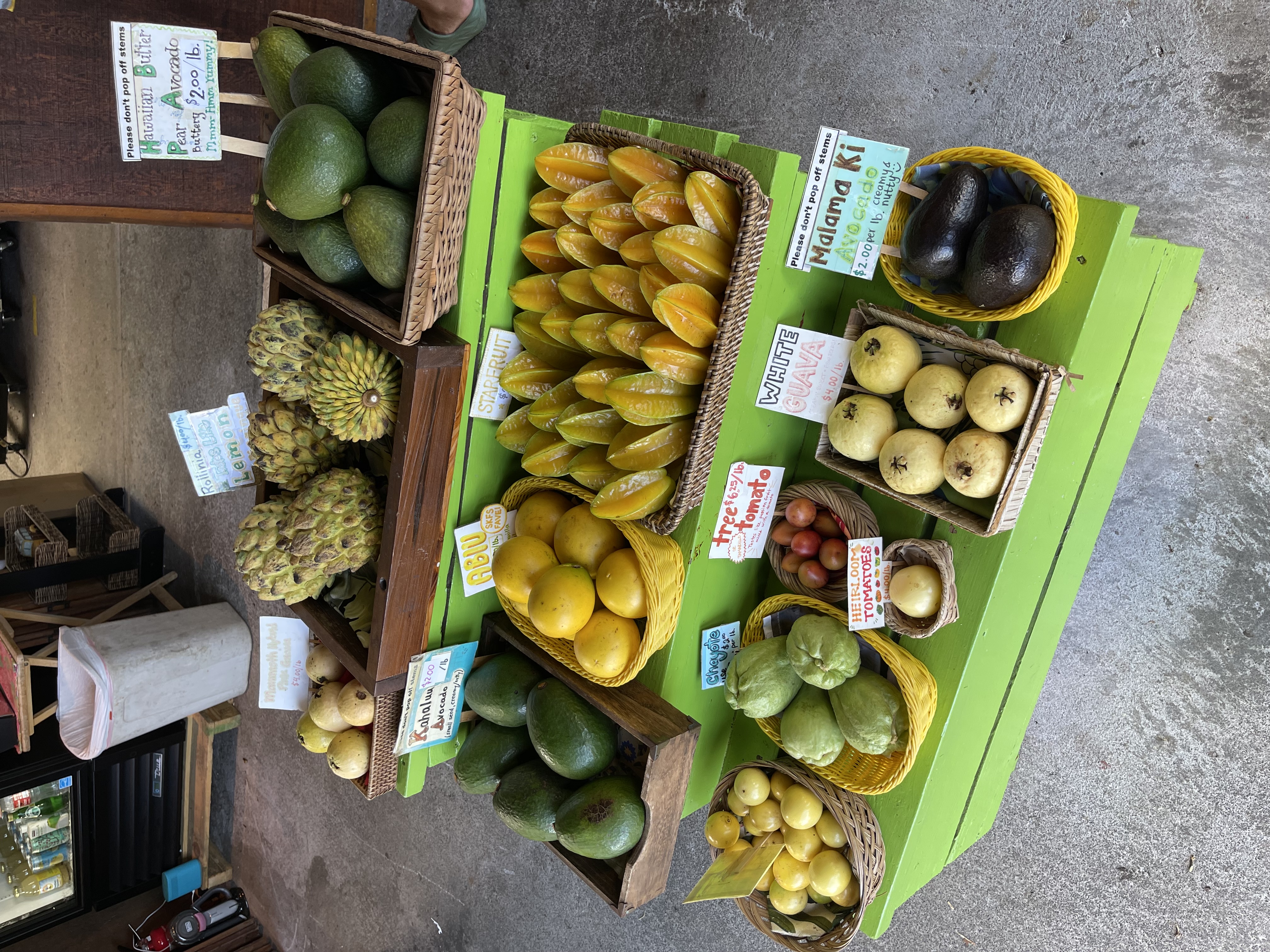
This is the star of the show. You'll find familiar items like bananas and pineapples, but the real fun is in discovering the unfamiliar. Don't be shy—ask vendors for a sample or how to eat something you've never seen before.
- Must-Try Fruits:
- Rambutan: A red, spiky fruit related to the lychee. Sweet, juicy, and fun to eat.
- Lilikoi (Passion Fruit): Both the yellow and purple varieties are available. The tangy, aromatic pulp is perfect for spooning over yogurt or making juice.
- White Pineapple: A local variety that is less acidic and incredibly sweet.
- Apple Bananas: Small, firm bananas with a delightful sweet-tart flavor.
- Mangosteen: The proclaimed "queen of fruits," with a sweet, delicate, and complex flavor. Its season is short, so if you see it, buy it!
- Longan: Similar to lychee but smaller, with a sweet, musky flavor.
- Vegetables: Look for Hawaiian chili peppers, Japanese eggplant, breadfruit ('ulu), taro (kalo), and a wide variety of leafy greens.
Prepared Foods and Local Snacks
Arrive hungry! The market is a fantastic place for a cheap and delicious breakfast or lunch. You'll find food stalls scattered throughout, offering a taste of Hawaiʻi's diverse culinary scene.
- Mochi: Look for vendors selling freshly made mochi in various flavors.
- Plate Lunches: Several stalls offer classic plate lunches, typically with two scoops of rice, mac salad, and a main dish like teriyaki chicken or kalua pork.
- Baked Goods: Freshly baked bread, pastries, and other treats are plentiful.
- Smoothies and Juices: Cool down with a smoothie made from the market's own fresh fruit.
- Filipino Cuisine: You'll often find stalls selling delicious Filipino dishes and pastries like lumpia.
Flowers and Plants
The floral section is breathtaking. Hilo's rainy climate is perfect for growing tropical flowers, and the prices here are unbeatable.
- Orchids: You can find stunning orchid plants and sprays for a fraction of what you'd pay on the mainland. Vendors can advise you on how to transport them home safely.
- Anthuriums: These vibrant, heart-shaped flowers are an iconic symbol of Hilo.
- Leis: Fresh, fragrant flower leis are available, perfect for a special occasion or just to embrace the aloha spirit.
- Tropical Bouquets: Pick up a pre-made bouquet of tropical flowers like ginger, heliconia, and bird of paradise to brighten your hotel room.
Local Crafts and Souvenirs
On Wednesdays and Saturdays, the craft section across the street comes alive. This is the place to find unique, handmade gifts and souvenirs that are far more meaningful than anything you'd find in a generic gift shop.
- Koa Wood Products: Beautifully crafted bowls, utensils, and jewelry made from native Koa wood.
- Jewelry: Find pieces made with local shells, seeds, and sea glass.
- Clothing: Tie-dyed shirts, sarongs (pareos), and dresses with tropical prints.
- Artwork: Local artists sell paintings, prints, and photographs depicting Hawaiian landscapes and culture.
- Body Products: Soaps, lotions, and oils made with local ingredients like coconut, macadamia nut oil, and plumeria.
Tips for a Great Visit
- Bring Cash: While more vendors are accepting cards, many smaller farmers and food stalls are still cash-only. Small bills are appreciated.
- Bring Your Own Bags: Reduce plastic waste by bringing your own reusable shopping bags.
- Arrive Early for the Best Selection: The most popular items and freshest produce can sell out, especially on big market days.
- Pace Yourself: It's a large market. Take your time, do a full loop before you start buying, and don't be afraid to circle back.
- Talk to the Vendors: They are a wealth of knowledge. Ask about their farm, how to prepare an unfamiliar vegetable, or the story behind their craft.
Beyond the Market: Exploring Downtown Hilo
After you’ve had your fill of the market, take some time to explore the rest of historic Downtown Hilo. The market is within easy walking distance of many shops, galleries, and restaurants.
You can stroll along the bayfront, visit the Pacific Tsunami Museum, or browse the unique boutiques and bookshops. Making the market the anchor of your day is a key part of planning a great Big Island itinerary, and you can find more ideas at highendhawaii.com to round out your trip.
Related Reading:
- A Food Lover's Guide to the Best Hilo Restaurants (/blog/best-hilo-restaurants)
- Exploring Rainbow Falls and Wailuku River State Park (/blog/rainbow-falls-wailuku-river-state-park)
- A Day Trip to Hawaiʻi Volcanoes National Park from Hilo (/blog/day-trip-hawaii-volcanoes-national-park-from-hilo)