Hilo Airport vs. Kona Airport: Which to Choose for Hawaiʻi Island
Choosing the right airport for your Big Island vacation is the first and most crucial step in your planning. We break down the key differences between flying into sunny Kona (KOA) versus lush Hilo (ITO).
The first decision you'll make when planning a trip to the Big Island of Hawaiʻi has nothing to do with beaches or volcanoes, but with logistics: which airport should you fly into? The island is served by two main airports on opposite coasts, Ellison Onizuka Kona International Airport (KOA) on the west and Hilo International Airport (ITO) on the east. Choosing the right one can save you hours of driving and set the entire tone for your vacation.
There's no single "best" airport; the right choice depends entirely on your itinerary, priorities, and travel style. Are you dreaming of sunny beaches and luxury resorts, or are you here to explore the raw power of Kīlauea and chase waterfalls? Let's dive into the details to help you decide.
An Overview: Two Sides of the Island
The Big Island's size is its defining characteristic, and the two airports are situated to serve its distinct climate zones and attractions. Think of the island as two separate destinations connected by a 1.5 to 2.5-hour drive.
- Kona International Airport (KOA): Located on the dry, sunny, western side of the island. This is the primary gateway for most visitors, especially those coming from the U.S. mainland.
- Hilo International Airport (ITO): Situated on the lush, rainy, eastern side. It's a smaller airport, primarily serving inter-island flights, and is the logical choice for those focusing on the island's volcanic and jungle landscapes.
Understanding the geography is key. The west side (Kona) is famous for its lava rock landscapes, stunning beaches, and resort areas. The east side (Hilo) is defined by its rainforests, waterfalls, and proximity to Hawaiʻi Volcanoes National Park.
Kona International Airport (KOA): The Sunny West Side Gateway
Flying into Kona is an experience in itself. The airport is almost entirely outdoors, with open-air terminals connected by palm-lined walkways. You'll deplane onto the tarmac and immediately feel the warm, dry Hawaiian air—a welcome shock after a long flight. It embodies the vacation vibe from the moment you arrive.
KOA is by far the larger and busier of the two airports. It receives numerous direct flights from the U.S. West Coast, with some routes from further east and international destinations. Airlines like Hawaiian, United, American, Delta, Southwest, and Alaska all have a significant presence here.
Why Choose Kona (KOA)?
- Resorts and Beaches: KOA is just minutes away from the major resort areas of Kailua-Kona and the Kohala Coast. If your plan involves relaxing at a hotel pool, snorkeling at Kahaluʻu Beach Park, or enjoying the world-class beaches of the Kohala Coast, KOA is your undeniable choice.
- Direct Flights: The convenience of a direct flight from cities like Los Angeles, Seattle, Denver, or Phoenix cannot be overstated. It saves time and the hassle of a connection in Honolulu or Kahului.
- Sunshine: The Kona side of the island receives a fraction of the rain that Hilo does. If your priority is sun-soaked days, this is where you want to be.
- Rental Car Options: KOA has a large, modern consolidated rental car facility a short shuttle ride from the terminal. All the major rental agencies are here, offering a wide selection of vehicles.
Hilo International Airport (ITO): The Green East Side Hub
Hilo's airport feels like a step back in time. It's a much smaller, quieter, and more traditional indoor airport. While it lacks the dramatic open-air design of Kona, it's efficient, easy to navigate, and rarely crowded. You can be off the plane and in your rental car in minutes.
Most flights into Hilo are inter-island connections from Honolulu (HNL) or Kahului, Maui (OGG), primarily on Hawaiian Airlines and Southwest Airlines. While there are a few direct flights from the continental U.S., they are far less frequent than those into Kona.
Why Choose Hilo (ITO)?
- Volcano Proximity: This is the number one reason to fly into Hilo. The airport is only a 45-minute drive from the entrance to Hawaiʻi Volcanoes National Park. If seeing Kīlauea is the main goal of your trip, landing in Hilo saves you hours of driving compared to arriving in Kona.
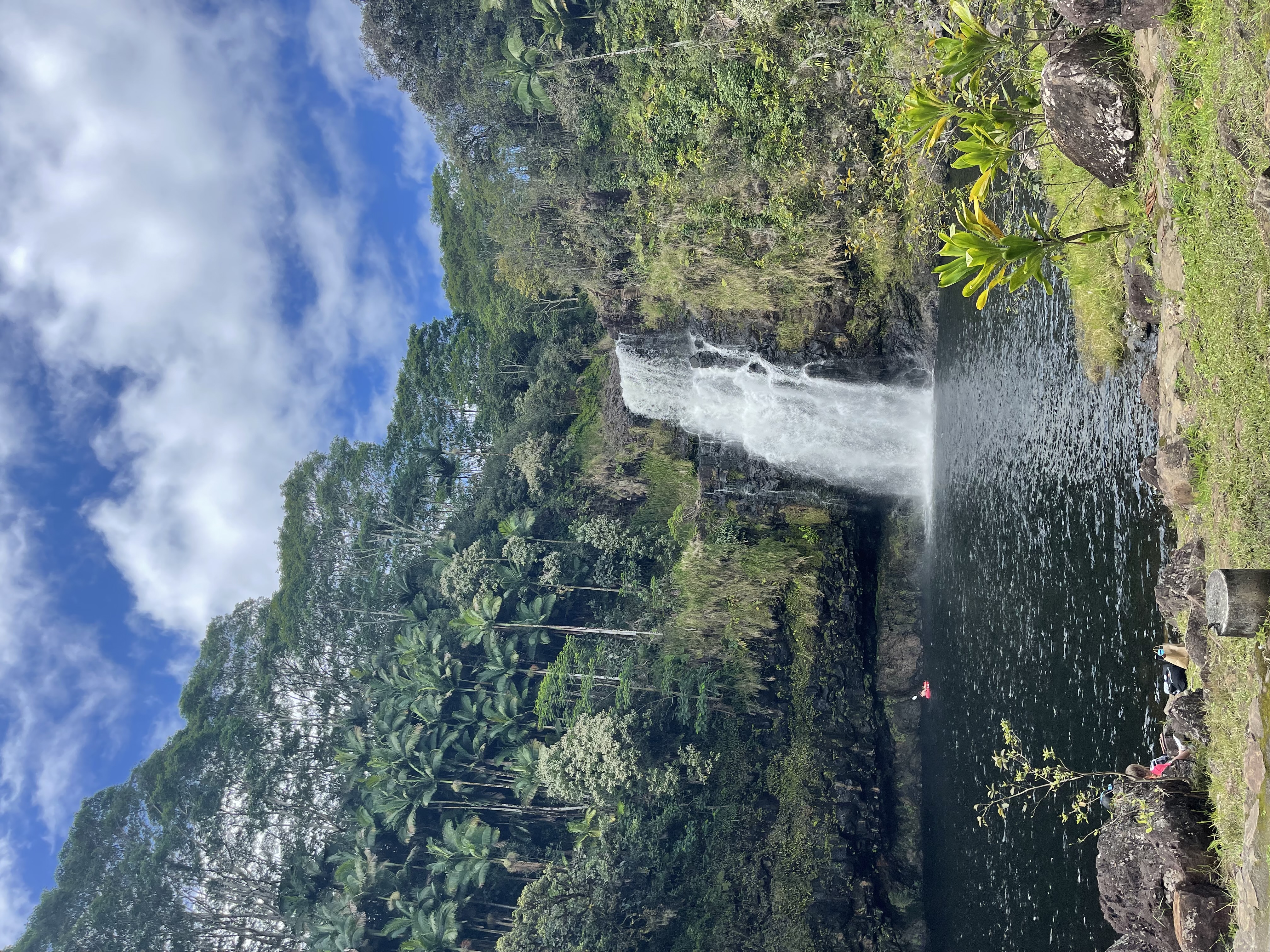
- Waterfalls and Rainforests: The entire Hilo and Hāmākua Coast is a wonderland of lush scenery. Rainbow Falls is minutes from the airport, and the scenic drive north to ʻAkaka Falls State Park is easily accessible.
- Local Vibe: Hilo town is a charming, historic community that feels much more local and less tourist-oriented than Kailua-Kona. If you want to experience a more authentic side of Hawaiʻi, Hilo is a great base.
- Lower Costs (Sometimes): Flights and accommodations in the Hilo area can sometimes be slightly more affordable than on the resort-heavy Kona side.
Key Differences at a Glance
| Feature | Kona International Airport (KOA) | Hilo International Airport (ITO) |
|---|---|---|
| Location | West Hawaiʻi (Dry Side) | East Hawaiʻi (Wet Side) |
| Vibe | Open-air, tropical, busy vacation hub | Small, traditional, quiet, local feel |
| Flight Traffic | Many direct U.S. mainland flights | Mostly inter-island flights |
| Airlines | All major U.S. and some international | Mainly Hawaiian & Southwest |
| Proximity To | Resorts, sunny beaches, snorkeling | Volcanoes, waterfalls, rainforest |
| Rental Cars | Large consolidated rental car center | Agencies are on-site or nearby |
Which Airport Is Better for Your Itinerary?
Choosing an airport is choosing a home base. Your decision should be guided by where you plan to spend the most time.
Choose Kona (KOA) if...
- This is your first trip to the Big Island and you want a classic Hawaiian beach vacation.
- You're staying at one of the resorts along the Kailua-Kona or Kohala Coast.
- Your main activities are snorkeling, sunbathing, swimming with manta rays, and enjoying oceanfront dining.
- You’ve found a convenient direct flight from your home city.
- You plan to do a day trip to the Hilo side but will be based in the west.
Choose Hilo (ITO) if...
- Your primary reason for visiting is to explore Hawaiʻi Volcanoes National Park for multiple days. According to the National Park Service (NPS), a thorough visit requires at least a full day or more, making a Hilo base ideal.
- You're an adventurer who wants to hike through rainforests, swim in jungle streams, and explore the rugged Puna coast.
- You prefer a quieter, more local atmosphere over bustling resort towns.
- You're on a budget and have found cheaper accommodations on the east side.
The Split-Stay Strategy: Fly Into One, Out of the Other
For many travelers, the best solution is to do both! The Big Island is too large to comfortably day-trip across. A popular and highly recommended strategy is to split your stay:
- Fly into Hilo (ITO): Spend 2-3 nights exploring the east side. Visit Hawaiʻi Volcanoes National Park, see the waterfalls, and explore Hilo town.
- Drive to Kona: After your time in Hilo, pick up your bags and drive to the Kona side (either via the northern Saddle Road or the southern route).
- Fly out of Kona (KOA): Spend the remainder of your trip (4-5+ nights) enjoying the beaches and sun of the west side before flying home directly from KOA.
This approach minimizes backtracking, reduces your total driving time, and allows you to experience the incredible diversity of the island without feeling rushed. Most rental car companies allow you to pick up a car at one airport and drop it off at the other, usually for a small one-way fee. This is a small price to pay for the immense logistical advantage.
Airlines and Ground Transportation
KOA is served by a robust roster of airlines, including United, American, Delta, Alaska, Southwest, and Hawaiian, with many non-stop routes from the mainland. Upon arrival, you'll take a short shuttle to the consolidated rental car center where you'll find every major company. Taxis and ride-sharing services (Uber, Lyft) are also readily available.
ITO is mainly a hub for inter-island travel on Hawaiian Airlines and Southwest. While United offers some direct service from the mainland, most travelers will connect through Honolulu. The rental car counters are conveniently located right across from the baggage claim. While ride-sharing is available, options can be more limited than in Kona, especially late at night. For any traveler looking to make the most of their visit, we at High End Hawaii always recommend renting a vehicle to fully appreciate the island's scale and diversity.
Our Final Recommendation
Don't choose your airport based on flight price alone. Look at your dream itinerary first, then pick the airport that serves as the best launchpad.
- For a sun-and-sand vacation centered on resorts and beaches, Kona (KOA) is the clear winner.
- For a volcano-and-rainforest adventure, Hilo (ITO) is the logical choice.
- For the ultimate Big Island experience that captures the full diversity of the island, fly into one airport and out of the other.
By matching your airport to your travel plan, you’ll spend less time in the car and more time experiencing the unmatched beauty of Hawaiʻi Island.
Related Reading:
- Explore our perfect 7-day itinerary: /blog/big-island-itinerary-7-days
- Learn more about getting around: /blog/how-to-get-around-the-big-island-of-hawaii
- Find the best places to stay: /blog/where-to-stay-on-the-big-island