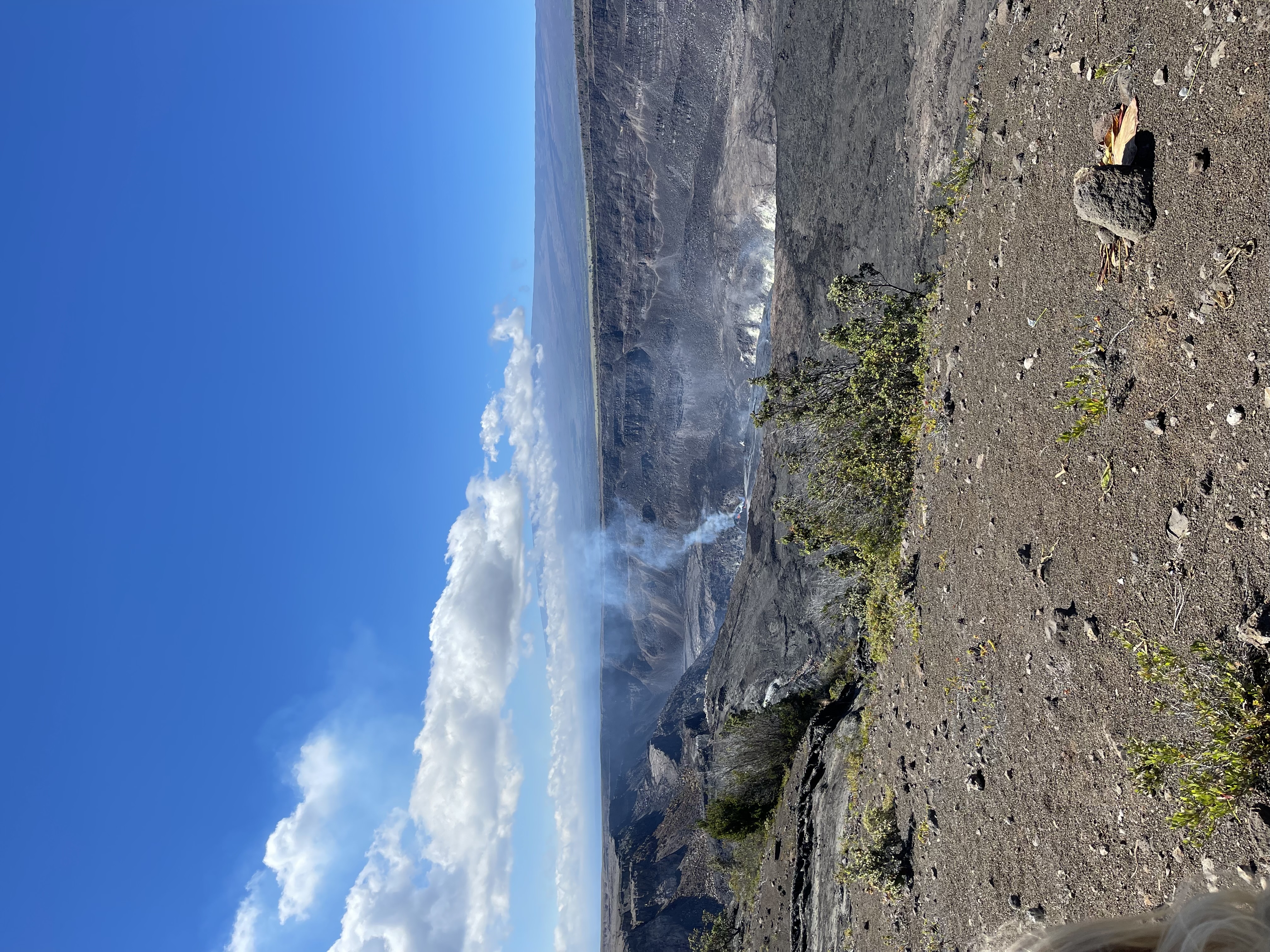
Hawaiʻi Volcanoes National Park Entrance Fee: A Guide for Visitors
Understanding the fees for Hawaiʻi Volcanoes National Park is the first step in planning your adventure. Here's what you need to know about passes, costs, and where your money goes.
A visit to Hawaiʻi Volcanoes National Park is an unforgettable experience, offering a front-row seat to the planet's creative and destructive forces. Before you witness the glow of Kīlauea or hike across a solidified lava lake, it’s important to understand the park's entrance fees. These fees are crucial for the park's upkeep and ensuring it remains a world-class destination for generations to come.
This guide breaks down everything you need to know about the Hawaiʻi Volcanoes National Park entrance fee, from single-visit passes to annual options that can save you money.
Current Entrance Fees
Hawaiʻi Volcanoes National Park operates on a fee system, and your pass is valid for seven consecutive days. This allows you to explore both the main Kīlauea summit area and the separate Kahuku Unit with a single payment. According to the National Park Service (NPS), all visitors are required to purchase a recreational use pass upon entering the park.
Here are the current entrance fees:
| Pass Type | Cost | Details |
|---|---|---|
| Private Vehicle | $30 | Admits one private, non-commercial vehicle and all its occupants. Valid for 7 days. |
| Motorcycle | $25 | Admits one motorcycle and its rider/passenger. Valid for 7 days. |
| Individual | $15 | Admits one individual with no car (bicyclist, hiker, pedestrian). Valid for 7 days. Youth 15 and under are free. |
Payment is accepted via credit card at the park entrance station. Having a card ready will speed up your entry process. The entrance station is staffed, but if you arrive after hours, you can typically pay at an automated kiosk.
The Hawaiʻi Tri-Park Annual Pass
For those who live in Hawaiʻi or plan to visit multiple national parks within the state, the Hawaiʻi Tri-Park Annual Pass offers fantastic value.
- Cost: $55
- Validity: One full year from the month of purchase.
This pass grants access for the pass holder and all passengers in a private vehicle to three stunning national parks in Hawaiʻi:
- Hawaiʻi Volcanoes National Park (Big Island)
- Puʻuhonua o Hōnaunau National Historical Park (Big Island)
- Haleakalā National Park (Maui)
Considering a single-vehicle entry to Hawaiʻi Volcanoes is $30 and Haleakalā is also $30, this pass pays for itself if you plan to visit just these two parks within a year. You can purchase this pass at the entrance station of any of the three participating parks.
America the Beautiful National Parks Pass
If your travels take you to national parks across the United States, the America the Beautiful series of passes is your best bet. These passes provide access to more than 2,000 federal recreation sites, including all U.S. national parks.
- Annual Pass ($80): For anyone. Covers entrance for a driver and all passengers in a personal vehicle.
- Senior Pass ($20/annual or $80/lifetime): For U.S. citizens or permanent residents age 62 or over.
- Military Pass (Free): For current U.S. military members and their dependents. Also available for Gold Star Families and veterans.
- Access Pass (Free): A lifetime pass for U.S. citizens or permanent residents with permanent disabilities.
- 4th Grade Pass (Free): For U.S. 4th-grade students (including home-schooled and free-choice learners) and their families during the school year.
You can purchase the standard Annual Pass at the park entrance or online through the USGS store. The specialized passes (Senior, Military, etc.) often require proof of eligibility and are best obtained in person at a federal recreation site.
How Your Entrance Fee is Used
Ever wonder where your $30 goes? The Federal Lands Recreation Enhancement Act (FLREA) ensures that a significant portion—at least 80%—of the fees collected at Hawaiʻi Volcanoes National Park stay right here in the park. This is not a tax; it's a direct investment in the landscape you've come to enjoy.
According to the NPS, these funds are critical for:
- Trail Maintenance: Repairing and maintaining the park's 150+ miles of hiking trails.
- Visitor Safety: Funding for emergency services and ranger patrols.
- Protecting Resources: Programs to control invasive species and protect native flora and fauna, like the nēnē (Hawaiian goose).
- Infrastructure Repair: Maintaining roads, overlooks, buildings, and restroom facilities.
- Interpretive Programs: Funding for ranger-led talks, guided hikes, and educational exhibits at the Kīlauea Visitor Center.
By paying your entrance fee, you become a partner in the preservation of this unique and sacred landscape.
Fee-Free Days
The National Park Service offers a handful of fee-free days each year, waiving entrance fees for all visitors. While other fees for activities like camping may still apply, these days are a great opportunity to visit.
The dates vary slightly each year, but they typically correspond with these national holidays and celebrations:
- Martin Luther King, Jr. Day (January)
- First Day of National Park Week (April)
- The Great American Outdoors Act Anniversary (August)
- National Public Lands Day (September)
- Veterans Day (November)
Keep in mind that fee-free days are very popular and the park can be more crowded than usual. Plan to arrive early to secure parking at popular spots like Kīlauea Iki or the steam vents.
Planning Your Visit: Beyond the Entrance Fee
Your entrance pass is your key to the park, which is open 24 hours a day, 7 days a week. This allows for incredible opportunities like sunrise hikes or viewing the lava glow after dark. However, facilities have set hours.
The Kīlauea Visitor Center is typically open from 9 a.m. to 5 p.m. daily. It's the best place to start your visit for the latest eruption information from the USGS Hawaiian Volcano Observatory, safety updates, and expert advice from park rangers.
The park has two main sections accessible by car:
- Kīlauea Summit: The main entrance, located off Highway 11 between the towns of Volcano and Pāhala. This is where you'll find the Kīlauea caldera, steam vents, Chain of Craters Road, and most of the popular hiking trails.
- Kahuku Unit: Located further south on the slopes of Mauna Loa, accessed near mile marker 70.5 on Highway 11. It has its own trails and is generally less crowded. Your 7-day pass covers entry here as well, though it's only open on certain days of the week. Always check the park website for Kahuku's current operating hours before you go.
Whether you're planning a multi-day expedition or a quick scenic drive, understanding the park's fee structure ensures a smooth start to your volcanic adventure. If you're looking for a premier experience, consider a guided tour to get the most out of your visit, like those offered by High End Hawaiʻi.
Related Reading
- A First-Timer's Guide to Hawaiʻi Volcanoes National Park:
/blog/guide-hawaii-volcanoes-national-park - Kīlauea Volcano: Tips for Viewing the Eruption Safely:
/blog/kilauea-volcano-viewing-tips - Driving the Chain of Craters Road: A Scenic Journey:
/blog/driving-chain-of-craters-road