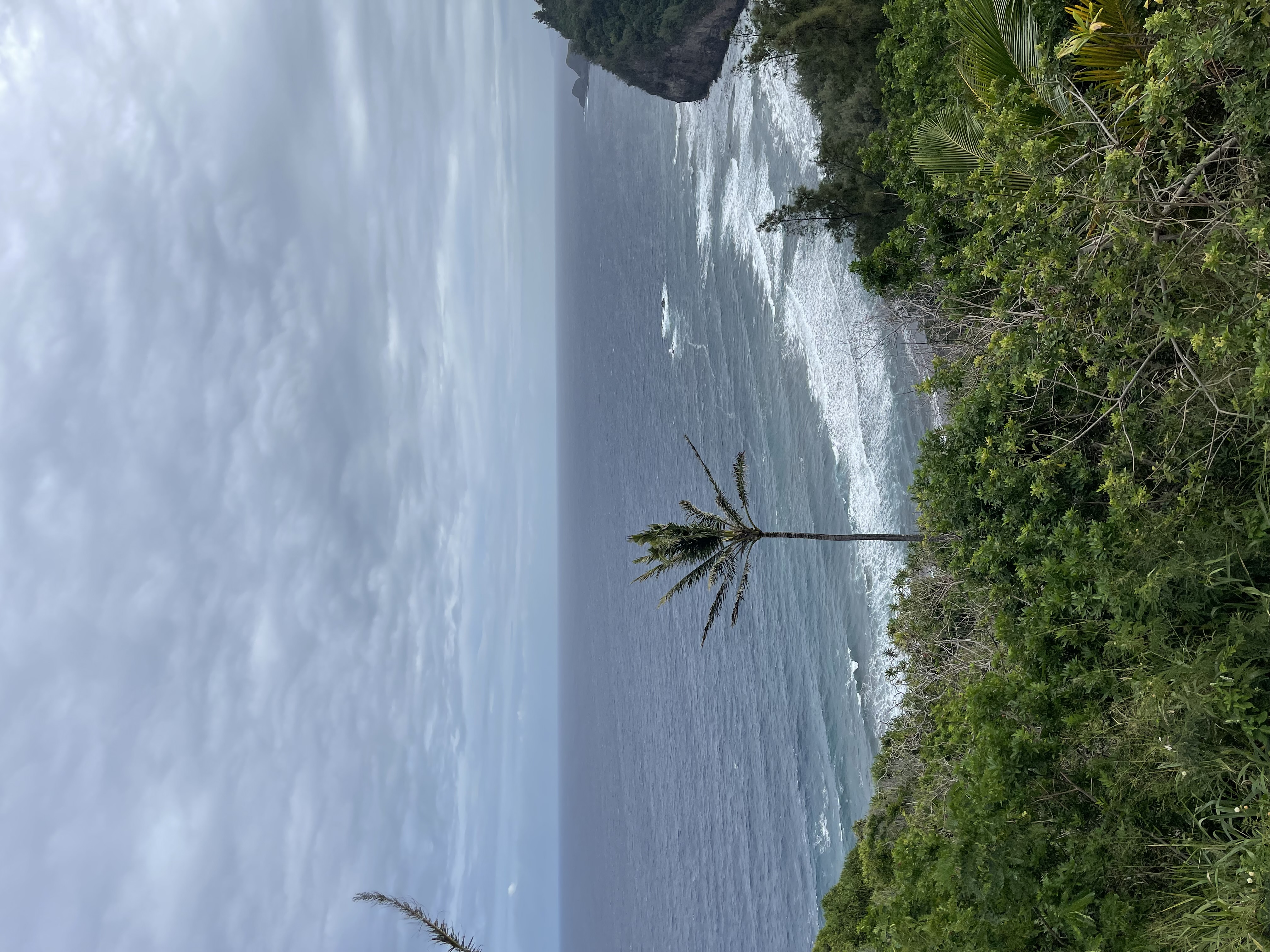
Your Guide to Captain Cook Monument Snorkeling in Kealakekua Bay
Kealakekua Bay is arguably the best snorkel spot on the Big Island, and the Captain Cook Monument marks the prime location. Here's how to experience its vibrant coral reefs and abundant marine life.
Kealakekua Bay, a shimmering turquoise jewel on the Kona coast, holds a well-deserved reputation as the best snorkeling spot on the Big Island of Hawaiʻi. The calm, exceptionally clear waters in the shadow of a sheer cliff (pali) host a dazzling array of marine life. At the northern edge of the bay stands a stark white obelisk: the Captain Cook Monument, marking the exact area where the bay's pristine reef is most vibrant and accessible.
Getting to this underwater paradise, however, requires some planning. Located within the Kealakekua Bay State Historical Park and designated as a Marine Life Conservation District, the area is protected and not accessible by car. This guide walks you through the best ways to experience the magic of snorkeling at Kaʻawaloa, the small cove where the monument stands.
What Makes Kealakekua Bay So Special?
Kealakekua Bay isn't just another pretty snorkel spot; it's a place of immense cultural, historical, and ecological importance. Its name translates to "the pathway of the god," and the area holds deep significance in Hawaiian history, including as a center for the worship of the god Lono.
Its modern fame is tied to Captain James Cook, the British explorer who was the first European to make formal contact with the Hawaiian Islands. He anchored here in 1779, and it was in this very bay that a confrontation led to his death.
Today, the bay's status as a Marine Life Conservation District provides strict protections for its coral reef and marine inhabitants. This has allowed the ecosystem to flourish, resulting in:
- Exceptional Water Clarity: Visibility often exceeds 100 feet, making you feel like you're swimming in an aquarium.
- Healthy Coral Reefs: The reef slopes gently from the shoreline before dropping off dramatically into the deep bay, offering a rich habitat for countless species.
- Abundant Marine Life: From vast schools of tropical fish to pods of spinner dolphins, the bay is teeming with life.
How to Get to the Captain Cook Monument
You cannot drive to the monument. The snorkeling area is on the opposite side of the bay from the main road and parking area. Access is limited to three methods: by a licensed boat tour, with a permitted kayak guide, or via a strenuous hike.
By Licensed Boat Tour (The Recommended Way)
For the vast majority of visitors, a boat tour is the best and most responsible way to experience the monument. These tours are convenient, safe, and operate under permits from the State of Hawaiʻi, ensuring their activities are managed sustainably.
What to Expect:
- Tours typically depart from Keauhou Bay or the Kailua-Kona pier.
- Most last 3-5 hours and include high-quality snorkel gear, flotation devices (like noodles), and instruction for beginners.
- You'll be treated to lunch or snacks and drinks on board.
- The boat will moor offshore in the designated zone at Kaʻawaloa, giving you 1-2 hours of snorkel time right over the best part of the reef.
- Knowledgeable crews share information about the bay's history, geology, and marine life. They are also trained in first aid and water safety.
Booking a tour with a reputable company like Fair Wind or Sea Paradise ensures a hassle-free day. For those seeking a more exclusive experience, private charters are also available and can be arranged through services like High End Hawaiʻi.
By Kayak (With a Licensed Guide)
Paddling across the bay offers a more intimate and adventurous experience. However, this is where regulations become critical. According to the Hawaiʻi Division of State Parks, you cannot land a kayak, canoe, or any vessel at Kaʻawaloa (the monument cove) without a permit. Only three companies are permitted to land kayaks there.
This means you cannot simply rent a kayak from a shop in Kona and paddle over on your own if you intend to get out of your kayak. To do so legally and safely, you must book a guided tour with one of the licensed operators. These tours provide the kayaks, safety gear, and the necessary permit for landing.
- Pros: A great workout, beautiful views from the water, and a more personal experience.
- Cons: Requires more physical effort than a boat tour. You must book with a licensed outfitter to land.
- Warning: Unpermitted landings can result in significant fines and damage the fragile shoreline ecosystem.
By Hiking the Kaʻawaloa Trail (The Strenuous Option)
For the truly adventurous and physically fit, a steep trail descends the pali to the monument. This is not a casual walk.
- The Trail: The Kaʻawaloa Trail is a 3.8-mile round-trip hike with an elevation change of about 1,300 feet. The path is rugged, rocky, and fully exposed to the sun.
- The Challenge: The hike down takes about an hour, but the hike up in the afternoon heat is grueling and can take twice as long. It should only be attempted by experienced hikers in excellent physical condition.
- What to Bring: You must pack in everything you need—and pack it all out. This includes at least 2-3 liters of water per person, sturdy hiking shoes (not sandals), a hat, sunscreen, snacks, and all your snorkel gear.
While the hike offers a sense of accomplishment, most visitors will find a boat tour far more enjoyable and practical.
What You’ll See: Marine Life and Coral
The reward for your efforts is an underwater world bursting with color and activity. The reef at Kaʻawaloa is one of the healthiest in Hawaiʻi. As you float above the coral gardens, look for:
- Parrotfish (uhu): Often seen scraping algae off the coral.
- Yellow Tangs (lauʻīpala): Huge schools of these bright yellow fish are a common sight.
- Butterflyfish (kīkākapu): Dozens of species with intricate patterns.
- Triggerfish: Including the famous state fish, the humuhumunukunukuāpuaʻa.
- Eels (puhi): Moray eels can often be spotted peeking out from crevices in the reef.
- Spinner Dolphins (naiʻa): Kealakekua Bay is a resting place for spinner dolphins. They are often seen in the morning and afternoon. It is crucial to observe them from a distance. Per NOAA guidelines, you must remain at least 50 yards away and never attempt to swim with or chase them.
- Sea Turtles (honu): Green sea turtles occasionally glide through the area.
Snorkeling Best Practices and Safety
To protect this fragile paradise for future generations, please follow these rules:
- Use Reef-Safe Sunscreen: Hawaiʻi has banned sunscreens containing oxybenzone and octinoxate. Choose a mineral-based sunscreen (zinc oxide or titanium dioxide) and apply it well before entering the water.
- Don't Touch the Coral: Coral is a living animal. Touching it, standing on it, or kicking it with your fins can kill it.
- Keep Your Distance from Wildlife: Never touch, chase, or harass any marine life. This is especially true for protected species like turtles and dolphins.
- Know Your Limits: The water at the drop-off is very deep. Stay within your comfort zone and use a flotation device if you are not a strong swimmer.
- Pack It In, Pack It Out: Leave no trace. Take all of your trash with you, especially if you hike in.
Related Reading:
- For more options, see our guide to the [/blog/best-kona-snorkel-spots].
- Explore other ways to get on the water with our roundup of [/blog/big-island-boat-tours].
- Discover what else the Kona coast has to offer with a visit to [/blog/kona-coffee-farm-tours].