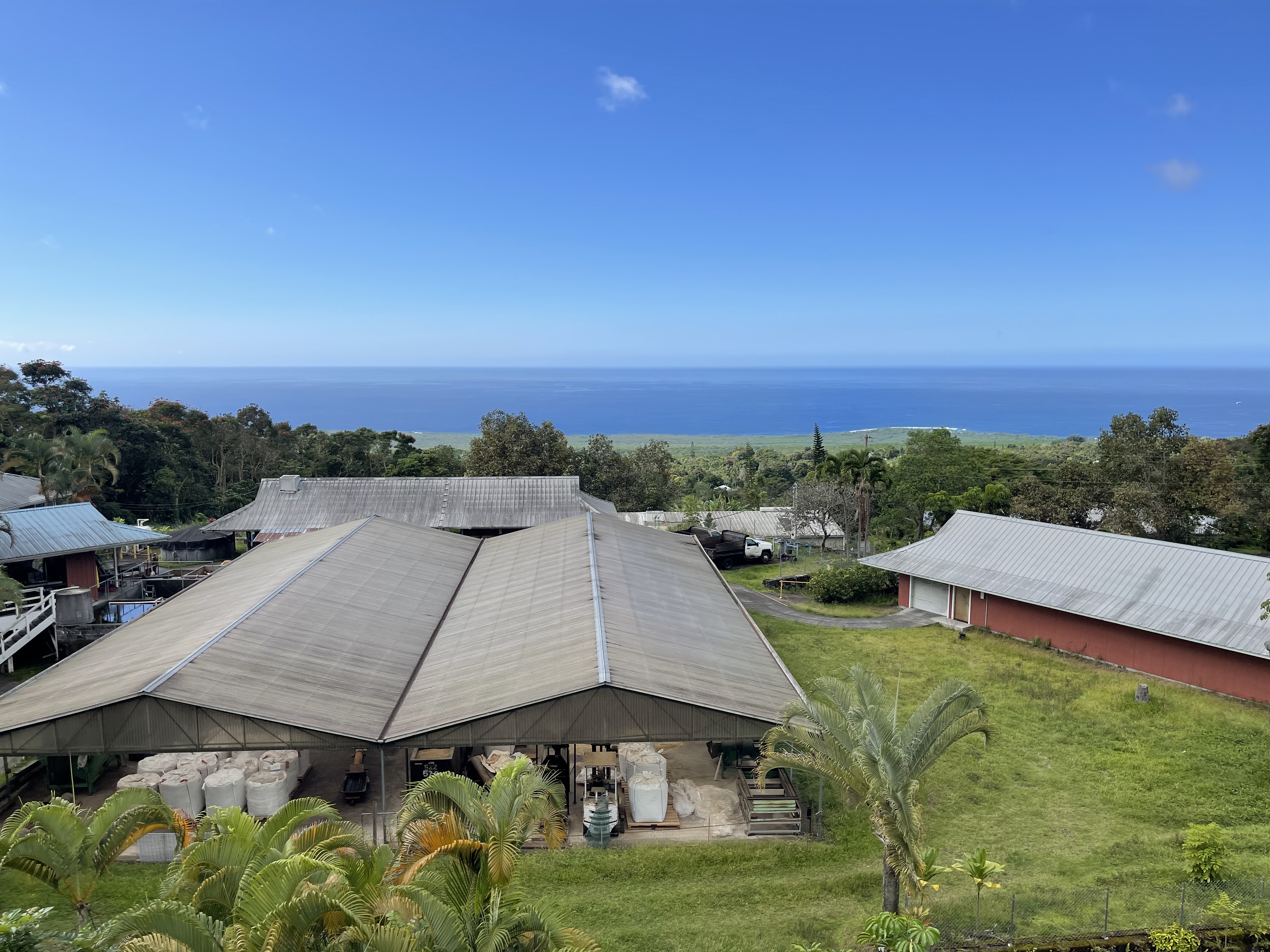
Captain Cook Monument Hike & Snorkel: The Kaʻawaloa Trail Guide
The hike to the Captain Cook Monument via the Kaʻawaloa Trail is one of the most challenging on the Big Island, but it rewards with some of the best snorkeling in Hawaiʻi. Here’s what you need to know.
The Kaʻawaloa Trail to the Captain Cook Monument is a Big Island legend, whispered among hikers with a mix of reverence and warning. This isn't a casual stroll; it's a grueling, sun-scorched descent to a snorkeler's paradise. The reward for your sweat is the crystal-clear water of Kealakekua Bay, a place teeming with life, but the price is a brutal, uphill climb back to civilization.
This guide lays out the unvarnished truth about the hike, the world-class snorkeling that awaits, and the crucial preparations you need to make. If you're considering this adventure, read this first. It might convince you to go for it, or it might wisely steer you toward a much easier boat tour.
What is the Captain Cook Monument & Kealakekua Bay?
Kealakekua Bay is more than just a pretty spot; it's a place of immense historical and ecological importance. It's designated as a State Historical Park and a Marine Life Conservation District (MLCD), one of the most protected and vibrant reefs in all of Hawaiʻi.
The bay is where British explorer Captain James Cook first made contact with Native Hawaiians in 1779. It is also where, just a few weeks later, a conflict erupted that resulted in his death. The stark white obelisk that stands on the shore—the Captain Cook Monument—was erected by Great Britain in 1874 to commemorate him. The small parcel of land it sits on was deeded to the United Kingdom and is technically managed by the British Royal Navy.
Beyond its history, the bay's geography makes it an ideal marine habitat. The cliffs surrounding it provide shelter from the wind and open ocean swells, resulting in exceptionally calm and clear water. This protection allows for fragile coral gardens to thrive, creating a sanctuary for an incredible density of tropical fish.
The Kaʻawaloa Trail: A Brutal but Beautiful Hike
Let's be perfectly clear: the Kaʻawaloa Trail is one of the most difficult short hikes on the Big Island. The State of Hawaiʻi Department of Land and Natural Resources (DLNR) frequently warns hikers about the trail's dangers, as rescues for dehydrated and exhausted individuals are common. Do not underestimate it.
Trail Statistics
- Length: 3.8 miles (6.1 km) round-trip
- Elevation Change: ~1,300 feet (400 m) one-way
- Time: 3–5 hours, plus time for snorkeling
- Difficulty: Strenuous / Advanced
The Descent
The hike begins at about 1,400 feet elevation and descends all the way to sea level over 1.9 miles. The path is an old, unmaintained jeep road, which means it's wide but also rugged, composed of loose lava rock, boulders, and uneven dirt patches. There is virtually no shade.
Even going down is a challenge. The steep grade puts constant pressure on your knees and ankles, and the loose rock requires your full attention to avoid a fall. The best and only time to start your descent is early in the morning, ideally just after sunrise. This allows you to hike down in the coolest part of the day and gives you plenty of time at the bottom before the grueling ascent.
The Ascent
This is the crux of the adventure. After several hours of swimming and relaxing, you must climb 1,300 feet back up the same exposed, shadeless trail. By late morning or early afternoon, the Kona sun is relentless, radiating off the dark lava rock and creating oven-like conditions.
This is where hikers get into serious trouble. The combination of the steep incline and intense heat can quickly lead to dehydration and heat exhaustion. Take the climb slowly, rest often (in the few slivers of shade you might find), and drink water constantly. There is no shortcut and no alternative route. You must be physically prepared for this level of exertion in a hot environment.
Finding the Trailhead & Parking
The trailhead is notoriously unmarked, adding a small layer of adventure before you even begin. It's located in the residential community of Captain Cook, off Nāpōʻopoʻo Road.
To find it, drive down Nāpōʻopoʻo Road from the Māmalahoa Highway (Hwy 11). Look for a telephone pole on the right side of the road with a faint, painted-over "Path to the Sea" sign, between residential driveways. The trail starts here, just past a metal gate.
Parking is extremely limited. You must park on the shoulder of Nāpōʻopoʻo Road. Be respectful of the local residents: park completely off the pavement, do not block any driveways, and keep noise to a minimum, especially in the early morning. Your car will be exposed for several hours, so do not leave any valuables inside.
Snorkeling at Kealakekua Bay
If you've endured the hike down, you've earned the reward. The snorkeling at Kealakekua Bay is truly world-class. As you approach the monument, you'll see the water transition to an impossible shade of turquoise blue. The clarity is often over 100 feet.
Entering the water is the final small hurdle. The easiest entry point is from the concrete pier to the left of the monument. Be warned: the rocks and pier can be extremely slippery with algae. Move slowly and carefully. A shuffling, seated entry is often the safest bet.
Once in the water, the effort of the hike melts away. You'll be greeted by:
- Vast Coral Gardens: Healthy coral stretches out in all directions, particularly to the right of the monument.
- Massive Schools of Fish: Expect to see huge schools of yellow tang (
lauʻīpala), parrotfish (uhu), butterflyfish, and more. - Spinner Dolphins (
Naiʻa): Kealakekua Bay is a resting area for spinner dolphins. You may see them from the shore, often in the morning. Per federal law, you must remain at least 50 yards away from them and never attempt to swim with or pursue them.
Remember, you are a guest in a protected ecosystem. Do not touch or stand on the coral, use only reef-safe sunscreen, and pack out everything you pack in.
What to Pack: Your Essential Gear List
Packing correctly is not just for comfort; it's for your safety. Do not attempt this hike without these items.
- Water: An absolute minimum of 3 liters per person. Four is better. You cannot bring too much water.
- Sturdy Footwear: Closed-toe hiking shoes or trail runners with good grip are essential. Do not attempt this in sandals or flip-flops.
- Sun Protection: A wide-brimmed hat, sunglasses, and high-SPF, reef-safe sunscreen are non-negotiable. A long-sleeved sun shirt or rash guard is highly recommended for both the hike and snorkeling.
- Snorkel Gear: Mask, snorkel, and fins. Fins are crucial for navigating the large snorkel area safely.
- Salty & High-Energy Snacks: Replenish the electrolytes and calories you'll burn. A proper lunch is a good idea.
- Small First-Aid Kit: For blisters, scrapes, or cuts.
- Backpack: To carry everything comfortably, leaving your hands free for balance.
There are NO facilities at the bottom—no water, no restrooms, no food, no trash cans. You are completely on your own.
Is the Hike Worth It? Weighing the Pros and Cons
This is a personal decision based on your fitness level and appetite for adventure. For some, it's the highlight of their trip. for others, it's a miserable ordeal.
| Pros | Cons |
|---|---|
| World-class, unforgettable snorkel | Extremely strenuous and physically demanding |
| Incredible sense of accomplishment | High risk of dehydration & heat exhaustion |
| Fewer people than on boat tours | No facilities (water, restrooms, etc.) |
| Free (no cost for a tour) | Trail is unmaintained and can be dangerous |
| Beautiful coastal views | Difficult and slippery water entry |
Alternatives: Other Ways to See the Monument
If the hike sounds like too much (and for many people, it is), you can still experience the magic of Kealakekua Bay. In fact, most visitors arrive by sea.
- Boat Tours: This is the easiest and most popular method. Numerous companies in the Kailua-Kona area offer morning snorkel tours that moor in the bay. They provide all the gear, food, drinks, and a safe way to get in and out of the water. This is the recommended option for families, casual snorkelers, and anyone not prepared for the hike.
- Kayaking: Kayaking across the bay is another wonderful option, but it is strictly regulated. You cannot simply rent a kayak and paddle over on your own to land at the monument. According to the State of Hawai'i (DLNR), you must go with one of the few permitted tour companies that are authorized to guide trips and land equipment in the Kaʻawaloa area. This is the best way to combine an active adventure with access to the bay without the grueling hike.
Ultimately, whether you arrive on foot, by kayak, or by catamaran, experiencing Kealakekua Bay is a must-do. Choosing the right way to get there is key to planning your perfect Big Island adventure and ensuring your memories are of the stunning beauty, not of a rescue.
Related Reading
- For more underwater adventures, check out our guide to the Best Snorkeling Spots in Kona.
- If you're an avid hiker, explore our list of Challenging Hikes on the Big Island.
- Get the big picture with our Guide to Planning Your Trip to Kona.