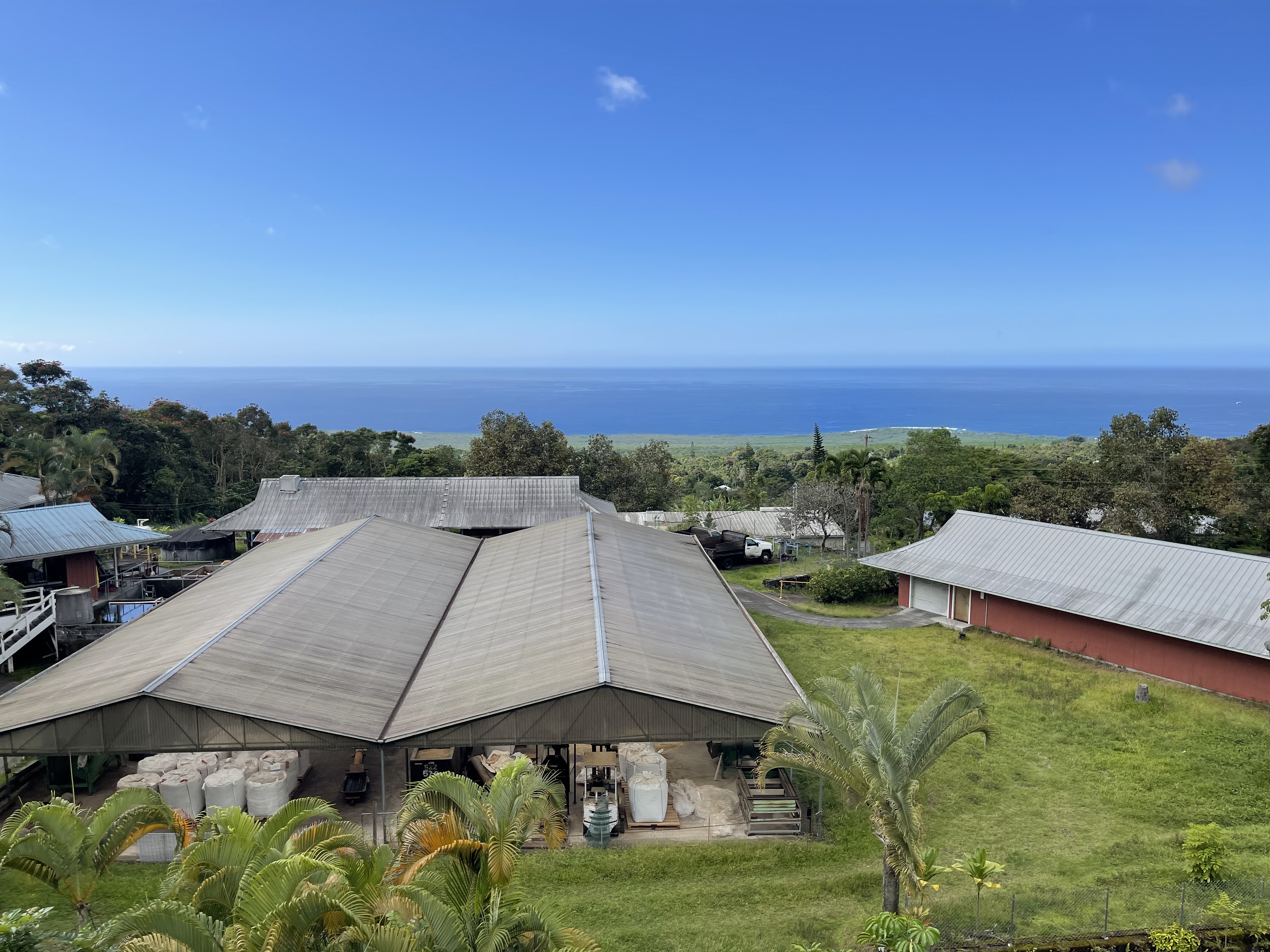
A Family Travel Guide to the Big Island of Hawaiʻi with Kids
From active volcanoes and calm snorkeling bays to vast starry skies, the Big Island is a playground for curiosity. Our guide helps you plan an unforgettable family adventure on Hawaiʻi.
The Island of Hawaiʻi, often called the Big Island, is a destination of incredible scale and diversity, making it a spectacular classroom and playground for families. With its active volcanoes, lush rainforests, sunny beaches, and rich cultural history, it offers something to spark the imagination of every child and parent. Navigating its sheer size with little ones in tow, however, requires a bit of planning to make the most of your time.
This guide is designed for families, focusing on practical advice, age-appropriate activities, and tips for creating memories that will last a lifetime. Whether you're traveling with toddlers or teens, the Big Island provides a backdrop for adventure, learning, and connection.
Why the Big Island is a Great Choice for Families
Unlike other Hawaiian islands, the Big Island offers a unique blend of adventure and relaxation on a grand scale. Its size means more driving, but it also means more diversity. Here’s why it’s a fantastic pick for a family vacation:
- Living Science Lessons: Where else can you safely witness land being created? Hawaiʻi Volcanoes National Park is a living laboratory. Kids can see steam vents, walk through lava tubes, and learn about geology in real-time.
- Diverse Climates: You can spend the morning snorkeling in the sunny Kohala Coast and the afternoon exploring the misty rainforests of Hilo. This variety keeps things interesting and offers a reprieve from the heat.
- Wildlife Encounters: The island is a haven for wildlife. Spinner dolphins, green sea turtles (honu), and, in the winter, humpback whales are common sights. It’s a chance for kids to see these animals in their natural habitat.
- Cultural Depth: The island is rich in Hawaiian history and culture. From ancient heiau (temples) to modern cultural centers, there are many opportunities to learn about the heritage of Hawaiʻi.
West Hawaiʻi (The Kona Side) with Kids
The western side of the island, encompassing Kailua-Kona and the Kohala Coast, is known for its sunny weather and beautiful beaches. This is where you’ll find most of the island's resorts and classic beach vacation vibes.
Best Kid-Friendly Beaches & Snorkeling
- Kahaluʻu Beach Park: Just south of Kailua-Kona, this is arguably the best place for beginner snorkelers. A protected bay keeps the water calm, and the shallow entry is perfect for children. You are almost guaranteed to see colorful fish and honu (green sea turtles) here. Arrive early as parking is limited.
- Hāpuna Beach State Recreation Area: Consistently ranked among the world's best beaches, Hāpuna offers a half-mile of soft, white sand. During calm summer months, it’s a fantastic place for swimming and boogie boarding. Winter swells can bring strong shorebreak, so always check conditions.
- Kamakahonu Beach (King Kam Beach): Located right in front of the Courtyard King Kamehameha's Kona Beach Hotel in Kailua-Kona, this small, protected cove is extremely calm. It’s perfect for toddlers and young children to splash in safely. It’s also the starting point for the Ironman World Championship swim.
Other West Side Activities
- Puʻuhonua o Hōnaunau National Historical Park: This meticulously restored “place of refuge” is a powerful cultural site. The flat, half-mile walking trail is stroller-friendly and offers a fascinating glimpse into ancient Hawaiian law and society. Kids love seeing the fierce-looking kiʻi (carved wooden images).
- Atlantis Submarine Adventure: For a unique underwater view without getting wet, the Atlantis Submarine tour out of Kailua-Kona is a hit with kids. It descends 100 feet to explore a 25-acre natural coral reef and its marine inhabitants.
East Hawaiʻi (The Hilo Side) with Kids
The eastern side is the island's lush, wet counterpart. Hilo is the main town, and the region is characterized by rainforests, waterfalls, and a more local, laid-back atmosphere. It’s the gateway to Hawaiʻi Volcanoes National Park.
Waterfalls and Gardens
- Rainbow Falls (Waiānuenue): Located right in Hilo, these falls are incredibly accessible. The viewing platform is just a short walk from the parking lot. Go in the morning for the best chance to see the namesake rainbow in the mist.
- ʻAkaka Falls State Park: A paved, 0.4-mile loop trail takes you through a lush rainforest to viewpoints of the 100-foot Kahūnā Falls and the majestic 442-foot ʻAkaka Falls. While there are stairs, the path is well-maintained and manageable for most children.
- Hawaiʻi Tropical Bioreserve & Garden: North of Hilo, this garden is a magical experience. Winding paths lead you through a valley filled with over 2,000 species of tropical plants, streams, and waterfalls. It’s a feast for the senses, though the full trail might be long for very small children.
Volcano Adventures for All Ages
A trip to the Big Island isn't complete without visiting Hawaiʻi Volcanoes National Park. Home to two of the world's most active volcanoes, Kīlauea and Mauna Loa, it’s a place of constant change. According to the U.S. Geological Survey (USGS), Kīlauea has been in a near-constant state of eruption for decades, offering a high probability of seeing volcanic activity.
Kid-Friendly Volcano Itinerary
- Start at the Kīlauea Visitor Center: Pick up a map, talk to a ranger about current conditions and closures, and watch the park film. This is also where the Junior Ranger program booklets are available—a must-do for school-aged kids.
- Walk the Paved Path to Steam Vents: Just outside the visitor center, kids can see and feel volcanic heat rising from the ground. It’s a safe and exciting way to experience the volcano's power.
- Explore Nāhuku (Thurston Lava Tube): This is a highlight for most families. A short, paved walk through a fern forest leads to the entrance of a 500-year-old lava tube. The cave is lit, but bringing a flashlight adds to the fun.
- Drive Chain of Craters Road: This 19-mile road descends 3,700 feet to the coast. There are numerous pullouts to see past lava flows and craters. The road ends where a 2003 lava flow covered it. The Hōlei Sea Arch at the bottom is a dramatic reward.
Note on Viewing Lava: Seeing molten lava is never guaranteed. Check the National Park Service (NPS) website for the latest viewing information. Eruptions can start and stop with little notice.
Stargazing and Mountain Adventures
The Big Island is home to Mauna Kea, a dormant volcano that is the tallest mountain in the world when measured from its base on the ocean floor. It is a sacred place in Hawaiian culture and one of the world's premier sites for astronomy.
Mauna Kea with Kids
Important: The drive to the 13,803-foot summit of Mauna Kea is not recommended for children under 13, pregnant women, or anyone with respiratory or heart conditions due to the risk of altitude sickness. Most rental car agreements forbid driving on the unpaved summit road.
Instead, visit the Maunakea Visitor Information Station (VIS) at 9,200 feet. It is accessible by any vehicle and offers a much safer high-altitude experience. While the official stargazing programs have been paused, the parking lot at the VIS remains one of the best and most accessible places on earth for stargazing. Bring jackets, as it gets very cold after sunset.
For a curated experience with transportation and expert guides, consider booking through a reputable tour company. Many options can be found and compared on platforms like highendhawaii.com.
Kid-Friendly Food & Drink
- Shave Ice: A trip to Hawaiʻi isn't complete without it. Go for places that use real fruit syrups. Original Big Island Shave Ice Co. (stores in Kawaihae and Waikoloa) and Scandinavian Shave Ice (Kailua-Kona) are local favorites.
- Farmers Markets: These are great places to find fresh fruit, baked goods, and local snacks. The Hilo Farmers Market and the Keauhou Farmers Market are two of the best. It's a fun way for kids to try new things like lilikoʻi (passion fruit) or rambutan.
- Plate Lunches: A staple of local cuisine, the plate lunch usually consists of two scoops of rice, a scoop of macaroni salad, and an entrée like teriyaki chicken or kalua pork. It's a filling and affordable meal that most kids will enjoy.
Practical Tips for Your Family Trip
- Embrace the Driving: The Big Island is big. A drive from Kona to Hilo takes about 1.5-2 hours without stops. Plan your days by region to minimize time in the car, and pack snacks, drinks, and entertainment.
- Book Lodging Strategically: Many families choose to split their stay between the west side (Kona/Kohala) and the east side (Hilo/Volcano). This cuts down on driving and allows you to fully experience the unique character of each region.
- Pack for All Climates: Bring swimsuits, sun hats, and reef-safe sunscreen for the coast, but also pack rain jackets, long pants, and layers for the cooler, higher elevations of Volcano and Mauna Kea.
- Respect the ʻĀina (Land): Teach your children about the importance of being respectful visitors. This means not touching sea turtles or seals, packing out what you pack in, staying on marked trails, and not taking any rocks or sand (especially from a black or green sand beach, which is also against the law).
Related Posts