A Visitor's Guide to the Best Big Island Waterfalls
The Big Island is famous for its dramatic waterfalls, most found along the lush Hāmākua Coast. Here’s our guide to the must-see falls, from towering cascades to those you can swim beneath.
The dramatic, verdant landscape of the Big Island's windward side is a world away from the sunny lava fields of Kona. This is waterfall country, where staggering cliffs meet lush rainforest, and countless streams cascade towards the Pacific. From easily accessible roadside wonders to giants hidden deep in remote valleys, exploring the waterfalls is a quintessential Big Island experience.
Most of the island's waterfalls are concentrated on the eastern Hilo and Hāmākua Coast, a region that receives hundreds of inches of rain annually. This constant moisture feeds the rivers that carve through the volcanic rock, creating the spectacular sights you've come to see. Our guide breaks down which falls you can easily visit, which are worth paying for, and which you can only dream of seeing from a helicopter.
Why So Many Waterfalls? A Quick Geography Lesson
The Big Island’s waterfall geography is a simple story of wind and mountains. The prevailing tradewinds from the northeast pick up moisture over the Pacific Ocean. As they reach the Big Island, they are forced upward by the massive slopes of Mauna Kea and Mauna Loa. This upward push, known as orographic lift, causes the air to cool and release its moisture as rain.
This process dumps an average of 130 inches of rain on Hilo annually, while the leeward Kona side, sitting in the rain shadow of the volcanoes, receives a mere 10-20 inches. All that water on the east side has to go somewhere. It gathers in streams and rivers like the Wailuku River, flowing down the steep pali (cliffs) and creating the breathtaking waterfalls the Hāmākua Coast is famous for.
The best time to see the falls in their full glory is during the wetter season (November through March) or after a few days of solid rain, but honestly, they are spectacular year-round.
Easily Accessible & Famous Falls
These are the waterfalls you can see with minimal effort, often just a short walk from the parking lot. They are popular for a reason and should be on every visitor's list.
Rainbow Falls (Waiānuenue)
Located right within Hilo town, Rainbow Falls is arguably the most accessible major waterfall on the island. The falls are part of the Wailuku River, the longest river in the Hawaiian archipelago. At a modest 80 feet, its power isn't in its height but in its breadth and the sheer volume of water that thunders into the turquoise pool below.
Its English name comes from the rainbows that form in its mist on sunny mornings, typically best viewed between 9 and 10 a.m. According to legend, the large cave behind the waterfall is the home of Hina, the mother of the demigod Māui. There is no hiking involved; a viewing platform is just steps from the parking area. It's free to visit and a perfect first stop for a day of waterfall viewing.
ʻAkaka Falls State Park
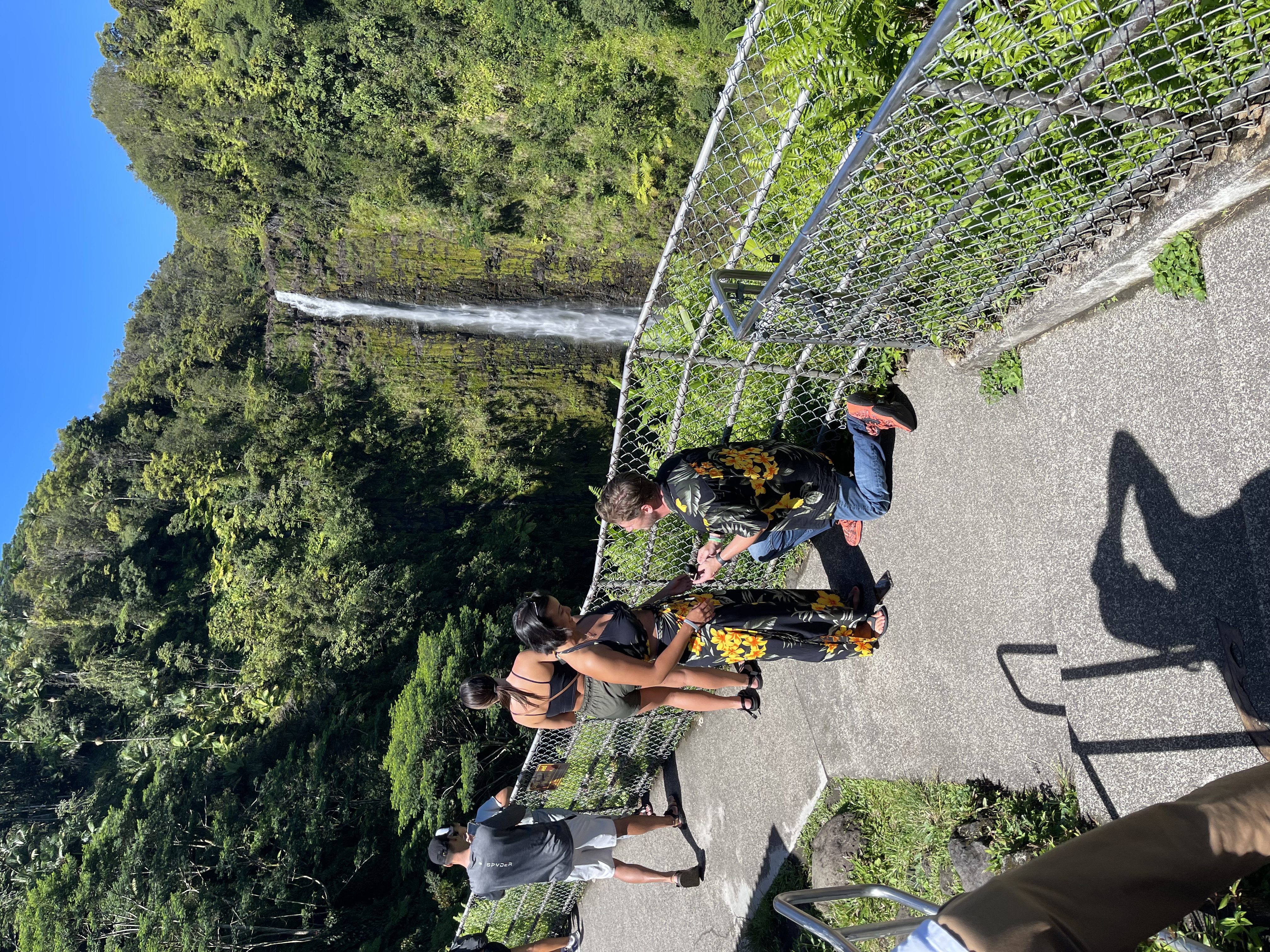
If you only have time for one waterfall excursion, make it ʻAkaka Falls. This is the supermodel of Big Island waterfalls. Located about 11 miles north of Hilo, this state park offers a stunning glimpse into the island's lush interior.
After paying a modest entrance fee ($5 per person for visitors, plus a parking fee), you’ll embark on a gorgeous 0.4-mile loop trail. This paved path winds through a jungle of giant bamboo groves, giant ferns, and fragrant ginger blossoms. Before you even reach the main event, you'll see the 100-foot Kahūnā Falls from a distance.
The star, ʻAkaka Falls, is a breathtaking sight, plunging 442 feet in a straight, uninterrupted drop down a sheer cliff face. The viewing platform provides a perfect, photo-ready vantage point. The entire experience is well-maintained, safe, and utterly beautiful, making it worth every penny of the entrance fee.
Private Waterfalls: Pay to Play & Swim
Some of the island's most idyllic waterfall experiences are on private land, which can be a good thing. It often means smaller crowds and the ability to do things you can't at public parks, like swimming.
Kulaniapia Falls
Just outside of Hilo lies a 40-acre private property that is home to the stunning 120-foot Kulaniapia Falls. This is the waterfall you see in your dreams—a powerful cascade tumbling into a massive, swimmable pool. For years, access was limited to guests of The Inn at Kulaniapia, but they now offer a limited number of day passes to visitors.
A day pass grants you several hours to explore the property, which includes not only the main waterfall but also smaller falls and trails. You can swim, kayak, and paddleboard right at the base of the falls, an experience you can't get at state parks. While it requires booking and a fee, it's a fantastic option for those who want a guaranteed and safe place to swim in a waterfall.
Umauma Falls
The Umauma River carves a path through another private property north of Hilo, creating the unique sight of the three-tiered Umauma Falls. The property has been developed into The Umauma Experience, an adventure park centered around the beautiful falls.
You can view the falls from their garden walk, but the main draw here is the series of nine ziplines that crisscross the river and offer incredible views of the cascades. They also offer other activities like a giant swing, kayaking, and a swimming pond. It's a great choice for families and thrill-seekers who want to combine waterfall viewing with other adventures.
The Raw Power of the Wailuku River
Upstream from Rainbow Falls, the Wailuku River offers another dramatic, and dangerous, point of interest.
Peʻepeʻe Falls & Boiling Pots
A short drive from Rainbow Falls brings you to a lookout for Peʻepeʻe Falls (pronounced Peh-eh-peh-eh) and the area known as Boiling Pots. Peʻepeʻe Falls itself is a lovely, wide cascade. Below it, the river flows through a series of terraced pools and lava formations. During high water, the turbulent water swirls and bubbles up in the pools, giving the area its descriptive name, "Boiling Pots."
A critical warning: This area is extremely dangerous. The United States Geological Survey (USGS) notes that the Wailuku River is prone to flash floods. The currents are deceptively strong, and many people have been swept away and drowned here. Heed the warning signs. Enjoy the view from the lookout, but do not attempt to swim or climb down to the river.
Helicopter Tours: The Only Way to See Some Falls
Many of the Big Island's most spectacular waterfalls are hidden deep within inaccessible valleys, their faces visible only from the sky. A helicopter tour is a splurge, but it provides a perspective that is otherwise impossible to achieve. Tours fly over the Kohala coast, where deep, green-walled valleys hide waterfalls that drop thousands of feet directly into the ocean. You'll also see the remote Waimanu Valley, which is estimated to have over two dozen major waterfalls.
For those seeking a truly exclusive view of these natural wonders, luxury tour operators on the island can arrange private helicopter charters, providing an unforgettable and intimate experience with the island's hidden beauty. One such resource for high-end travel planning is High End Hawaii.
The Legend: Hiʻilawe Falls in Waipiʻo Valley
No discussion of Big Island waterfalls is complete without mentioning the legendary Hiʻilawe Falls. With a total drop of around 1,450 feet, it is one of the tallest waterfalls in all of Hawaiʻi. It's located deep in the sacred Waipiʻo Valley and was made famous by a beloved Hawaiian song.
Unfortunately, Hiʻilawe is largely inaccessible and often misunderstood. Firstly, the road into Waipiʻo Valley is currently closed to all visitors due to safety concerns, as mandated by the County of Hawaiʻi. Secondly, the waterfall is on private land, far back in the valley and not visible from the valley lookout or the beach. Lastly, a portion of the stream that feeds the falls was diverted decades ago for agriculture, meaning the falls often run dry or with very little flow. Seeing Hiʻilawe is, for the foreseeable future, not a realistic goal for visitors.
Safety and Mālama ʻĀina (Caring for the Land)
Enjoying the island's natural beauty comes with responsibility. Please keep the following in mind:
- Flash Floods: Weather can change instantly. Never enter a stream if the water is murky, rising, or changing color. If you are in a stream and it starts raining heavily, get out immediately. Check National Park Service (NPS) and State of Hawaiʻi alerts before hiking.
- Leptospirosis: This is a bacteria found in fresh water that can enter the body through open cuts. The risk is small, but it's wise to stay out of the water if you have any open wounds.
- Private Property: Many streams and access routes cross private land. Always obey posted signs and never trespass.
- Leave No Trace: Pack out everything you pack in. Respect the ʻāina (land) that provides these incredible sights.