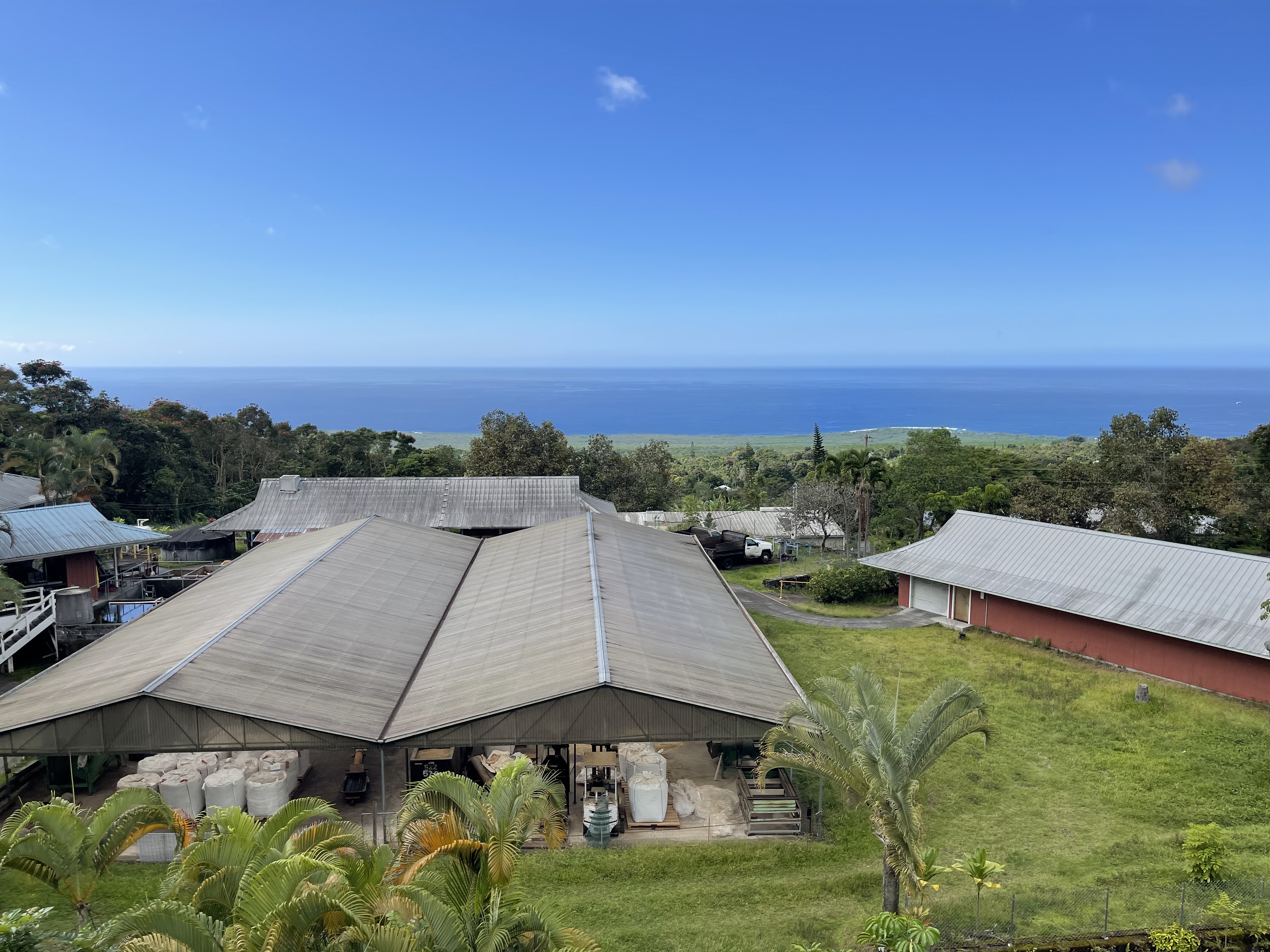
Big Island vs. Kauaʻi: Which Island for a First-Time Visit?
Deciding between the Big Island's volcanic landscapes and Kauaʻi's lush, green paradise for your first visit? We break down the differences in scenery, activities, and vibe to help you choose the right island for your dream trip.
Choosing your first Hawaiian island is an exciting dilemma. Two of the most compelling, yet vastly different, options are Hawaiʻi Island (the Big Island) and Kauaʻi. The Big Island offers a world of dramatic contrasts, from fiery volcanoes to snow-capped peaks, while Kauaʻi is the epitome of a lush, tropical paradise, draped in emerald valleys and cascading waterfalls. This guide will help you decide which island's unique magic is the right fit for your first trip to Hawaiʻi.
There is no single "best" island; there is only the best island for you. Your choice depends on whether you're seeking adventure across diverse landscapes or a deep dive into a verdant, storybook version of Hawaiʻi. Let's compare them side-by-side.
At a Glance: Big Island vs. Kauaʻi
| Feature | Hawaiʻi Island (The Big Island) | Kauaʻi (The Garden Isle) |
|---|---|---|
| Size | 4,028 sq. miles (largest in the chain) | 552 sq. miles (4th largest) |
| Vibe | Adventurous, diverse, expansive, rugged | Lush, romantic, laid-back, intimate |
| Topography | Active volcanoes, lava deserts, rainforests, dry plains, mountains | Dramatic cliffs, deep canyons, lush valleys, rivers |
| Must-Do | Hawaiʻi Volcanoes National Park, Mauna Kea stargazing, Manta Ray night snorkel | Nāpali Coast tour (boat or heli), Waimea Canyon, hiking Kalalau Trail |
| Beaches | Diverse: white, black, and green sand; often rocky | Classic golden sand beaches, ideal for swimming and sunbathing |
| Driving | Essential, with long distances between points of interest | Essential, but distances are much shorter |
Landscape and Scenery: Fire vs. Water
This is the most significant difference between the two islands. Your preference here will likely make the decision for you.
The Big Island: A World of Its Own
The Big Island’s scale is difficult to comprehend until you're here. It’s home to 10 of the world's 14 climate zones, meaning you can drive from a sun-drenched beach to a cool, misty rainforest, and then to a dry, alpine desert all in the same day.
The dominant features are its volcanoes. Mauna Loa and Kīlauea are two of the most active volcanoes on Earth. A visit to Hawaiʻi Volcanoes National Park is non-negotiable. Witnessing steam vents, walking through lava tubes, and seeing the sheer power of the caldera is a humbling, primal experience. The landscape is constantly changing; according to the USGS, eruptions from Kīlauea have added over 875 acres of new land to the island since 1983. The island's landscapes are raw, dramatic, and sometimes stark, with vast fields of black lava rock stretching for miles.
Kauaʻi: The Emerald Isle
Kauaʻi is the oldest of the main Hawaiian islands, and time has weathered its volcanic shield into the lush, dramatic landscapes it's famous for today. It is impossibly green. The nickname "The Garden Isle" is no exaggeration; it's a place of breathtaking beauty, where waterfalls carve paths down emerald cliffs and dense rainforests cover the mountains.
The star of the show is the Nāpali Coast, a 17-mile stretch of coastline with sheer cliffs (pali) rising thousands of feet from the ocean. It's largely inaccessible by car, making a boat or helicopter tour a rite of passage. Then there's Waimea Canyon, dubbed the "Grand Canyon of the Pacific." Its red and green canyon walls create a stunning visual contrast with the rest of the island's deep greens.
Activities and Adventures
Both islands offer incredible outdoor adventures, but with a different flavor.
On the Big Island: Volcanoes, Stars, and Giants
Activity on the Big Island is defined by its unique geology.
- Hawaiʻi Volcanoes National Park: Spend at least one full day here. Hike the Kīlauea Iki trail across a solidified lava lake, drive the Chain of Craters Road down to the sea, and see the glow from Halemaʻumaʻu crater at night (when active).
- Stargazing on Mauna Kea: Drive (with a 4WD) or take a tour to the summit of this dormant volcano, which stands over 13,800 feet above sea level. Above the clouds, it's one of the best places on the planet for astronomy.
- Snorkeling and Diving: The Kona coast is famous for its clear, calm waters. The top experience is a night snorkel or dive with giant manta rays near Kailua-Kona. Snorkeling at Kealakekua Bay (Captain Cook Monument) is also world-class.
- Exploring Climate Zones: Go from the sunny Kohala Coast to the wet, lush Hilo side, and experience the dramatic shift in weather and vegetation.
On Kauaʻi: Canyons, Coasts, and Rivers
Kauaʻi's adventures are all about embracing its lush, water-carved environment.
- See the Nāpali Coast: This is a must. A catamaran tour offers incredible views from the water, often with snorkeling stops and dolphin sightings. A helicopter tour provides a jaw-dropping aerial perspective of the entire island, including areas you can't see any other way.
- Hike in Waimea Canyon State Park: Numerous trails offer stunning overlooks into the canyon. The Canyon Trail to Waipoʻo Falls is a popular choice.
- Kayak the Wailua River: This gentle river is the only navigable river in Hawaiʻi, perfect for a leisurely paddle to a hidden waterfall (Uluwehi Falls, or "Secret Falls").
- Beach Hopping: From the surf-friendly Hanalei Bay on the North Shore to the sunny Poʻipū Beach on the South Shore, Kauaʻi is a beach lover's dream.
Beaches: Diversity vs. Perfection
If your vision of Hawaiʻi is built around long days on a perfect sandy beach, this is a key comparison.
The Big Island has some of the most unique beaches in the world. Its crown jewel is Hāpuna Beach on the Kohala Coast, a long, wide stretch of classic white sand. But the real story is the variety. You can visit Punaluʻu Black Sand Beach, where green sea turtles (honu) often bask on the dark shore, or make the rugged trek to Papakōlea Green Sand Beach, one of only four such beaches in the world. The downside? Many coastlines are lava rock, and while beautiful, they aren't ideal for swimming.
Kauaʻi is the clear winner for classic, postcard-perfect beaches. From the expansive half-moon of Hanalei Bay, framed by mountains, to the family-friendly, sun-drenched sands of Poʻipū Beach, Kauaʻi delivers on the tropical beach fantasy. Tunnels Beach (Makua) offers superb snorkeling right from the shore, and Polihale State Park is a remote, wild, and breathtakingly beautiful stretch of sand. If your top priority is relaxing on soft sand and swimming in turquoise water, Kauaʻi is hard to beat.
Vibe and Logistics: The Feel of the Place
How you want your vacation to feel is just as important as what you do.
The Big Island feels vast and adventurous. Because of its size, a rental car is non-negotiable and you should expect to spend a significant amount of time driving. It’s not uncommon to drive 2-3 hours between major sights. This makes it feel less like a resort vacation and more like a road trip adventure. The island has two distinct sides: the dry, sunny, resort-focused Kona side, and the wet, lush, local-feeling Hilo side. Splitting your stay between the two is highly recommended. Finding the right base, like a central spot from High End Hawaii's luxury vacation rentals, can make exploring this grand island much easier.
Kauaʻi is much more intimate and laid-back. While you still need a rental car, driving distances are far shorter. The island has a single main highway that traces a 'U' shape from the North Shore to the West Side, with the Nāpali Coast being impassable. The vibe is slower, quieter, and more romantic. It's an island that encourages you to unplug and unwind. Development is more restricted, giving it a less commercial feel than Oʻahu or Maui.
Who Should Choose the Big Island?
You should choose the Big Island for your first trip if:
- You are fascinated by geology, volcanoes, and the raw power of nature.
- You love diversity and want to experience multiple climates in one trip.
- You enjoy road trips and don't mind long drives to get to unique destinations.
- You want to go stargazing, see a black sand beach, and swim with manta rays.
- You prioritize unique adventures over classic beach lounging.
Who Should Choose Kauaʻi?
You should choose Kauaʻi for your first trip if:
- You are dreaming of a lush, green, tropical paradise.
- Your ideal vacation involves relaxing on stunning golden sand beaches.
- You're an avid hiker who wants to explore epic coastal trails and canyons.
- You're looking for a romantic, slower-paced, and more relaxing getaway.
- Seeing the Nāpali Coast is at the top of your bucket list.
Ultimately, you can't go wrong. Both the Big Island and Kauaʻi offer unforgettable experiences that capture the spirit of aloha. The Big Island is an explorer's island of epic proportions, while Kauaʻi is a paradise for those looking to immerse themselves in tropical beauty. Choose the one that calls to your spirit, and start planning an incredible first Hawaiian adventure.
Related Reading
- Your Perfect 7-Day Big Island Itinerary: /blog/ultimate-big-island-itinerary
- The Best Beaches on the Big Island: /blog/best-beaches-big-island
- A Guide to Stargazing on Mauna Kea: /blog/mauna-kea-stargazing-guide