A Realistic Guide to Waterfalls You Can Swim in on the Big Island
Few experiences are more magical than swimming in a waterfall pool. While the Big Island's most famous falls are off-limits, a few hidden gems offer this incredible experience if you know where to look.
The dream of swimming in a pristine pool at the base of a thundering waterfall is a powerful part of the allure of Hawaiʻi. While the Big Island is home to some of the most spectacular waterfalls in the state, the reality is that very few of them are safe or legal to swim in. But don't despair—the dream isn't entirely out of reach. It just requires knowing where to go, understanding the risks, and respecting the land.
This guide will walk you through the handful of waterfalls on the Big Island where swimming is possible, separating the accessible options from the expert-only adventures. We'll also cover the essential safety precautions you must take before dipping a toe in any freshwater stream or pool in Hawaiʻi. The an amazing experience awaits those who plan their adventures with both excitement and caution.
Why Most Famous Big Island Waterfalls Are Not for Swimming
First, let's manage expectations. If you're picturing yourself taking a dip at the base of the Big Island's most iconic falls, you'll need to adjust your plans. Waterfalls like the 442-foot ʻAkaka Falls and the easily accessible Rainbow Falls in Hilo are strictly for viewing only.
There are several reasons for this:
- Powerful Currents & Volume: The rivers that feed the Hāmākua Coast's major waterfalls, especially after rain, are tremendously powerful. The force of the water and the undercurrents in the plunge pools below are extremely dangerous. The Wailuku River, home to Rainbow Falls and Boiling Pots, is notorious for its treacherous currents.
- Geological Instability: The areas around waterfalls are prone to rockfall. The same erosion that creates these natural wonders makes the surrounding cliffs unstable.
- Access & Private Property: Many of the island's most beautiful waterfalls are located on private land, deep in valleys with no public access. Respecting private property is paramount, and trespassing can lead to fines and puts a strain on community relations.
- Conservation: These are fragile ecosystems. State and County parks often restrict access to protect the natural environment from overuse.
The Best & Safest Bet: Kulaniapia Falls (Private Access)
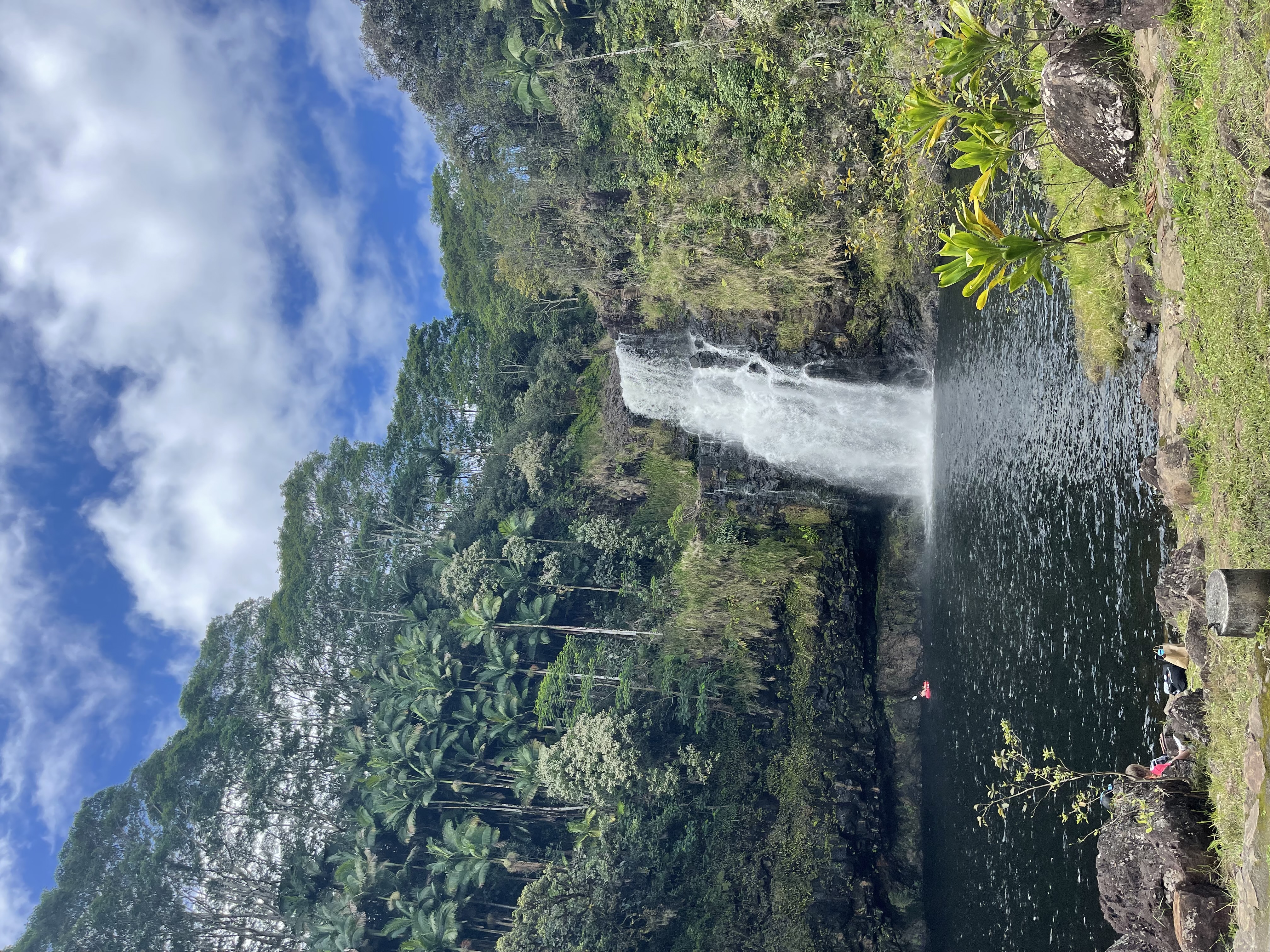
For a safe, reliable, and absolutely stunning waterfall swimming experience, The Inn at Kulaniapia Falls is your premier destination. Located just outside of Hilo, this private 40-acre property is centered around the magnificent 120-foot Kulaniapia Falls, which is the island's largest privately accessible waterfall.
How to Visit
Access to the falls is exclusively for guests of the Inn or for visitors who purchase a day pass. This is not a free, public park. You must book in advance online.
- Overnight Guests: Staying at the Inn gives you unlimited access to the falls and other activities on the property.
- Day Passes: A limited number of day passes are available for purchase. These grants you access for a specific time block and typically include the ability to swim, kayak, and paddleboard in the large pool at the base of the falls.
The Experience
What makes Kulaniapia special is the managed environment. The owners prioritize safety and sustainability. The large, deep pool is perfect for swimming, and the provided kayaks and paddleboards allow you to get right up close to the misty base of the falls. Because access is controlled, it's never overcrowded. The property also features several other smaller waterfalls and trails to explore. If you have your heart set on a waterfall swim, this is the most dependable and magical way to do it.
For the Adventurous & Experienced: Upper Wailuku River & Nānue Falls
Beyond the controlled environment of Kulaniapia, you enter the world of wild, unmanaged waterfalls. These options carry significant risks and are only suitable for experienced hikers and strong swimmers who are comfortable in rugged, natural environments. Conditions can change in an instant, and help can be far away.
Upper Wailuku River (Extreme Caution Advised)
While Wailuku River State Park, encompassing Rainbow Falls and the Boiling Pots section, is strictly for viewing, the river extends for miles into the interior of the island. Far upstream from the dangerous "Boiling Pots" area, there are smaller cascades and pools that locals sometimes frequent.
Finding these spots is not straightforward, and we do not provide explicit directions for safety reasons. The terrain is challenging, with slippery rocks and poorly defined trails. More importantly, the Wailuku River is highly susceptible to flash floods. According to the USGS, which monitors streamflow, water levels can rise several feet in mere minutes following mountain rains, turning a calm stream into a deadly torrent. Never enter any part of this river if the water is brown or murky, or if rain is in the forecast for the windward side.
Nānue Falls
Located along the Hāmākua Coast Heritage Corridor, Nānue Falls is another wild waterfall that adventurous souls seek out. The trail down to the falls from the road is short but very steep, muddy, and often treacherous. Ropes are sometimes in place to assist, but their condition is never guaranteed.
At the bottom, you'll find a beautiful multi-tiered waterfall cascading into a sizeable rock-bottomed pool. When conditions are calm and clear, it can be a beautiful place for a swim. However, like the Wailuku River, this stream is prone to flash flooding. You are a long way from help here, and there is no cell service. This is an at-your-own-risk adventure not recommended for families or casual visitors.
Waterfall Safety: What You MUST Know Before You Go
Swimming in any natural freshwater body in Hawaiʻi carries inherent risks. Understanding them is the first step to staying safe.
Leptospirosis
This is the most talked-about risk. Leptospirosis is a bacterial disease transmitted through the urine of infected animals (like mongoose, rats, and pigs) that gets into the water and soil. The bacteria can enter your body through open cuts or wounds (even ones you don't know you have) or by ingesting contaminated water.
- How to Minimize Risk: The State of Hawaiʻi Department of Health advises against swimming or wading in freshwater if you have open sores or cuts. Avoid submerging your head or swallowing the water. Shower off with clean water as soon as possible after swimming.
- Symptoms: Flu-like symptoms (fever, headache, muscle aches) can develop within 1-2 weeks. If you feel ill after swimming, see a doctor and inform them of your potential exposure.
Flash Floods
This is the most immediate and life-threatening danger. It does not have to be raining where you are for a flash flood to occur. A heavy downpour miles upstream can send a wall of water, mud, and debris down the channel with little warning.
The Golden Rule: If the water suddenly changes from clear to muddy and brown, get out immediately and move to higher ground.
Other Hazards
- Slippery Rocks: The rocks in and around streams and waterfalls are perpetually slick with algae. A fall can easily lead to serious injury. Wear sturdy water shoes with good grip.
- Submerged Objects & Depth: You can't always see what's under the surface. Never dive or jump into pools, as hidden rocks or logs could be just below.
- Rockfall: The cliffs around waterfalls are not stable. Keep a safe distance from the cliff face itself.
Before you go, always check the weather forecast for the entire region, not just the coast. For major rivers like the Wailuku, you can check real-time streamflow data on the USGS website to get a sense of water levels.
At Highendhawaii.com, we believe the best adventures are safe adventures. The raw beauty of the Big Island's waterfalls is a highlight of any trip, and for those willing to do their research, a refreshing swim can be the memory of a lifetime.
Related Reading
- A Guide to the Hāmākua Coast Scenic Drive: /blog/hamakua-coast-scenic-drive
- Essential Big Island Hiking Trails: /blog/big-island-hiking-guide
- Navigating the Beauty and Rules of Waipiʻo Valley: /blog/waipio-valley-guide