A Complete Guide to the Big Island's Rainy Season
Worried about Hawaiʻi's rainy season? The Big Island's weather is a tale of two sides. Learn why winter can be a great time to visit, with sunny days in Kona and dramatic scenery in Hilo.
The phrase "rainy season" can sound ominous, conjuring images of week-long deluges and ruined vacations. But when it comes to the Big Island of Hawaiʻi, the reality is far more nuanced and, frankly, much sunnier than you might think. Thanks to the island's massive volcanoes and diverse microclimates, a rainy day in one town might be a perfect beach day just a short drive away.
So, should you avoid visiting between November and March? Absolutely not. This guide will walk you through the reality of Hawaiʻi's winter weather, explaining the vast differences between the Kona and Hilo sides, and how to plan a fantastic trip no matter the forecast.
When is the Rainy Season in Hawaiʻi?
First, let's set the timeline. The designated "rainy season" in Hawaiʻi generally runs through the winter months, from November to March. This is the opposite of the "dry season," which occurs during the summer, from April to October.
It's crucial to understand what this means in practice. It's not a monsoon season like those in Southeast Asia. Instead, it’s the period when the islands are more likely to experience large-scale frontal systems that can bring widespread, persistent rain. This is in contrast to the more common trade wind pattern, which delivers brief, localized showers primarily to the windward (eastern) slopes of the islands.
During winter, the dominant trade winds can sometimes weaken or reverse, leading to weather systems known as "Kona Lows." These lows draw moisture up from the south and can bring several days of cloudy, cooler, and wet weather to all parts of the island—even the typically arid leeward coasts.
A Tale of Two Sides: Kona vs. Hilo Weather
The single most important factor to understand about the Big Island's weather is its incredible diversity. The island is essentially a continent in miniature, with two 13,000-foot volcanoes, Mauna Kea and Mauna Loa, creating a massive rain shadow. This results in a perpetually wet side and a perpetually dry side.
The Leeward Side: Kona and the Kohala Coast
If your vision of Hawaiʻi involves sun-drenched beaches and snorkeling in calm, blue water, the leeward (west) side of the island is where you want to be. This includes:
- Kailua-Kona
- The South Kohala Coast (Waikoloa, Mauna Lani, Hāpuna Beach)
- South Kona (Captain Cook, Kealakekua Bay)
This entire region sits in the rain shadow of the island's massive volcanoes. The mountains block the moisture-laden trade winds, resulting in a dry, sunny, and warm climate year-round. According to the State of Hawaiʻi Data Book, some areas along the Kohala coast receive as little as 10 inches of rain per year.
During the rainy season, the Kona side does see an increase in precipitation, but it's all relative. You might experience more overcast days or occasional passing showers. A common pattern is clear, sunny mornings followed by clouds building over the mountains in the afternoon, sometimes leading to a brief downpour. All-day rain events are rare and typically associated with those less-frequent Kona Low systems. For most visitors, the weather remains excellent for beach-going and ocean activities.
The Windward Side: Hilo and the Hāmākua Coast
The windward (east) side of the island is a different world entirely. This is where the trade winds first make landfall, dropping their moisture to create the lush, tropical landscape the island is famous for. This includes:
- Hilo
- The Puna District
- The Hāmākua Coast
Hilo is one of the wettest cities in the United States, receiving over 120 inches of rain annually. Here, rain is a daily occurrence, often falling as overnight or early morning showers that give way to partly sunny afternoons.
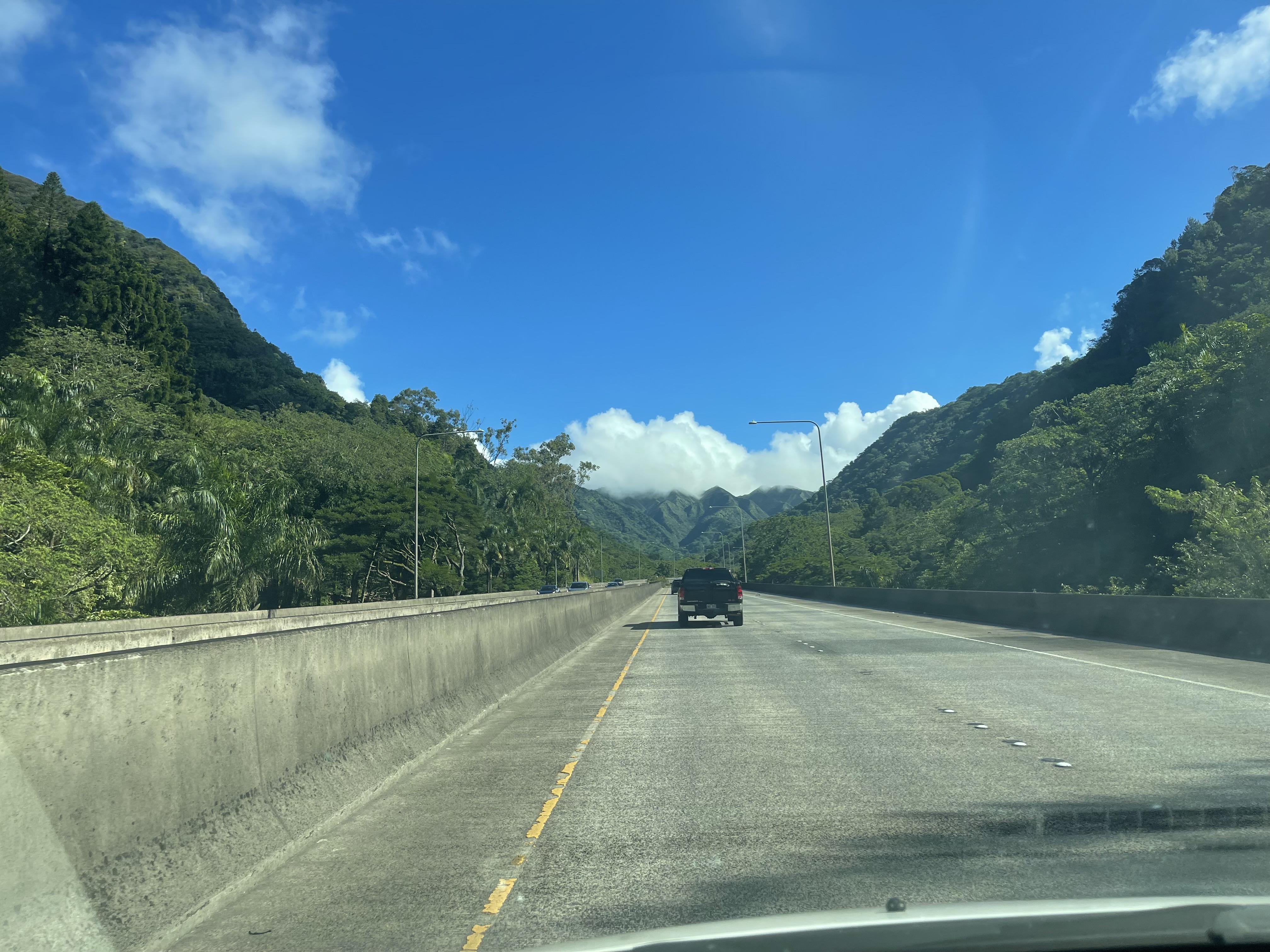
During the rainy season, the Hilo side simply gets wetter. Showers can be more frequent and heavier. However, this is what fuels the region's breathtaking beauty. Waterfalls along the Hāmākua Coast will be at their most powerful, and the rainforests will be exceptionally vibrant and green. Visiting the east side during this time isn't about avoiding the rain; it's about embracing it as part of the experience.
What to Do on a Rainy Day?
Even if you stay on the sunny Kona side, a rainy day can happen. Instead of seeing it as a setback, view it as an opportunity to explore a different side of the island.
- Explore Historic Kailua Village: Stroll through the covered walkways of Kailua-Kona, visiting Huliheʻe Palace or popping into local shops and art galleries.
- Go on a Coffee Tour: South Kona is world-famous for its coffee. Many farms, like Greenwell Farms or Heavenly Hawaiian, offer tours and tastings, most of which have covered areas to escape the rain.
- Visit a Museum: The ʻImiloa Astronomy Center in Hilo is a fantastic, world-class museum perfect for a wet afternoon. In Kona, the Huliheʻe Palace offers a glimpse into the lives of Hawaiian royalty.
- Check on the Volcano: Rain and vog (volcanic fog) can create moody, dramatic scenes at Hawaiʻi Volcanoes National Park. Check the webcam on the USGS website to see conditions at Kīlauea's summit caldera before you go. Sometimes, the rain hitting hot lava flows creates immense plumes of steam. Always check the official National Park Service (NPS) website for any weather-related closures.
- Take a Scenic Drive: The rain makes the Hāmākua Coast even more magical. Drive the scenic route from Hilo to Waipiʻo Valley lookout to see countless waterfalls cascading down lush cliffs.
Packing for the Rainy Season
Smart packing will ensure you're comfortable no matter the weather. While you should still bring your swimsuit and reef-safe sunscreen, add these items to your list for a winter trip:
- A lightweight, breathable rain jacket: A must-have for hikes and exploring the windward side.
- Quick-drying clothes: Synthetics and merino wool are better choices than cotton.
- Sturdy, closed-toe shoes: Trails can get muddy. A pair of hiking shoes or trail runners is wise.
- An extra pair of socks: Nothing is worse than wet socks.
- A light sweater or fleece: Evenings can be cool, especially at higher elevations.
Should You Visit During the Rainy Season?
Yes! For many travelers, the rainy season is an ideal time to visit the Big Island. The winter months (outside of the Christmas and New Year holidays) see fewer crowds and often have more competitive pricing for flights and accommodations. An internal link to planning your Hawaii vacation can provide further context.
The key is to set your expectations and plan accordingly. If your priority is uninterrupted sunshine, book your stay on the Kohala Coast or in Kona. Plan your beach time for the mornings and be flexible with your afternoons. If you embrace the possibility of a few showers, you’ll be rewarded with a beautiful, less-crowded island adventure.