The Perfect Big Island Itinerary: 4 Unforgettable Days
Only have four days on the Big Island? It's a challenge, but not impossible. This fast-paced itinerary focuses on the absolute must-see highlights, from Kona's sunny coast to the dramatic landscapes of Kīlauea volcano.
Four days on Hawaiʻi Island is less a vacation and more a scouting mission. The sheer scale and diversity of the Big Island can overwhelm even week-long itineraries, so a short trip requires strategic planning and a willingness to embrace the drive. This itinerary is designed to give you a taste of the island's incredible variety, focusing on a logical route that minimizes backtracking and maximizes your experience.
We recommend splitting your stay: two nights on the dry, sunny Kona side and two nights on the lush, wild Hilo or Volcano side. This approach turns the long cross-island drive into a scenic part of the adventure rather than a tedious chore. Pack light, rent a reliable car, and get ready for a whirlwind tour of the Island of Hawaiʻi.
Planning Your 4-Day Big Island Trip
A few key decisions will shape your trip before you even pack your bags.
Car Rental is Non-Negotiable
There is no way around it: you must rent a car. Public transportation is sparse and not designed for visitors. Ride-sharing is expensive and unreliable outside of the main Kailua-Kona and Hilo towns. Book your rental car far in advance, especially during peak travel seasons, as they can sell out. A standard sedan is fine for this itinerary; a 4WD vehicle is not necessary unless you plan to visit specific, rugged locations not covered here.
Where to Stay: Split Your Lodging
For a short trip, trying to see both sides of the island from a single home base in Kona or Hilo means spending a huge portion of your precious time in the car. A day trip from Kona to Hawaiʻi Volcanoes National Park is an 8-10 hour commitment of mostly driving. Instead, we strongly recommend:
- Nights 1 & 2: Stay in or near Kailua-Kona or the South Kohala coast.
- Nights 3 & 4: Stay in Hilo or, for a more rustic and atmospheric experience, in Volcano Village, right outside the national park.
This strategy allows you to explore each region more deeply without a daily long-haul drive.
Flights: Kona (KOA) vs. Hilo (ITO)
Most visitors fly into Kona International Airport (KOA) due to the greater number of direct flights from the mainland. Hilo International Airport (ITO) is smaller but incredibly convenient for the east side. For this itinerary, we'll assume you fly in and out of KOA, but if you find a flight out of ITO for your last day, it would save you the final cross-island drive.
Day 1: Arrival in Kona & Coastal Exploration
Welcome to the sunny side of the island! Today is about settling in, shaking off the jet lag, and getting your first taste of the Pacific.
Afternoon: Arrival and Kealakekua Bay
Pick up your rental car at KOA and head south toward your lodging in the Kailua-Kona area. Once you're checked in, grab your swimsuit. We're heading to one of the island's most storied and beautiful bays.
Drive south to Kealakekua Bay. While the famous Captain Cook Monument and its prime snorkeling area are best accessed by boat, you can visit the southern part of the bay at Manini Beach or drive down to the Napoʻopoʻo Pier. The view across the bay is stunning. This is a sacred and historic area, the site where Captain James Cook was killed in 1779.
Alternatively, for easier access and reliable snorkeling, visit Kahaluʻu Beach Park, known as 'Snorkel Beach' for a reason. It's a sheltered cove teeming with fish and often visited by honu (green sea turtles). It's the perfect, low-effort introduction to Hawaiian marine life.
Evening: Kailua-Kona & Manta Rays
Head back into historic Kailua-Kona for the evening. Stroll along Aliʻi Drive, see the Huliheʻe Palace, and grab a casual dinner.
For a truly unforgettable experience, book an evening manta ray snorkel or dive. These tours take you to a spot just off the coast where lights attract plankton, which in turn attract the majestic manta rays. Watching these gentle giants glide and somersault through the water is a core Big Island memory. It's one of the few places in the world where you can have such a reliable and magical encounter. This is one splurge that is absolutely worth it.
Day 2: North Kohala History & The Grand Drive East
Today is a journey through landscapes and climates. You'll start in the dry, lava-strewn coast, climb into the cool, green ranchlands of Waimea, and descend through the rainforests of the Hāmākua Coast to Hilo.
Morning: Heiau and Hawi
Check out of your Kona-side lodging and drive north on Highway 19. Your first stop is the Puʻukoholā Heiau National Historic Site. This massive stone temple was built by King Kamehameha I in the late 1700s and is a powerful, sacred place in Hawaiian history. The short trail offers incredible views and a deep sense of the island's past. The National Park Service (NPS) provides excellent context on its website and at the visitor center.
Continue north on Highway 270 into North Kohala. The landscape becomes greener as you approach the quirky, artistic towns of Hāwī and Kapaʻau. Stop for a coffee or browse the galleries. Don't miss the original King Kamehameha I statue in Kapaʻau.
Afternoon: Waimea to Hāmākua Coast
From Hāwī, backtrack slightly and head inland on Highway 250. This beautiful road cuts through the heart of Paniolo (Hawaiian cowboy) country, with rolling green pastures and stunning views of the coastline. You'll descend into the town of Waimea (also called Kamuela), a hub for ranching with a surprisingly sophisticated food scene.
From Waimea, take Highway 19 east. You are now on the Hāmākua Coast Heritage Corridor, one of the most scenic drives in Hawaiʻi. The road winds past lush valleys, waterfalls, and old plantation towns. Your main stop is ʻAkaka Falls State Park. A paved loop trail takes you through a rainforest environment to view the 100-foot Kahūnā Falls and the spectacular 442-foot ʻAkaka Falls.
Evening: Arrive in Hilo or Volcano Village
Continue south into Hilo. Check into your hotel or rental. Hilo has a charming, old-Hawaiʻi vibe with a beautiful bayfront. Alternatively, continue another 40 minutes to Volcano Village. Staying here positions you perfectly for an early start at the national park tomorrow. Grab dinner and get a good night's rest; tomorrow is a big day.
Day 3: A Day of Fire and Steam
Today is dedicated to Kīlauea, one of the world's most active volcanoes. Hawaiʻi Volcanoes National Park is a UNESCO World Heritage Site, and its landscapes are a powerful reminder of nature's creative and destructive forces.
Morning: Hawaiʻi Volcanoes National Park
Start your day early to beat the crowds and the afternoon rain. Before you go, check the official National Park Service (NPS) website and the USGS Hawaiian Volcano Observatory for the latest on volcanic activity, air quality, and closures. Conditions can change rapidly.
Your first stop should be the Kīlauea Visitor Center for maps and ranger advice. From there, head to the Kīlauea Overlook for your first stunning view of the Halemaʻumaʻu crater.
Must-Do Activities:
- Kīlauea Iki Trail: This 4-mile loop is arguably the best hike in the park. You'll descend through a lush rainforest onto the floor of a solidified lava lake from the 1959 eruption. The contrast is breathtaking.
- Chain of Craters Road: This 19-mile scenic drive descends 3,700 feet to the coast. There are numerous pull-offs with views of past lava flows and pit craters. The road ends where a 2018 lava flow crossed it. Walk out to the Hōlei Sea Arch.
- Thurston Lava Tube (Nāhuku): Walk through a 500-year-old tunnel where a river of lava once flowed.
Afternoon/Evening: Crater Rim and Stargazing
Head back up to the crater rim in the late afternoon. As dusk settles, the glow from the lava lake within Halemaʻumaʻu crater (if an eruption is active) becomes visible. It is a primal, awe-inspiring sight. Find a spot at one of the overlooks (like Uēkahuna or Keanakākoʻi) and watch the sky darken and the crater glow brighter.
After a full day, retreat to Volcano Village or Hilo for a well-earned dinner. You've just walked on land younger than you are and witnessed the birth of new earth.
Day 4: Hilo Charm & The Return Journey
Your final day is about enjoying the unique character of East Hawaiʻi before making the drive back to Kona for your flight home.
Morning: Hilo's Waterfalls and Gardens
Start your morning in Hilo. Visit Rainbow Falls, which is best seen in the morning light when you have the best chance of spotting its namesake rainbow in the mist. Just a bit further up the Wailuku River is Peʻepeʻe Falls and the boiling pots.
Next, explore the Liliʻuokalani Gardens, a beautiful 24-acre Japanese garden on the shore of Hilo Bay. It’s a peaceful place for a walk, with arching bridges, pagodas, and views of Mauna Kea on a clear day. If it's a Wednesday or Saturday, don't miss the bustling Hilo Farmers Market for local fruits, crafts, and a vibrant slice of local life.
Afternoon: Saddle Road to Kona
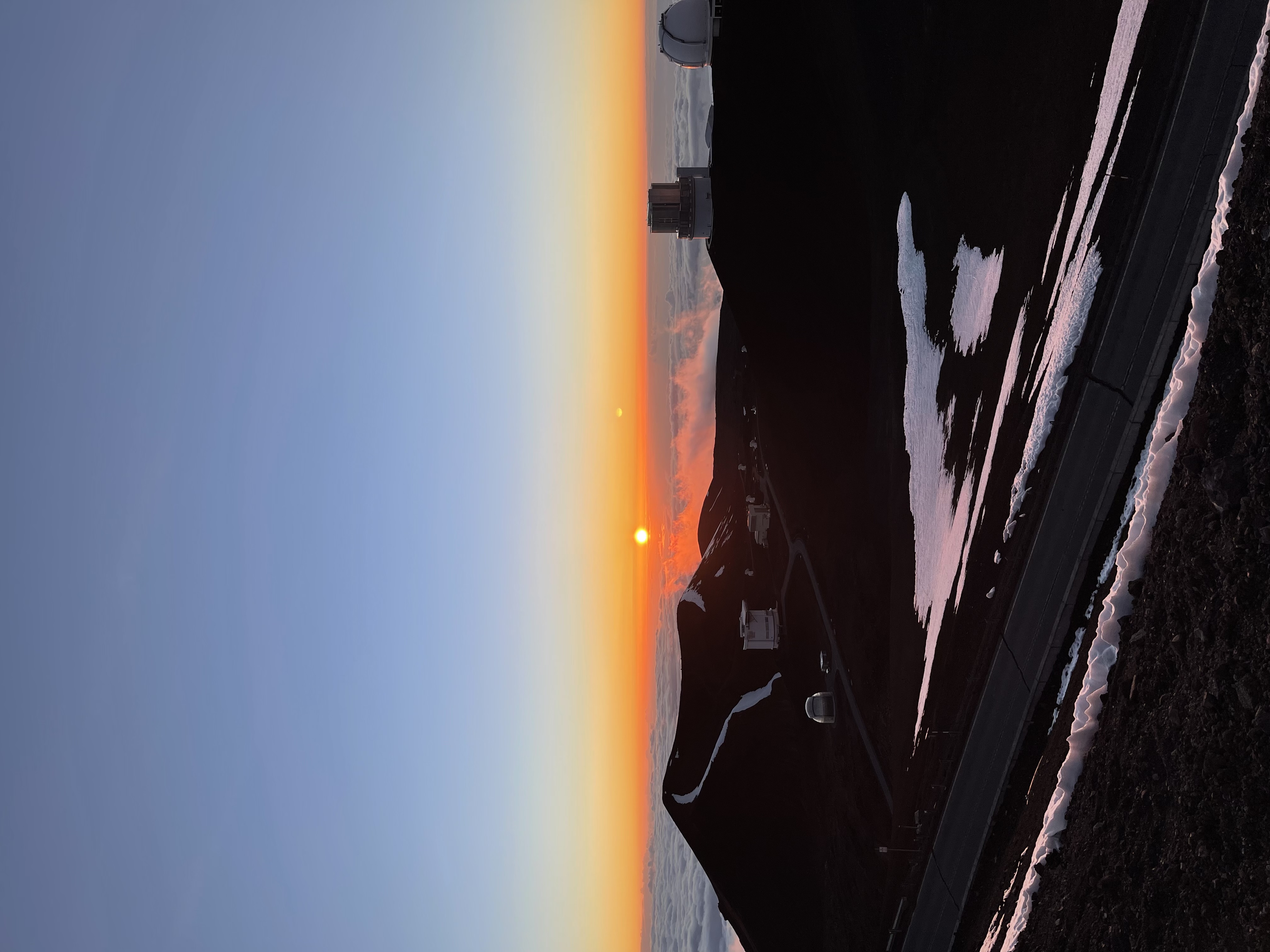
It's time for the final drive. Head back to the Kona side via Highway 200, the Daniel K. Inouye Highway, better known as Saddle Road. This modern highway cuts across the "saddle" between the two largest volcanoes on Earth: Mauna Kea to the north and Mauna Loa to the south. The high-elevation, otherworldly landscape of lava and scrubland is a stark contrast to the coasts. Stop at the Mauna Kea access road turnoff for a photo op, but don't attempt to drive up; you don't have the time or likely the required 4WD vehicle.
The drive takes about 1.5 to 2 hours. Allow plenty of time to get to KOA, return your rental car, and check in for your flight. As you depart, you'll leave with a camera full of photos and a list of all the things you want to come back and see on your next, longer trip to the magnificent Big Island.