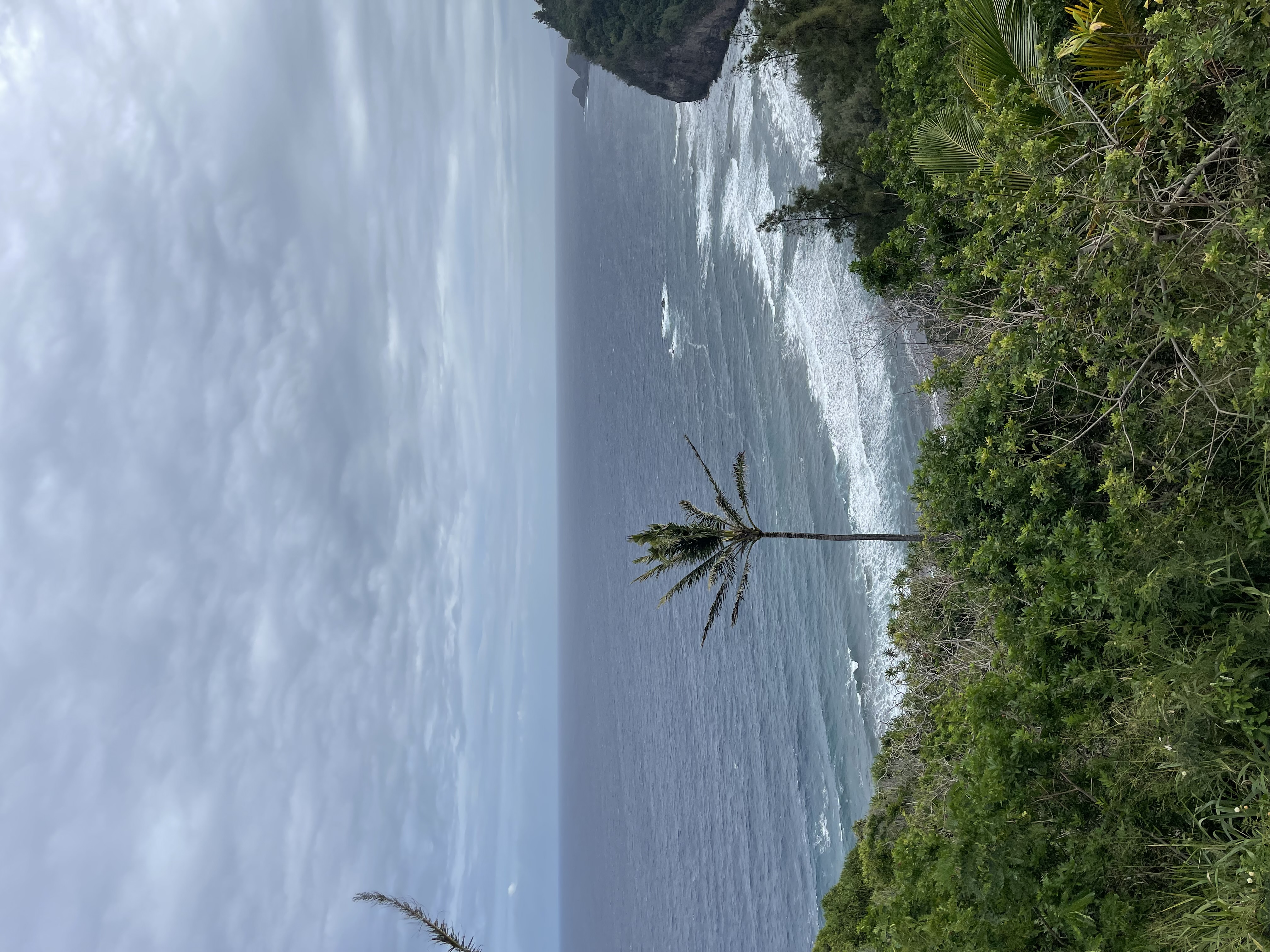
Big Island Weather by Month: A Guide for Your Hawaiʻi Trip
Wondering about the weather for your trip to Hawaiʻi? The Big Island's forecast is a tale of two sides and many microclimates, changing month by month.
Planning a trip to the Big Island of Hawaiʻi brings visions of sun-drenched beaches and swaying palms. While you'll certainly find that, the island's weather is far more complex and fascinating. Home to 8 of the world’s 13 climate zones, your experience can change dramatically just by driving an hour. Understanding the island's seasons and microclimates month by month is the key to a perfectly planned vacation.
This guide breaks down the typical weather patterns across the Big Island, from the sunny shores of Kailua-Kona to the lush landscapes of Hilo and the chilly summits of the great volcanoes. We'll help you know what to expect and how to pack, ensuring you're prepared for anything the island has to offer.
Understanding Hawaiʻi's Two Seasons
Unlike the four distinct seasons of the mainland, Hawaiʻi primarily has two: kau, the warmer, drier summer season, and hoʻoilo, the cooler, rainier winter season.
- Kau (Summer): Typically runs from May to October. This season sees higher temperatures, more consistent sunshine (especially on the leeward side), and generally calmer ocean conditions. It's also technically hurricane season, though direct hits are historically rare.
- Hoʻoilo (Winter): Lasts from November to April. Temperatures are slightly cooler, and this is when the islands receive the majority of their annual rainfall. This is particularly true for the windward (east) sides. Winter also brings large ocean swells, creating the iconic big waves on north-facing shores.
While air temperatures only fluctuate about 8-10°F between seasons at sea level, the changes in rainfall and ocean conditions are significant.
The Power of Big Island Microclimates
Nowhere is the concept of microclimates more pronounced than on the Big Island. The massive volcanoes of Mauna Kea and Mauna Loa block the prevailing trade winds, creating a stark difference between the windward (east) and leeward (west) sides.
-
Leeward Side (Kona & Kohala Coast): This is the dry, sunny side of the island. Areas like Kailua-Kona, Waikoloa, and the Kohala Coast receive very little rainfall year-round. You can almost guarantee sunshine here any day of the year. This is where you'll find most of the island's resorts and famous beaches.
-
Windward Side (Hilo & Hāmākua Coast): This side faces the moisture-laden trade winds, making it lush, green, and wet. Hilo is one of the rainiest cities in the United States. Don't let that deter you; the rain often comes in short, passing showers that keep the rainforests and waterfalls flowing beautifully. Rain is simply a part of the Hilo experience.
-
Kaʻū District (South): This southern region is arid and windswept, home to deserts and dramatic, raw landscapes. It has its own unique, often dry, weather patterns.
-
Saddle Road & Volcanoes: The interior of the island and the high-altitude summits are another world entirely. Temperatures at Hawaiʻi Volcanoes National Park (around 4,000 ft elevation) are often 15-20°F cooler than at the coast. The summits of Mauna Kea and Mauna Loa (nearly 14,000 ft) get cold enough to see snow in the winter.
Because of this diversity, you can often escape the rain on one side of the island by simply driving to the other.
Big Island Weather: A Month-by-Month Breakdown
Here’s a general look at what you can expect throughout the year. Temperatures listed are general sea-level averages, with Kona typically being warmer and drier, and Hilo being slightly cooler and much wetter.
Winter: December, January & February
This is the heart of the hoʻoilo (wet) season. It's also peak season for whale watching, as humpback whales migrate to Hawaiian waters.
- Temperatures: Average daytime highs are 79-82°F (26-28°C).
- Precipitation: This is the rainiest time of year for Hilo and the windward side. Passing showers are frequent. The Kona side remains largely dry, though occasional fronts can bring a day or two of island-wide rain.
- Ocean Conditions: Large swells are common on north-facing shores. This is great for expert surfers but can create dangerous conditions for swimming at beaches like Hāpuna. South-facing shores are typically calm.
- Highlights: Incredible whale watching. Snow often dusts the top of Mauna Kea. Waterfalls are at their most powerful. It's a great time for exploring the dramatic, stormy coastlines.
Spring: March, April & May
Spring is a beautiful shoulder season. The winter rains begin to subside, and the island is incredibly green and vibrant. The visitor crowds from winter also begin to thin out.
- Temperatures: Average daytime highs climb to 80-84°F (27-29°C).
- Precipitation: March can still be quite wet on the windward side, but rainfall lessens significantly through April and May. The leeward side remains sunny as always.
- Ocean Conditions: The large winter swells begin to fade, and ocean conditions generally become calmer and more predictable, making it a great time for snorkeling and diving all around the island.
- Highlights: A fantastic time for hiking as trails are less muddy than in winter but the landscape is still lush. Fewer crowds make it a relaxing time to visit. This is an ideal period for an all-around trip with pleasant weather nearly everywhere.
Summer: June, July & August
Welcome to kau (dry) season. This is the warmest and driest time of year for most of the island and the peak season for family travel.
- Temperatures: Average daytime highs are 85-87°F (29-31°C). It can feel quite humid.
- Precipitation: This is the driest time of year for the entire island. Even Hilo sees a reduction in its daily rainfall. The exception is the Kona district, which can see afternoon showers in its unique "rainy" season, though these are typically brief.
- Ocean Conditions: The ocean is generally at its calmest, especially on north and east shores. This is the best time of year for snorkeling in places that are too rough in winter. This is a topic our experts at Big Island Tours love to discuss.
- Highlights: Perfect beach weather. Ideal for water activities like snorkeling, paddleboarding, and kayaking. Long, sunny days provide ample time for exploration.
Fall: September, October & November
Fall is another wonderful shoulder season. The summer heat lingers, but the crowds depart. It's considered by many locals to be one of the best times of the year.
- Temperatures: Average daytime highs stay warm, around 84-86°F (29-30°C).
- Precipitation: September is often still very dry. Rain begins to creep back into the forecast in October, and by November, the transition to the wet season is well underway on the windward side.
- Ocean Conditions: The ocean remains calm through September and into October. Winter swells may begin to show up on north-facing shores in late October or November.
- Highlights: The Ironman World Championship takes place in Kailua-Kona in October. The weather is still excellent for beach days, but with a more local, laid-back feel. Great deals on flights and accommodation can often be found.
A Note on Hurricane Season
Hurricane season in the Central Pacific officially runs from June 1 through November 30. It's important to be aware of this, but not to let it dominate your planning. According to the National Weather Service, Hawaiʻi is a small target in a very large ocean, and direct hits from hurricanes are very rare. The islands are more often affected by tropical storms or depressions that bring a few days of gusty winds and heavy rain.
If you are traveling during this time, simply stay informed. Monitor alerts from the Central Pacific Hurricane Center and have a flexible itinerary in the unlikely event a storm system approaches.
Packing for the Big Island's Weather
The key to packing for the Big Island is layers.
- Sun Essentials: High SPF reef-safe sunscreen, sunglasses, and a wide-brimmed hat.
- Light Layers: Lightweight shirts, shorts, and dresses for the coastal areas.
- Rain Gear: A lightweight, packable rain jacket is a must, no matter the season. You'll be glad you have it in Hilo or at elevation.
- Warm Layers: A fleece, sweater, or warm jacket, plus long pants, are essential if you plan to visit Hawaiʻi Volcanoes National Park or go stargazing on Mauna Kea. Temperatures can drop into the 30s and 40s (°F) at the visitor center.
- Footwear: Bring sandals/slippers (slippahs), but also a pair of sturdy, closed-toe walking shoes or hiking boots for trails and lava fields.
Related Reading: